Introduction
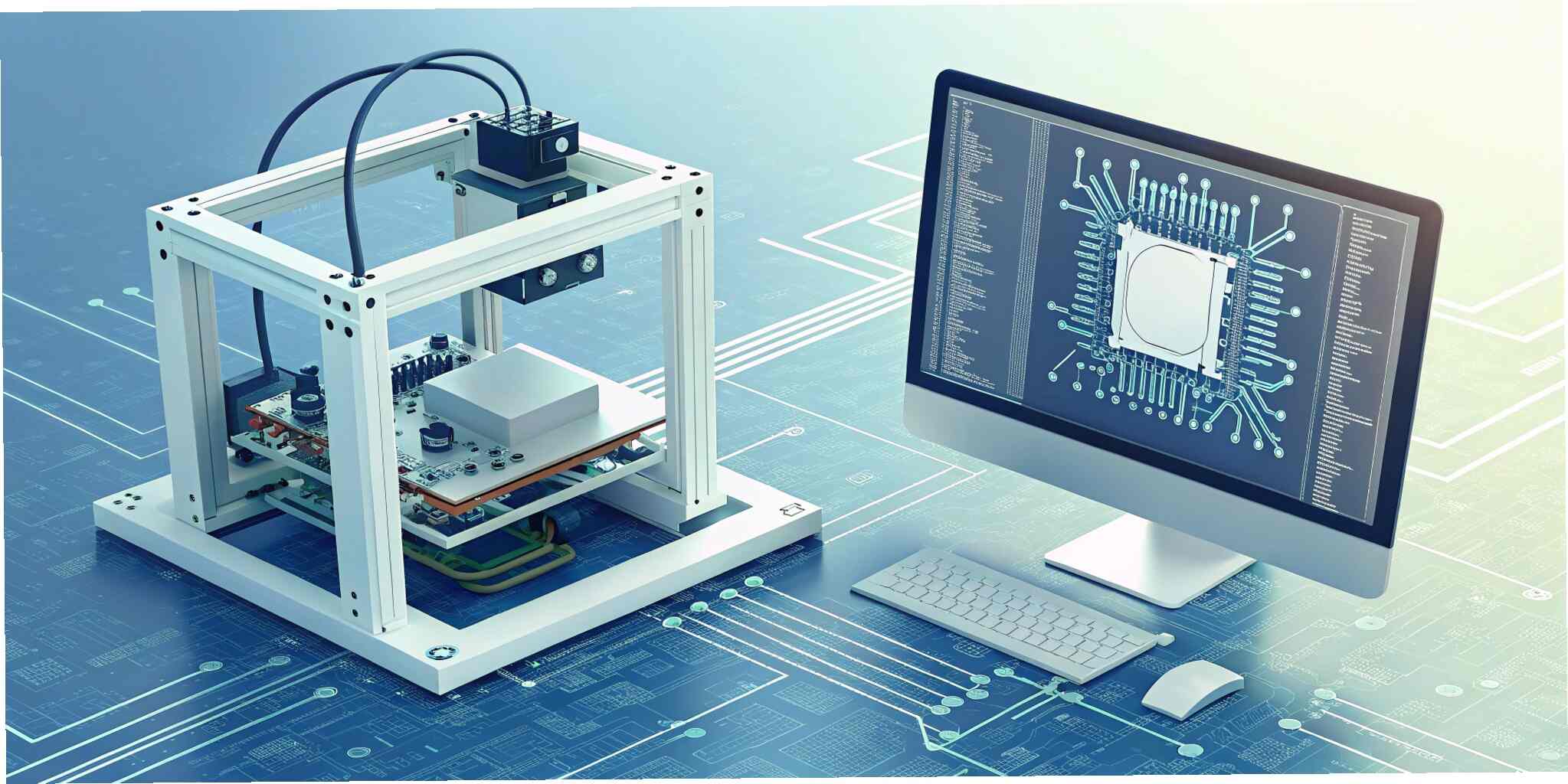
The fusion of 3D printing and Information Technology (IT) is creating a groundbreaking shift across industries. Once seen as separate fields, 3D printing and IT are now converging to create digital workflows, smart manufacturing, and AI-powered design automation. This synergy is setting the stage for a future where ideas can be digitally designed, tested, and physically produced with unprecedented speed and accuracy.
The Role of IT in Advancing 3D Printing
At the core of 3D printing’s evolution lies IT infrastructure. Cloud computing, big data, and AI are enabling smarter design, seamless collaboration, and real-time monitoring of additive manufacturing processes. By integrating IT, 3D printing goes beyond prototyping into large-scale, customized production.
- Cloud Integration: Designers can now share and manage 3D models globally in real-time, reducing collaboration barriers.
- AI in Prototyping: Machine learning algorithms optimize 3D models for durability, cost, and material efficiency.
- IoT-Connected Printers: Real-time data tracking ensures quality control and predictive maintenance.
New Frontiers of 3D Printing in IT
Digital Twin Technology
IT systems are powering digital twins—virtual replicas of physical objects. Engineers can simulate and refine products before printing, saving time and reducing waste.
Blockchain for Secure Design Sharing
Protecting intellectual property is vital in 3D printing. Blockchain provides secure file transfers, authentication, and tracking across global supply chains.
Cloud-Based Manufacturing Platforms
Just as SaaS transformed IT, cloud-driven 3D printing platforms enable “manufacturing as a service,” where businesses outsource production without owning machines.
AI-Powered Predictive Design
Artificial intelligence is redefining CAD workflows. IT systems analyze design flaws, suggest improvements, and predict how printed objects will perform in real-world conditions.
Supply Chain Transformation
Traditional supply chains are being disrupted by on-demand 3D printing. IT systems enable just-in-time production, reducing logistics costs and environmental impact.
Industry Applications
- Healthcare: IT-enabled 3D printing delivers custom prosthetics, dental implants, and even bio-printed organs.
- Aerospace & Automotive: AI-driven simulations allow lightweight yet durable components to be produced with minimal waste.
- Retail & E-commerce: On-demand production reduces inventory management costs while offering product personalization.
- Education & Research: Cloud-based repositories allow students and researchers to access and print innovative designs instantly.
Challenges and Considerations
While the opportunities are immense, challenges persist:
- Data Security: Safeguarding 3D model designs is crucial.
- Scalability: Integrating IT and 3D printing at enterprise scale requires advanced infrastructure.
- Material Limitations: Continuous R&D is needed for stronger, sustainable printing materials.
The Road Ahead
As IT advances in AI, IoT, and blockchain, the future of 3D printing looks limitless. We are moving toward a world where every business, designer, or individual can digitally create and instantly manufacture without traditional constraints.
The convergence of 3D printing and IT isn’t just an innovation—it’s a revolution shaping the next frontier of digital manufacturing.