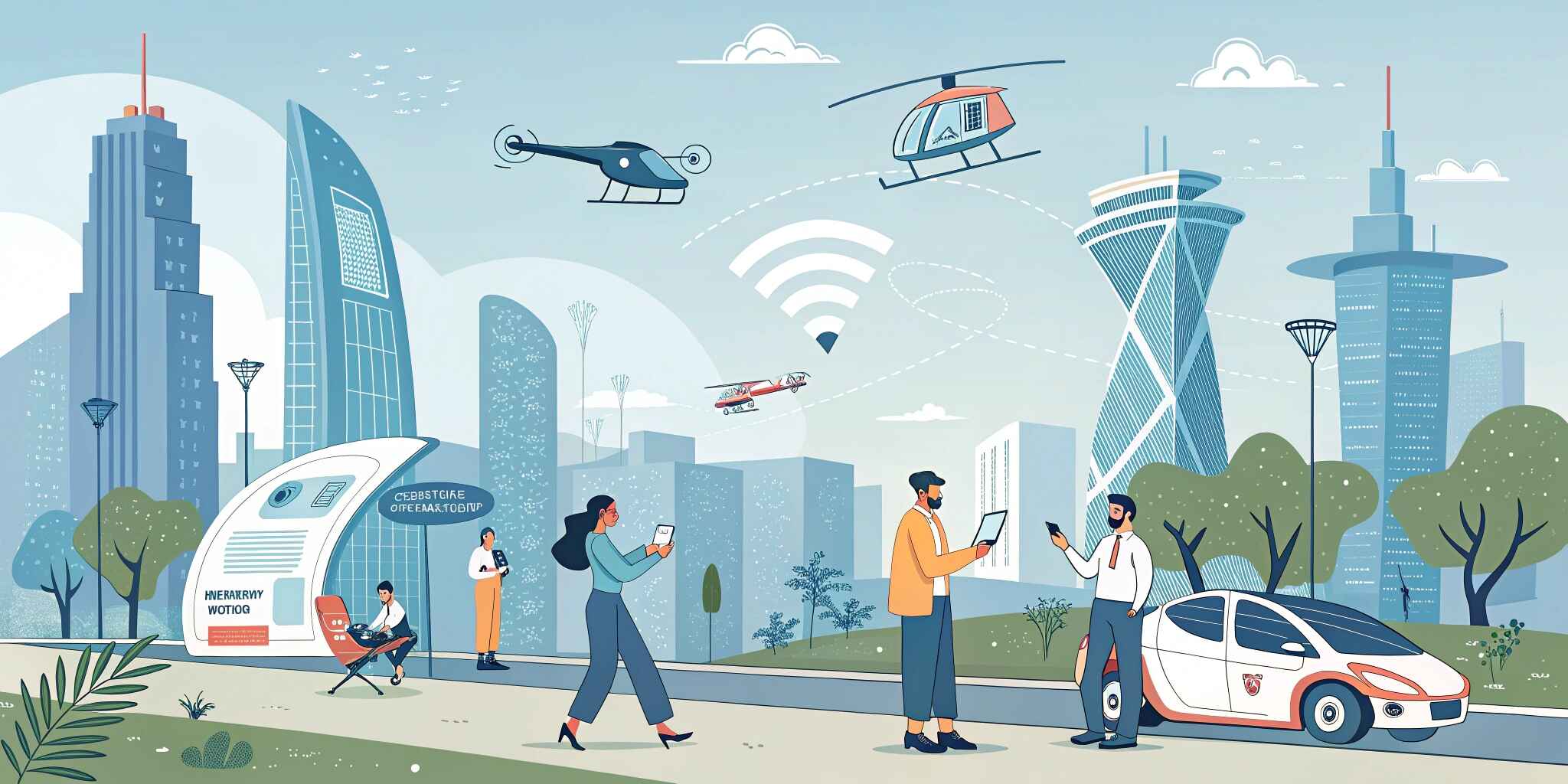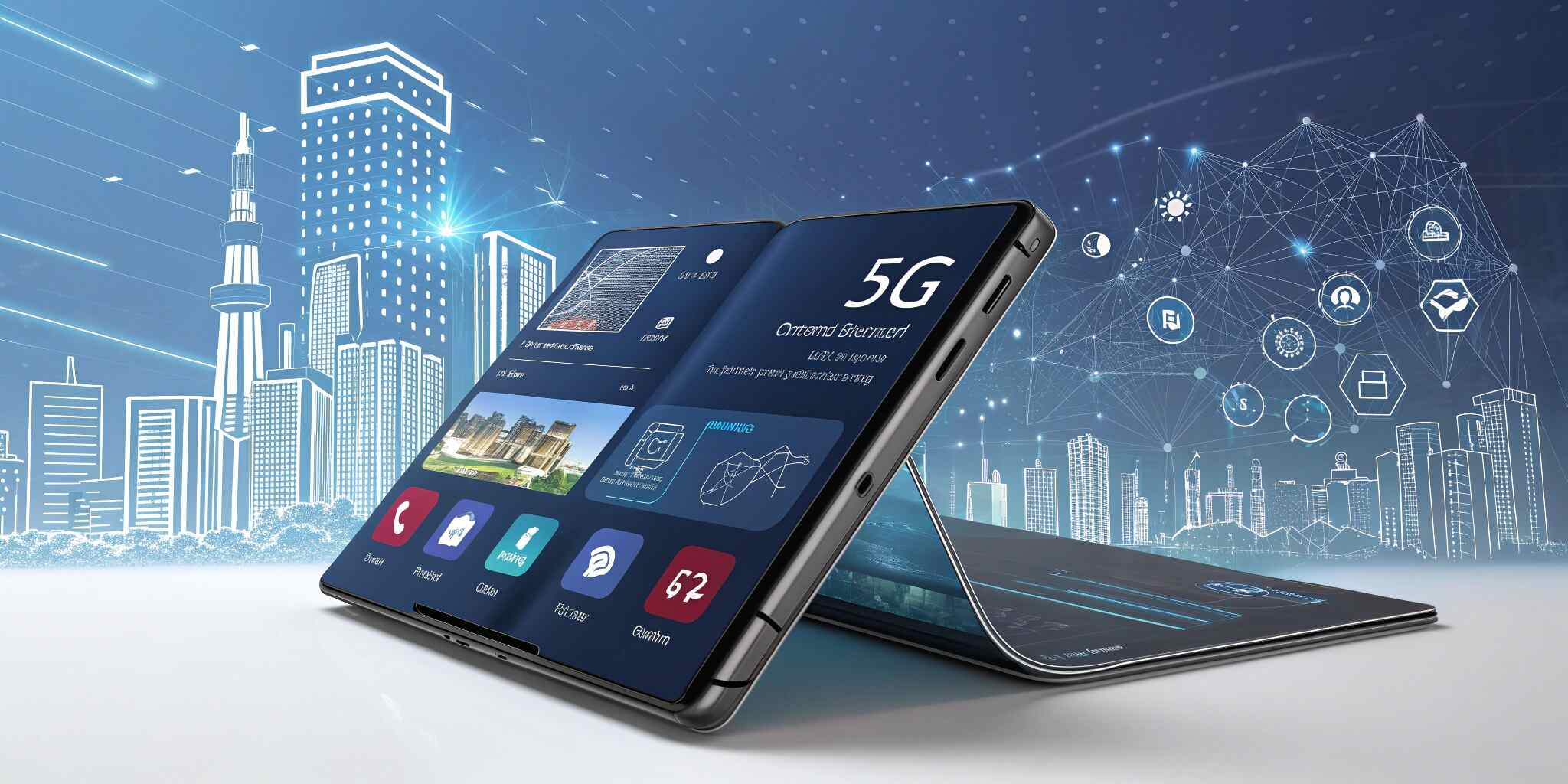
The mobile landscape is undergoing a massive transformation with the advent of 5G technology and the rise of foldable and large-screen devices. Together, they are pushing the boundaries of what smartphones can achieve, creating fresh opportunities for developers and businesses while redefining user expectations.
The Role of 5G in Mobile Innovation
5G networks promise ultra-fast connectivity, low latency, and higher bandwidth compared to 4G. This doesn’t just mean faster downloads — it opens the door for real-time interactions, immersive applications, and high-quality streaming on mobile. For developers, 5G eliminates many limitations that previously constrained mobile app design and performance.
Key benefits of 5G for app development include:
- High-Speed Performance: Seamless streaming of 4K/8K video and cloud gaming.
- Low Latency: Near-instant responses for AR/VR and interactive applications.
- Scalability: Supporting IoT-driven apps and large user bases without lag.
Foldable and Large-Screen Devices: A New Frontier
Smartphones are no longer confined to small screens. Foldable devices from brands like Samsung, Huawei, and Oppo, along with large-screen tablets, have blurred the line between phones and tablets. These devices demand a new approach to mobile app design, as they offer dynamic screen sizes and multitasking capabilities.
Opportunities with foldable/large-screen optimization include:
- Enhanced Multitasking: Supporting split-screen or multi-window use.
- Adaptive Layouts: Designing responsive UIs that transition smoothly between folded and unfolded modes.
- Immersive Media Consumption: Optimizing for larger displays with rich visuals.
- Productivity Apps: Providing desktop-like experiences on portable devices.
Challenges for Developers
While 5G and foldable screens open exciting possibilities, they also bring challenges:
- UI/UX Complexity: Adapting apps to flexible screen sizes and orientations.
- Performance Management: Leveraging 5G speeds without draining device resources.
- Consistency Across Devices: Ensuring compatibility with both traditional and next-gen smartphones.
- Security and Privacy: Safeguarding data in a hyper-connected 5G ecosystem.
Strategies for Optimization
To stay ahead, developers and businesses need to rethink their approach:
- Responsive & Adaptive Design: Create fluid layouts that adjust seamlessly between small, large, and foldable screens.
- Edge-to-Edge Experiences: Utilize larger displays for immersive graphics, video, and multitasking.
- Performance Optimization: Design apps to take full advantage of 5G speeds while minimizing battery and data consumption.
- Testing Across Devices: Rigorously test apps on foldable devices and 5G networks for consistent performance.
- Embrace Progressive Enhancement: Ensure core functionality works on all devices, with advanced features optimized for foldable/5G-enabled devices.
Business Impact
For businesses, embracing these technologies isn’t optional — it’s essential to stay competitive. Enhanced user engagement, longer session durations, and richer experiences translate to higher conversion rates and customer satisfaction. Brands that adapt early will capture the attention of tech-savvy audiences who expect cutting-edge functionality.
Sectors likely to benefit the most include:
- Entertainment & Gaming: Streaming and cloud-based platforms can thrive with 5G and larger displays.
- E-commerce: Interactive product previews and enhanced browsing on larger screens.
- Productivity & Collaboration: Office suites, conferencing apps, and project management tools optimized for multitasking.
- Healthcare & Education: Real-time telemedicine and immersive e-learning powered by high-speed networks.
Looking Ahead
The combination of 5G and foldable/large-screen devices signals a shift toward more dynamic, engaging, and adaptive mobile experiences. Developers who harness these technologies will redefine how users interact with apps — moving from simple tools to immersive ecosystems.
In the coming years, expect more businesses to prioritize cross-device optimization, ensuring seamless transitions between smartphones, foldables, tablets, and even desktops. With 5G as the backbone and foldable devices as the canvas, the mobile future promises endless possibilities.