Introduction
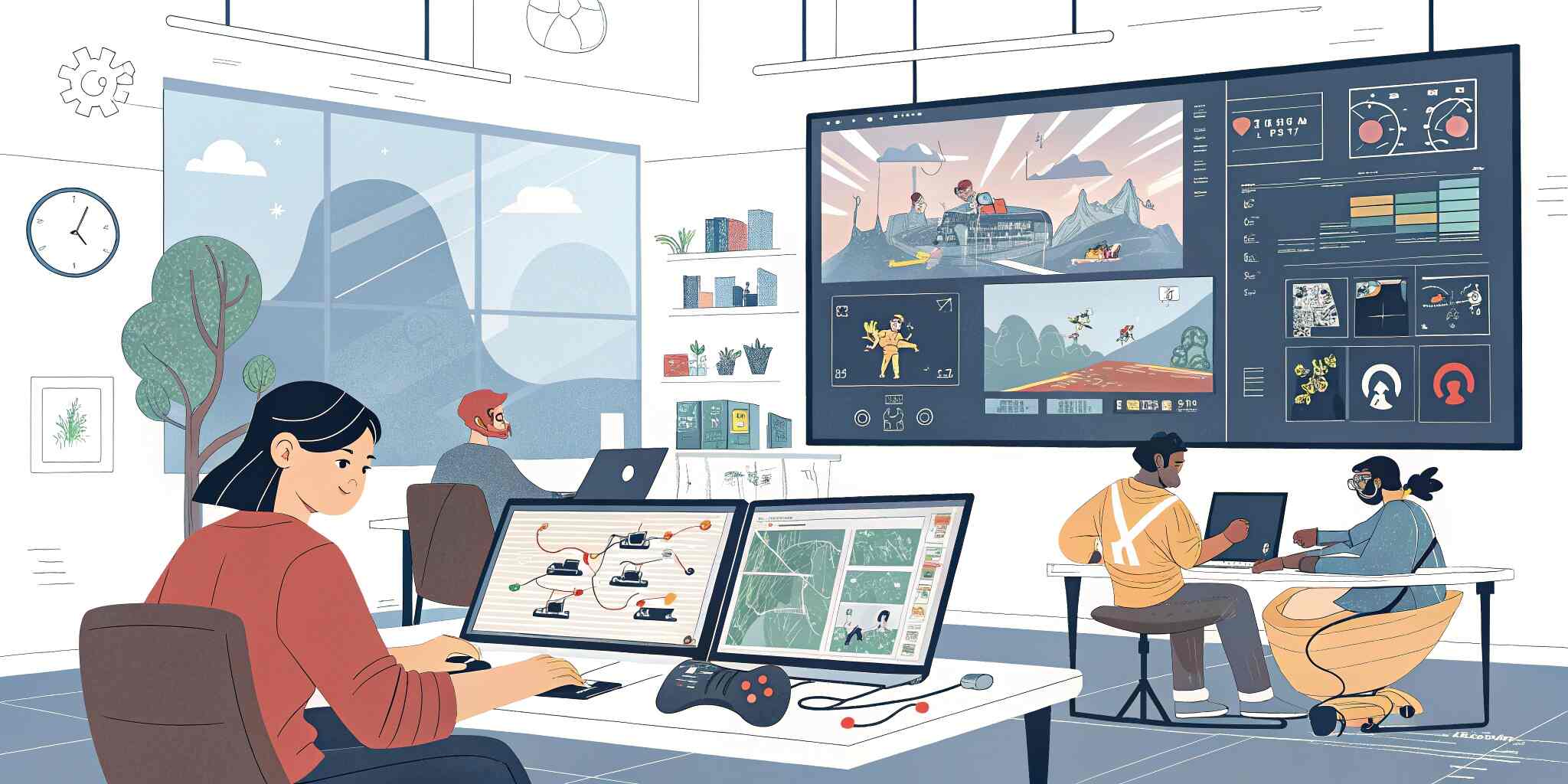
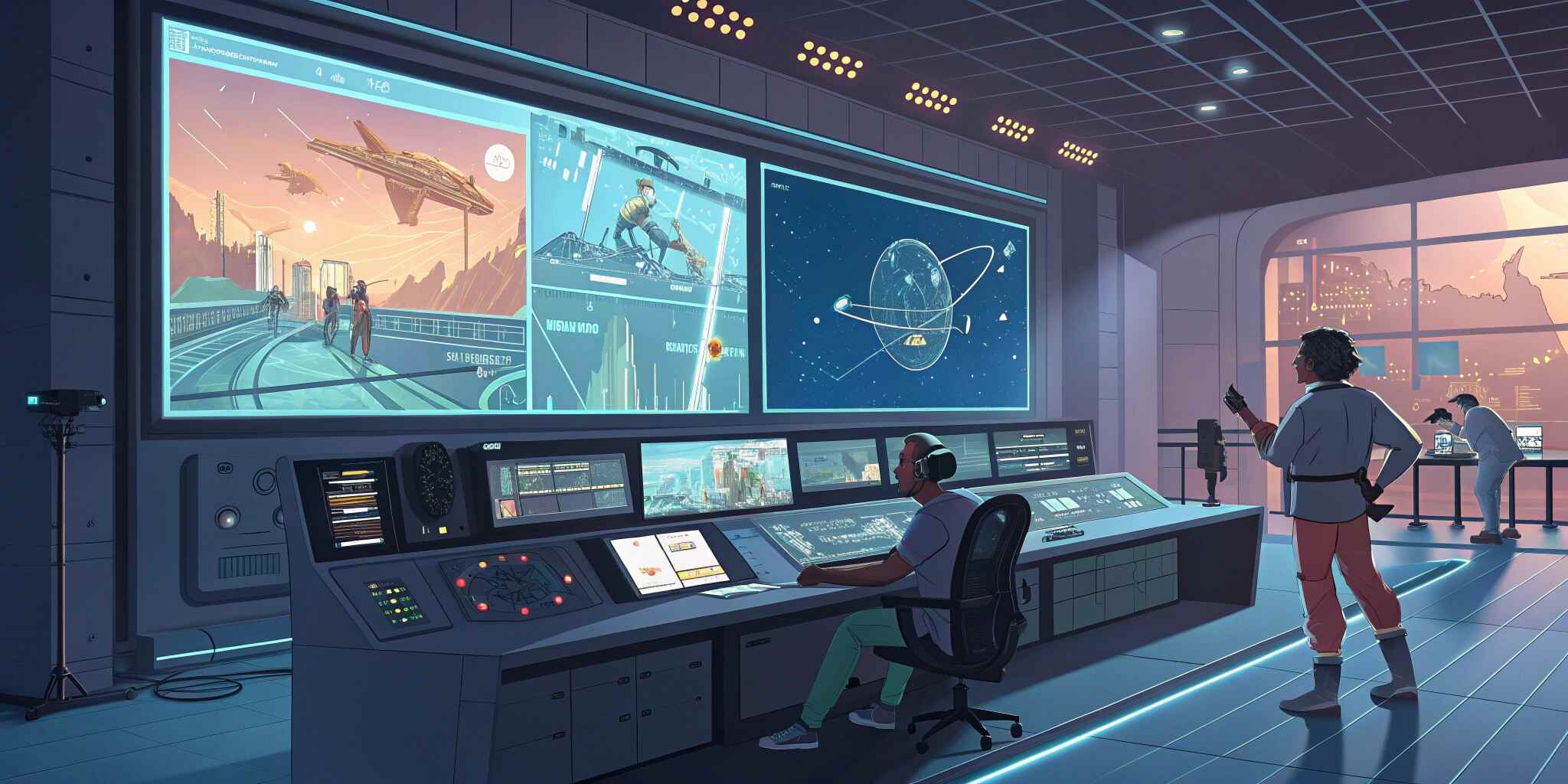
The gaming and digital entertainment industry has evolved significantly over the past decade, and one of the most impactful innovations driving this transformation is the development of advanced animation systems. Modern users no longer expect static or repetitive movements from digital characters. Instead, they demand immersive, realistic, and responsive experiences that make virtual worlds feel alive. Advanced animation systems play a critical role in achieving these expectations by combining artificial intelligence, procedural generation, physics simulation, and real-time rendering technologies.
From highly realistic character movements in AAA games to interactive avatars in virtual reality applications, animation systems have become a core component of modern software development. These systems not only improve visual quality but also enhance gameplay mechanics, storytelling, and user engagement.
What Are Advanced Animation Systems?
Advanced animation systems are frameworks and technologies used to create realistic and dynamic character movements, object interactions, and environmental animations in digital applications. Unlike traditional frame-by-frame animation methods, modern systems use intelligent algorithms and automated processes to generate smoother and more adaptive movements.
These systems often include:
- Procedural animation
- Motion capture integration
- Inverse kinematics (IK)
- Animation blending
- Physics-based movement
- Facial animation systems
- AI-driven behavior animation
- Real-time rendering optimization
By integrating these technologies, developers can create animations that respond naturally to user inputs, environmental changes, and gameplay events.
Importance of Advanced Animation in Game Development
Animation has become much more than visual decoration in modern games. It directly influences gameplay quality, player immersion, and emotional storytelling.
1. Enhanced Realism
Advanced animation systems allow characters to move naturally and interact realistically with their environment. Physics-based animations help simulate body movement, gravity, collisions, and object interaction more accurately.
For example, instead of playing a pre-designed falling animation, a character can dynamically react to the environment based on terrain angle, speed, and obstacles.
2. Better Player Immersion
Smooth transitions between animations improve the player experience. Animation blending ensures characters move seamlessly between running, jumping, attacking, and defensive actions without appearing robotic or disconnected.
This level of responsiveness makes gameplay more immersive and believable.
3. Improved Game Performance
Modern animation systems optimize rendering performance using advanced compression, GPU acceleration, and real-time processing techniques. Developers can create visually rich environments without significantly affecting frame rates.
This is especially important for mobile games, VR applications, and multiplayer online games where performance directly impacts user experience.
Procedural Animation: The Future of Dynamic Motion
Procedural animation is one of the most exciting developments in modern animation technology. Instead of relying entirely on pre-recorded animations, procedural systems generate movement dynamically using mathematical algorithms and physics calculations.
Benefits of Procedural Animation
- Reduced animation production time
- Adaptive character movement
- More realistic environmental interaction
- Lower storage requirements
- Infinite movement variations
Games using procedural animation can create highly realistic walking, climbing, balancing, and combat mechanics.
For instance, if a character walks on uneven terrain, the animation system automatically adjusts foot placement and body posture in real time.
AI-Powered Animation Systems
Artificial Intelligence is now playing a major role in animation technology. AI-driven systems can analyze player behavior, predict movement patterns, and automatically generate responsive animations.
Applications of AI Animation
Intelligent NPC Behavior
Non-playable characters (NPCs) can respond more naturally to players using AI-generated movement systems.
Automated Facial Expressions
AI systems can generate emotional facial expressions based on dialogue, gameplay situations, or voice analysis.
Motion Prediction
Machine learning algorithms help improve animation smoothness by predicting future movement states.
AI animation systems reduce manual work for developers while significantly improving realism and interactivity.
Motion Capture Technology
Motion capture, commonly known as mocap, has become a standard technology in advanced animation systems. It records real human movement and converts it into digital animation data.
This technology is widely used in:
- AAA video games
- Film production
- Virtual reality applications
- Sports simulation games
- Metaverse environments
Motion capture helps developers create highly authentic animations that are difficult to achieve manually.
Combined with AI and procedural systems, mocap data can be enhanced further to create adaptive and context-sensitive animations.
Role of Animation Engines
Modern game engines such as Unity and Unreal Engine provide advanced animation frameworks that simplify animation development.
Unity Animation System
Unity offers:
- Animator Controllers
- Blend Trees
- Timeline System
- Inverse Kinematics Support
- Real-Time Animation Editing
These tools help developers build scalable and responsive animation pipelines.
Unreal Engine Animation Blueprint
Unreal Engine provides powerful visual scripting systems for animations, including:
- Animation Blueprints
- State Machines
- Control Rig Systems
- Full-body IK
- MetaHuman Animation Support
These features are especially useful for high-end game production and cinematic storytelling.
Challenges in Advanced Animation Development
Despite the advantages, implementing advanced animation systems comes with several challenges.
High Development Complexity
Creating realistic animation frameworks requires expertise in:
- Mathematics
- Physics simulation
- AI systems
- Rigging and modeling
- Performance optimization
Resource Requirements
High-quality animation systems can consume significant CPU and GPU resources if not optimized properly.
Integration Difficulties
Combining AI, physics, motion capture, and procedural systems into a single workflow can be technically challenging.
However, with proper planning and optimization strategies, these challenges can be managed effectively.
Future Trends in Animation Systems
The future of animation technology is rapidly evolving with innovations in AI and immersive technologies.
Real-Time AI Animation
AI will increasingly automate animation generation, reducing development costs and improving scalability.
Metaverse and Virtual Reality
Advanced animation systems will become essential for realistic avatars and immersive social experiences.
Cloud-Based Animation Processing
Cloud computing will allow developers to process complex animation tasks remotely, improving accessibility and performance.
Hyper-Realistic Digital Humans
Future animation systems will create digital humans that closely mimic real-world emotions, body language, and speech patterns.
Conclusion
Advanced animation systems are redefining how digital experiences are created across gaming, virtual reality, mobile applications, and interactive media. Technologies such as procedural animation, motion capture, AI-driven movement systems, and real-time rendering are enabling developers to build more immersive, realistic, and engaging experiences than ever before.
As the gaming and technology industries continue to evolve, advanced animation will remain a critical factor in delivering next-generation user experiences. Businesses and developers who invest in modern animation technologies today will be better positioned to create innovative products that capture user attention and stand out in a competitive digital market.
The future of animation is intelligent, dynamic, and deeply interactive — and it is only getting started.