Enterprises across the world are experiencing a major shift from traditional software automation to autonomous AI-driven operations. While conventional automation follows predefined rules and limited capabilities, the new generation of AI agents can learn, analyze, adapt, and independently execute tasks without continuous human input. These autonomous systems are redefining productivity and enabling businesses to operate faster, smarter, and more efficiently in a rapidly evolving digital environment.
AI agents are intelligent software entities capable of perceiving data, making decisions, interacting with systems, and taking autonomous actions to achieve goals. Unlike static automation, AI agents can collaborate, improve performance over time through reinforcement learning, and operate in complex environments where unpredictability and decision variability require dynamic reasoning. This is especially crucial for enterprise-scale operations where real-time insights and automation are becoming essential to stay competitive.
Why Autonomous Enterprise Operations Matter
Modern enterprises face increasing complexities — distributed workforce, global supply chains, massive data growth, and high customer expectations. Traditional workflow automation tools struggle with scalability and adaptability. Autonomous AI-driven systems address these limitations by offering:
- Real-time decision intelligence optimized for changing conditions
- Self-learning capabilities without constant manual configuration
- End-to-end workflow coordination and intelligent orchestration
- Predictive responses instead of reactive process handling
- Enhanced operational visibility and risk reduction
Through AI agents, enterprises can transition from task automation to complete operational autonomy, enabling continuous improvement and faster decision cycles.
Key Use Cases of AI Agents in Enterprises
AI agents are already being implemented in mission-critical functions across industries. Some prominent applications include:
- Autonomous IT Operations (AIOps) – AI-driven anomaly detection, automated incident resolution, monitoring, and predictive optimization of cloud resources.
- Supply Chain Automation – Smart routing, demand forecasting, real-time inventory management, and autonomous logistics coordination.
- Customer Service & Support – AI agents functioning as self-learning virtual assistants and resolving complex issues without human support.
- Financial Operations (FinOps) – Automated auditing, spend management, fraud prevention, and real-time forecasting.
- Human Resource Automation – Autonomous candidate screening, employee lifecycle management, and predictive workforce analytics.
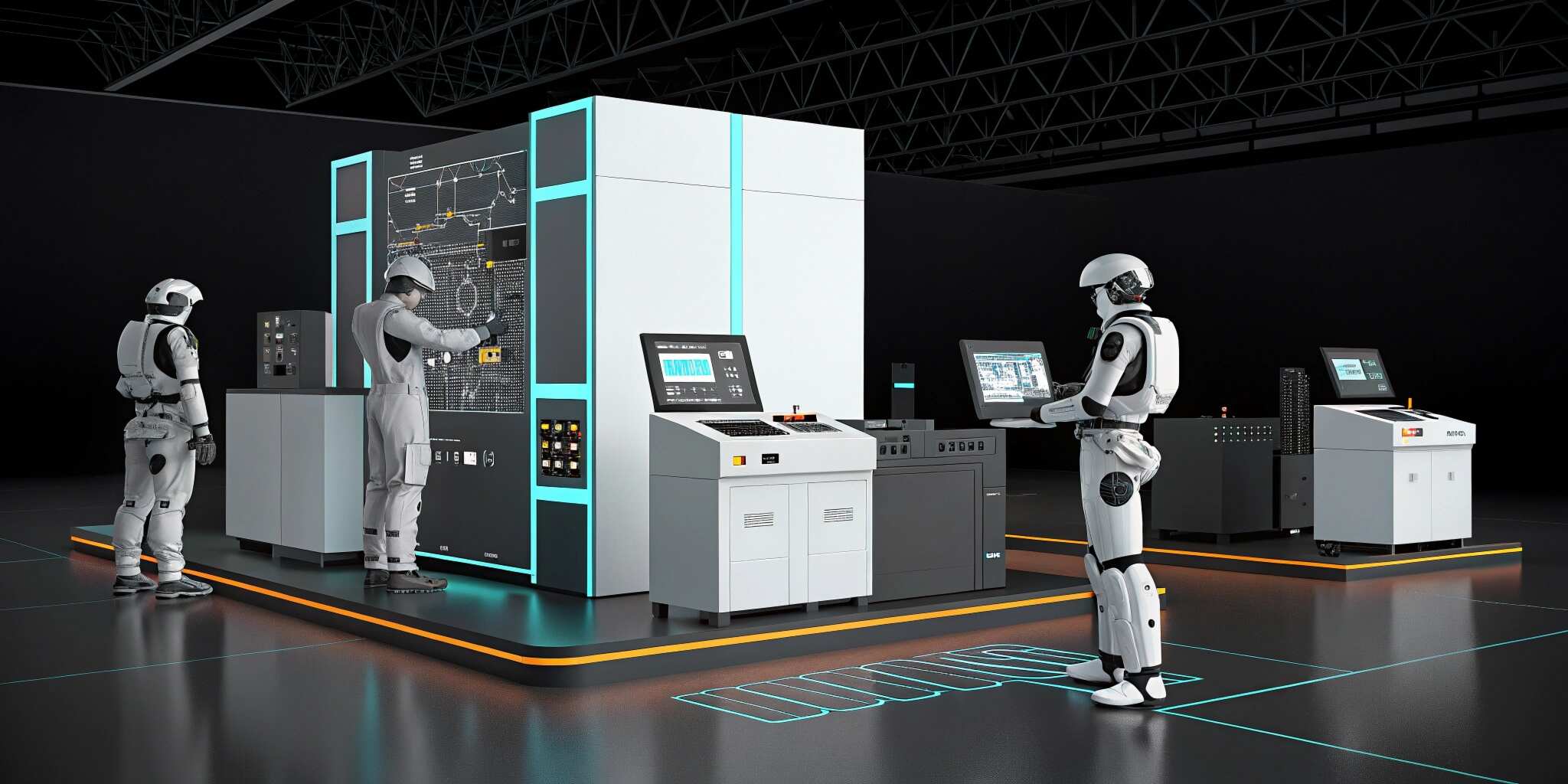
- Manufacturing & Industry 4.0 – Autonomous production lines, real-time quality control, and maintenance optimization using predictive AI.
These applications demonstrate how AI agents create intelligent ecosystems with minimal manual involvement.
Architecture of Autonomous Enterprise Systems
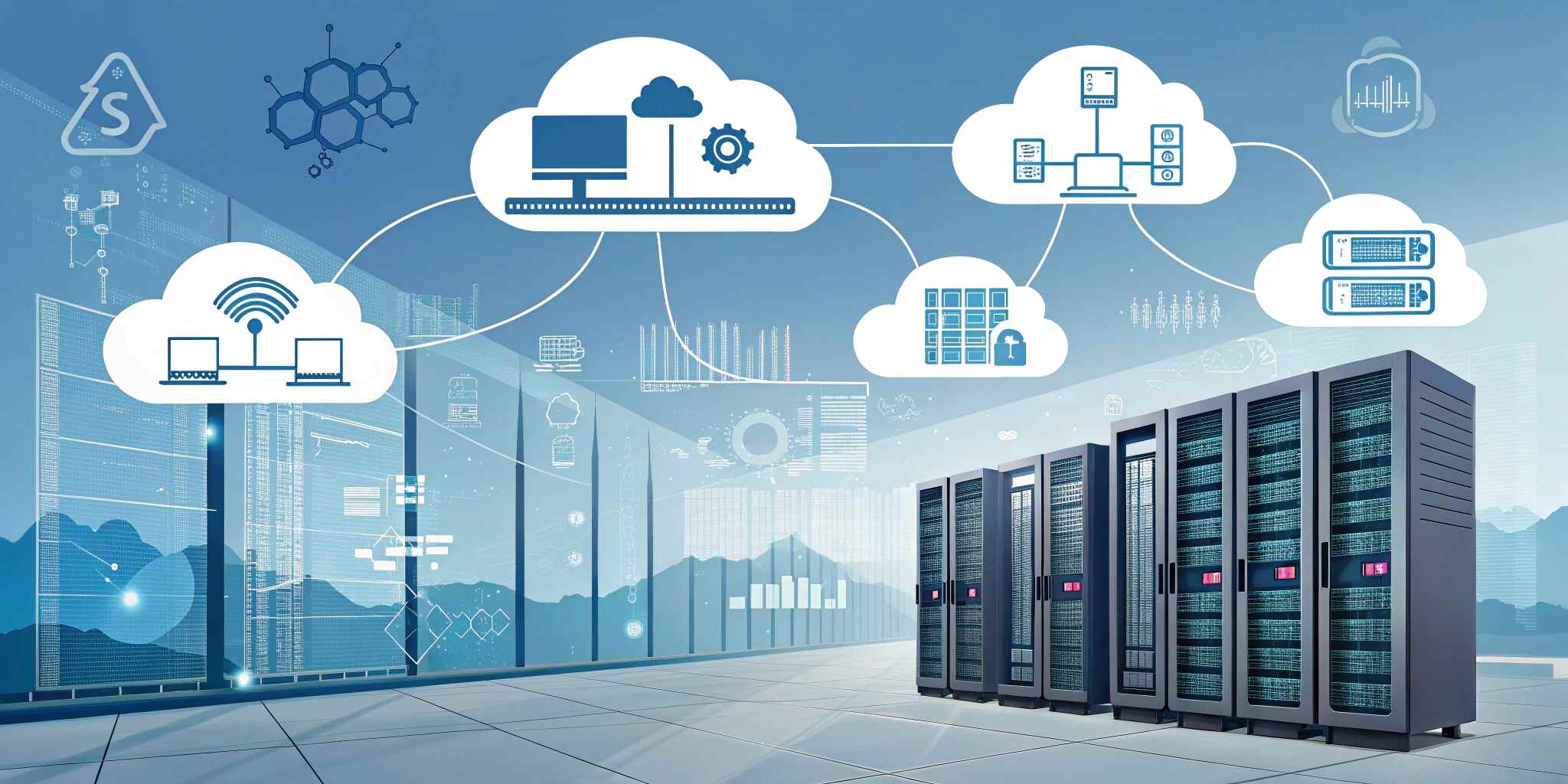
A typical autonomous AI-driven enterprise consists of four essential layers:
- Data & Integration Layer – Real-time access to structured and unstructured data across systems
- AI & ML Models Layer – Predictive analytics, generative AI, and decision intelligence engines
- Autonomous Agents Layer – Self-governing units that execute tasks and collaborate
- Execution & Experience Layer – Automated actions, workflows, APIs, and user interactions
This layered architecture allows AI agents to continuously monitor operations, evaluate alternatives, and execute decisions based on predefined goals and constraints.
Challenges & Barriers to Adoption
Despite the strong advantages, enterprises face certain challenges:
- Need for high-quality integrated data
- Security, privacy, and compliance concerns
- Organizational resistance to autonomous decision-making
- Skill gaps in AI engineering and automation strategy
- High complexity in legacy infrastructure modernization
Successful adoption requires governance frameworks, human oversight, and change management strategies.
Future Outlook: Toward Fully Autonomous Organizations
By 2030, experts predict that enterprises will evolve into self-running digital organizations where 60–70% of operations are handled by AI-driven autonomous agents. Business roles will shift toward strategic decision-making and innovation, supported by AI-led analytics. This shift will accelerate the evolution of smart factories, self-operating customer service centers, autonomous logistics, and intelligent enterprise resource planning.
Ultimately, autonomous enterprise operations represent the next frontier of digital transformation, where businesses achieve unprecedented levels of efficiency, resilience, and innovation.