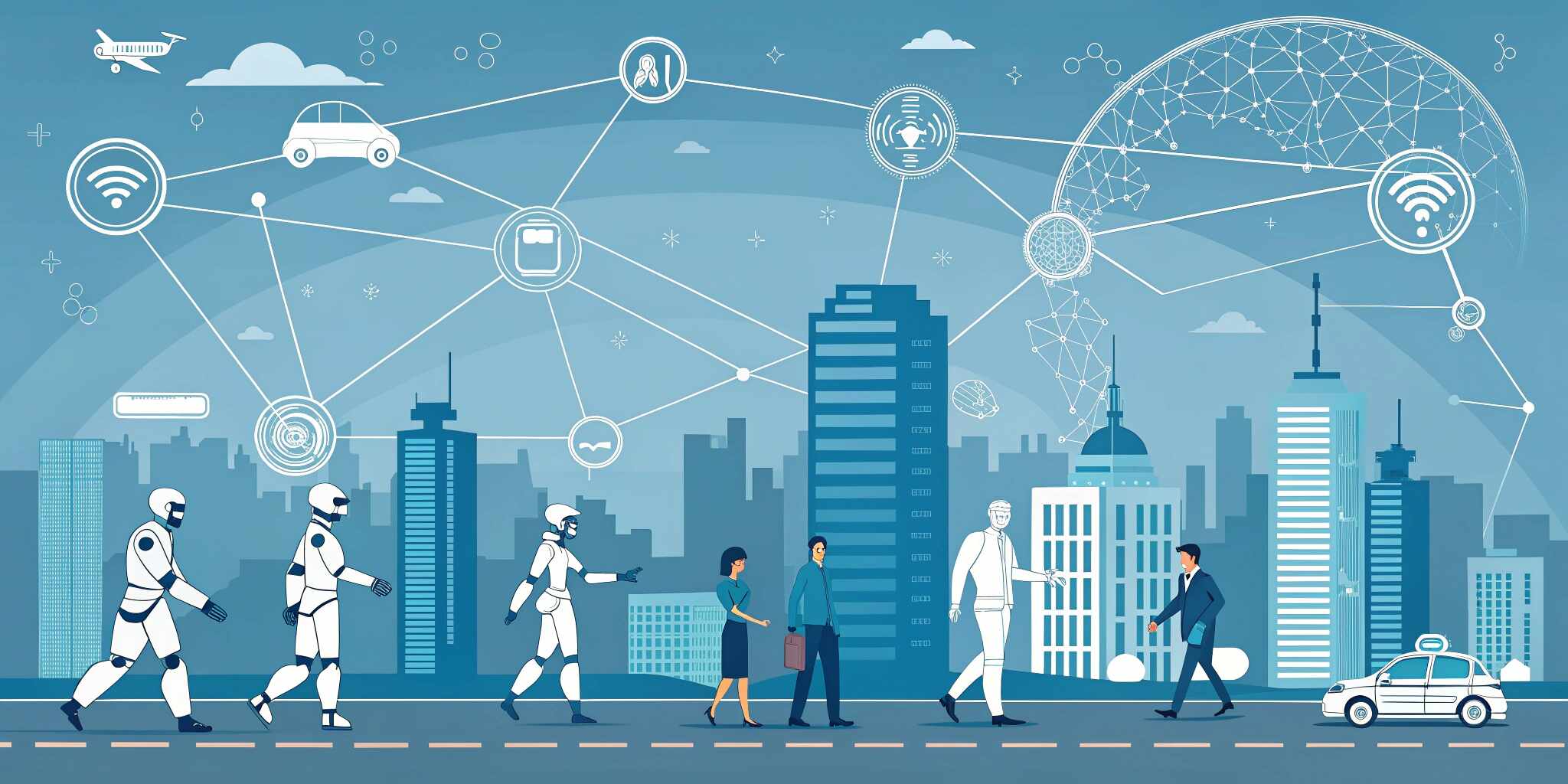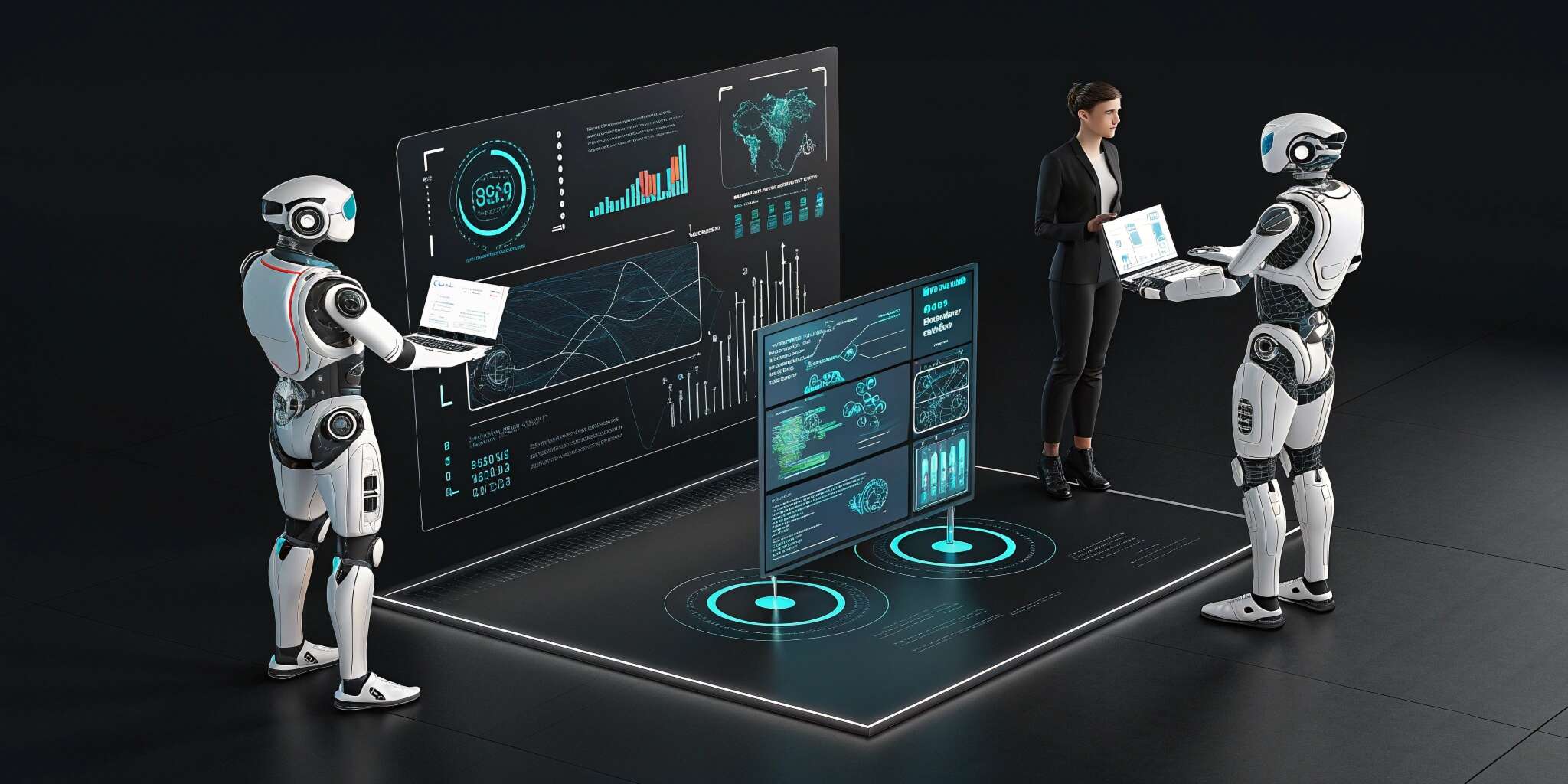
Artificial Intelligence is rapidly transforming enterprise operations, marking the beginning of a new era where businesses can function autonomously without constant human intervention. AI agents—intelligent software entities capable of understanding goals, analyzing real-time data, learning from outcomes, and independently executing tasks—are reshaping how organizations operate and compete. Autonomous enterprise operations represent a revolutionary shift from traditional resource-heavy business environments to self-optimizing systems driven by AI intelligence, automation, and predictive insights.
AI agents are designed to perform tasks that require decision-making, problem solving, and strategic thinking, eliminating the need for manual oversight. These agents communicate across systems, analyze structured and unstructured data, make recommendations, initiate actions, and collaborate with humans or other AI systems. Unlike conventional automation tools that follow predefined rules, AI agents adapt continuously, learn from experience, and modify workflows dynamically as business conditions change. This makes them essential for building smart enterprises capable of responding to real-time challenges without delays.
One of the most powerful capabilities of AI agents in enterprise operations is workflow automation. Intelligent agents manage end-to-end processes such as customer service responses, supply chain tracking, order management, predictive planning, compliance monitoring, and financial reconciliation. They can automatically route information, assign tasks, approve decisions, detect anomalies, and escalate issues when required.
By removing repetitive manual tasks, AI agents free employees to focus on strategy, creativity, and innovation.
AI agents also play an important role in data-driven decision-making. With real-time analytics and machine learning models, agents analyze complex datasets at high speed, predict outcomes, and recommend optimal actions for business growth. Autonomous decision engines support forecasting, resource allocation, demand planning, and performance optimization, enabling executives to make faster and more confident decisions. In industries like logistics, healthcare, finance, retail, and manufacturing, AI-powered operations lead to massive efficiency gains and cost reductions.
Autonomous enterprise operations extend further into AI-enhanced customer experience. AI agents in customer service, powered by natural language processing, provide real-time query resolution, personalized recommendations, and intelligent support across platforms such as chat, email, voice, and social channels. They analyze customer sentiment, identify service issues proactively, and deliver hyper-personalized experiences that build stronger loyalty. With generative AI, enterprise agents can draft reports, responses, presentations, or knowledge summaries automatically.
In supply chain and operations management, AI agents synchronize production, logistics, and procurement activities based on changing demand patterns, seasonal fluctuations, or external disruptions. Agents coordinate vendor communication, track shipments, optimize warehouse planning, and reduce operational risks. Autonomous monitoring systems equipped with anomaly detection identify potential failures before they escalate, enabling predictive action rather than reactive troubleshooting.
Security and compliance are critical areas where AI agents provide substantial advantages. Autonomous systems constantly monitor threats, detect security breaches, track system behavior, and automatically execute defensive responses. In financial governance and regulatory environments, AI agents continuously validate compliance rules, analyze audit trails, and generate real-time alerts, reducing risk and improving transparency.
The future of AI agents in enterprise operations moves toward fully autonomous business ecosystems—organizations that operate with minimal human management. These future-ready companies will be capable of running smart processes independently, enabling proactive adaptation to market changes, competition, and technological advancements. With emerging innovations like federated AI, edge computing, and quantum-powered agents, enterprises will soon operate in real-time with unprecedented intelligence and speed.
However, adopting AI agents requires thoughtful planning, including data readiness, ethical frameworks, cybersecurity protection, and employee training. Successful transformation demands a hybrid model where humans and AI collaborate, combining emotional intelligence and machine precision. Rather than replacing the workforce, autonomous enterprise operations augment human capabilities and accelerate innovation.
In conclusion, AI agents are revolutionizing enterprise operations by enabling self-managing, intelligent, and highly scalable business environments. Organizations that adopt AI-driven autonomous systems will gain competitive advantage, improve efficiency, reduce costs, and unlock new levels of productivity and innovation. The future belongs to enterprises that leverage AI agents to transition from manual workflows to intelligent autonomous operations—shaping the next generation of digital transformation.