Main Content
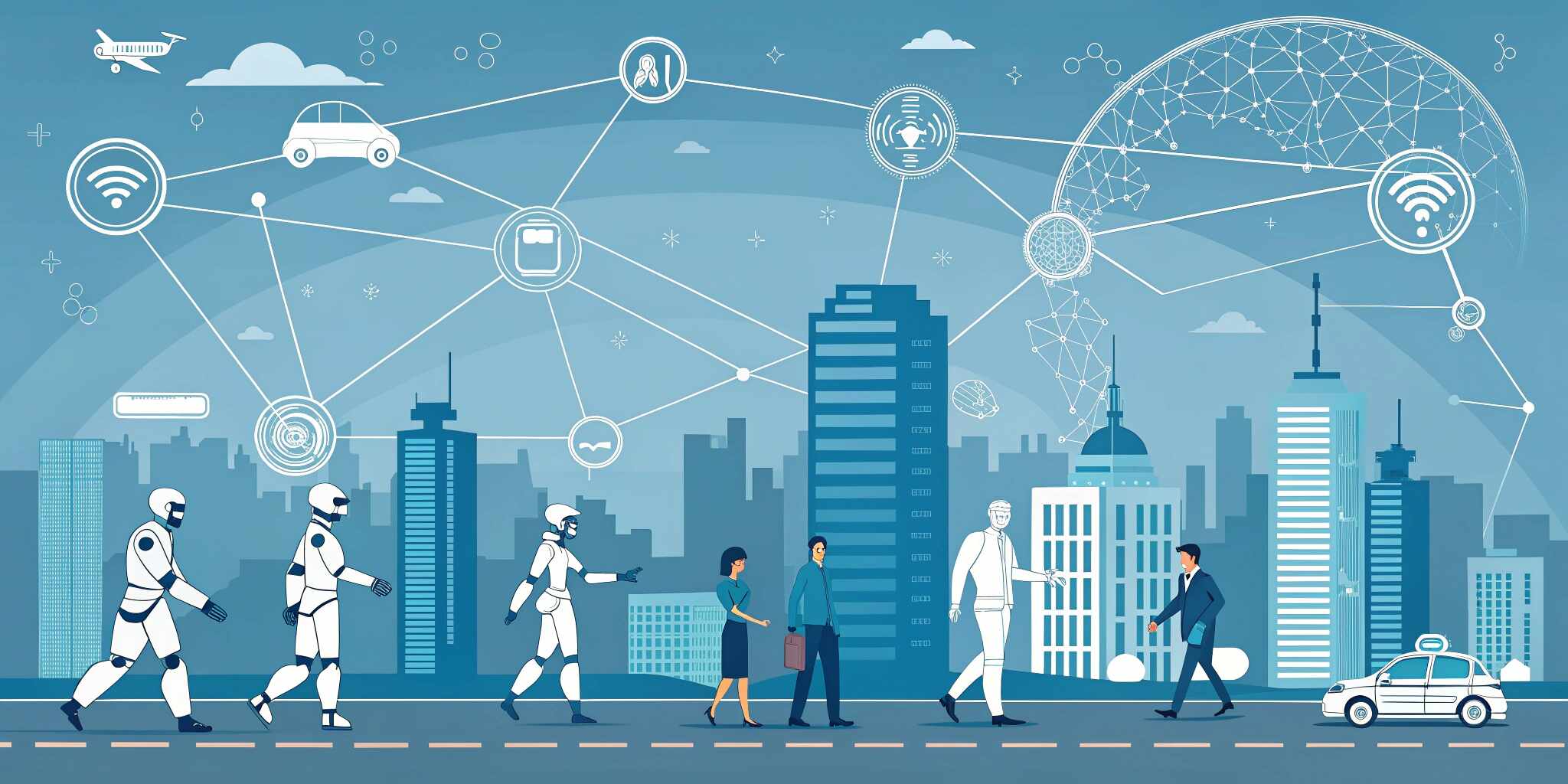
The rapid evolution of artificial intelligence has introduced a new generation of digital entities—AI Avatars, Digital Humans, and Virtual Influencers. These innovations are blurring the line between real and virtual identities, enabling brands and businesses to engage audiences in more immersive, personalized, and scalable ways.
What Are AI Avatars and Digital Humans?
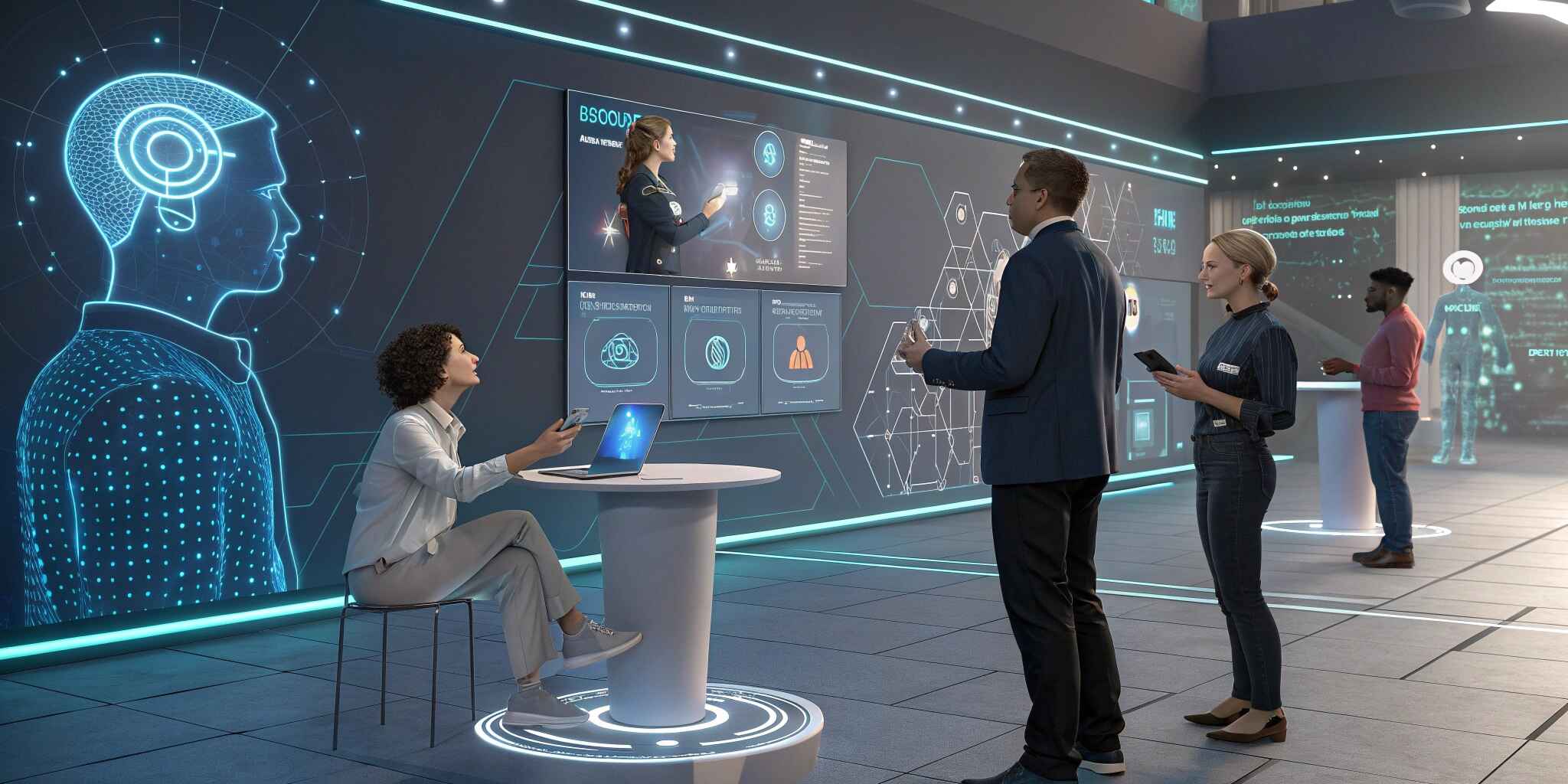
AI avatars are computer-generated characters powered by artificial intelligence, capable of mimicking human speech, emotions, facial expressions, and behaviors. When these avatars reach a high level of realism and autonomy, they are often referred to as digital humans. They can interact with users through text, voice, or visuals, making conversations feel natural and human-like.
Digital humans are built using technologies such as machine learning, natural language processing (NLP), computer vision, and generative AI. These systems enable avatars to learn from interactions, respond contextually, and continuously improve over time.
Rise of Virtual Influencers
Virtual influencers are AI-driven characters designed to influence audiences on social media platforms. Unlike human influencers, virtual influencers never age, don’t face scandals, and can be fully controlled by brands. Popular virtual influencers already collaborate with global brands, promote products, and interact with followers in real time.
In 2026, virtual influencers are becoming more realistic, emotionally expressive, and culturally adaptive. They are especially popular among Gen Z and digital-native audiences who value creativity, innovation, and immersive storytelling.
Key Use Cases Across Industries
1. Digital Marketing & Branding
Brands use AI avatars as virtual brand ambassadors, hosts for campaigns, and customer engagement tools. They deliver consistent messaging, operate 24/7, and offer multilingual communication, making them highly scalable.
2. Customer Support & Sales
AI-powered digital humans serve as intelligent virtual assistants on websites and apps. Unlike traditional chatbots, they provide empathetic responses, understand intent better, and enhance customer satisfaction.
3. Gaming & Metaverse Experiences
In gaming and metaverse environments, AI avatars enable realistic non-playable characters (NPCs), personalized player interactions, and immersive storytelling. Users can also create digital identities that evolve with AI-driven behaviors.
4. Education & Training
Digital humans act as virtual tutors, trainers, or simulation guides. They help learners practice real-world scenarios in a safe, interactive environment, improving retention and engagement.
5. Entertainment & Media
From virtual news anchors to AI-generated performers, digital humans are transforming how content is created and consumed. They reduce production costs while maintaining high-quality visual experiences.
Benefits of AI Avatars and Virtual Influencers
- Scalability: One avatar can engage millions simultaneously
- Consistency: Controlled messaging without human error
- Personalization: AI adapts responses to individual users
- Cost Efficiency: Reduced long-term operational costs
- Global Reach: Multilingual and culturally adaptable interactions
Challenges and Ethical Considerations
Despite their advantages, AI avatars raise concerns around authenticity, transparency, data privacy, and deepfake misuse. Audiences must be informed when they are interacting with AI-driven characters. Ethical AI design, clear disclosures, and responsible usage are critical for building trust.
Future Outlook
As generative AI continues to advance, AI avatars and digital humans will become even more lifelike and emotionally intelligent. In the future, they may represent individuals in virtual meetings, act as personalized digital companions, and become integral to the metaverse economy.
Conclusion
AI Avatars, Digital Humans, and Virtual Influencers are not just trends—they represent a fundamental shift in digital interaction. By combining technology with creativity, these innovations are shaping the future of communication, marketing, and immersive digital experiences.