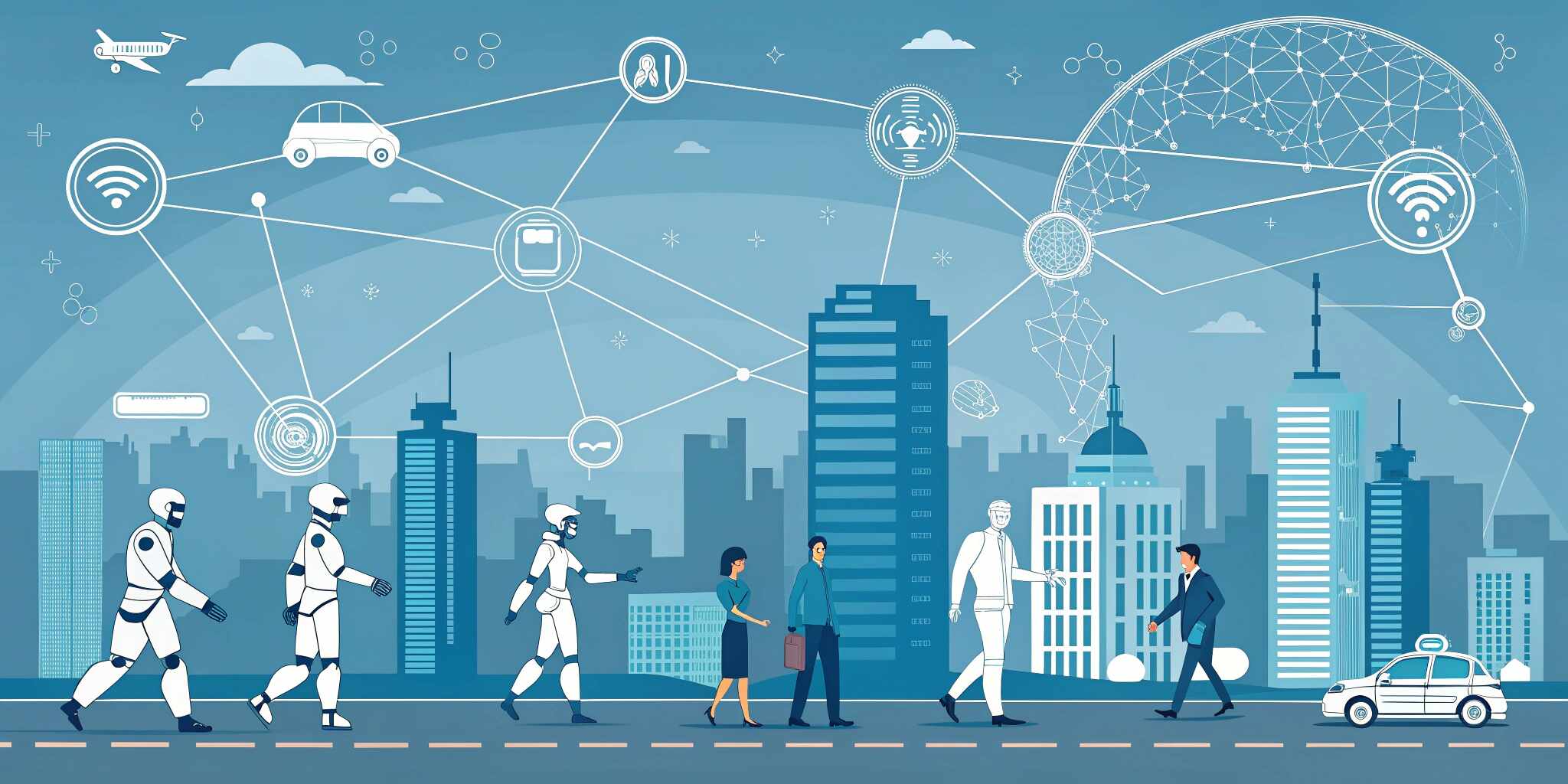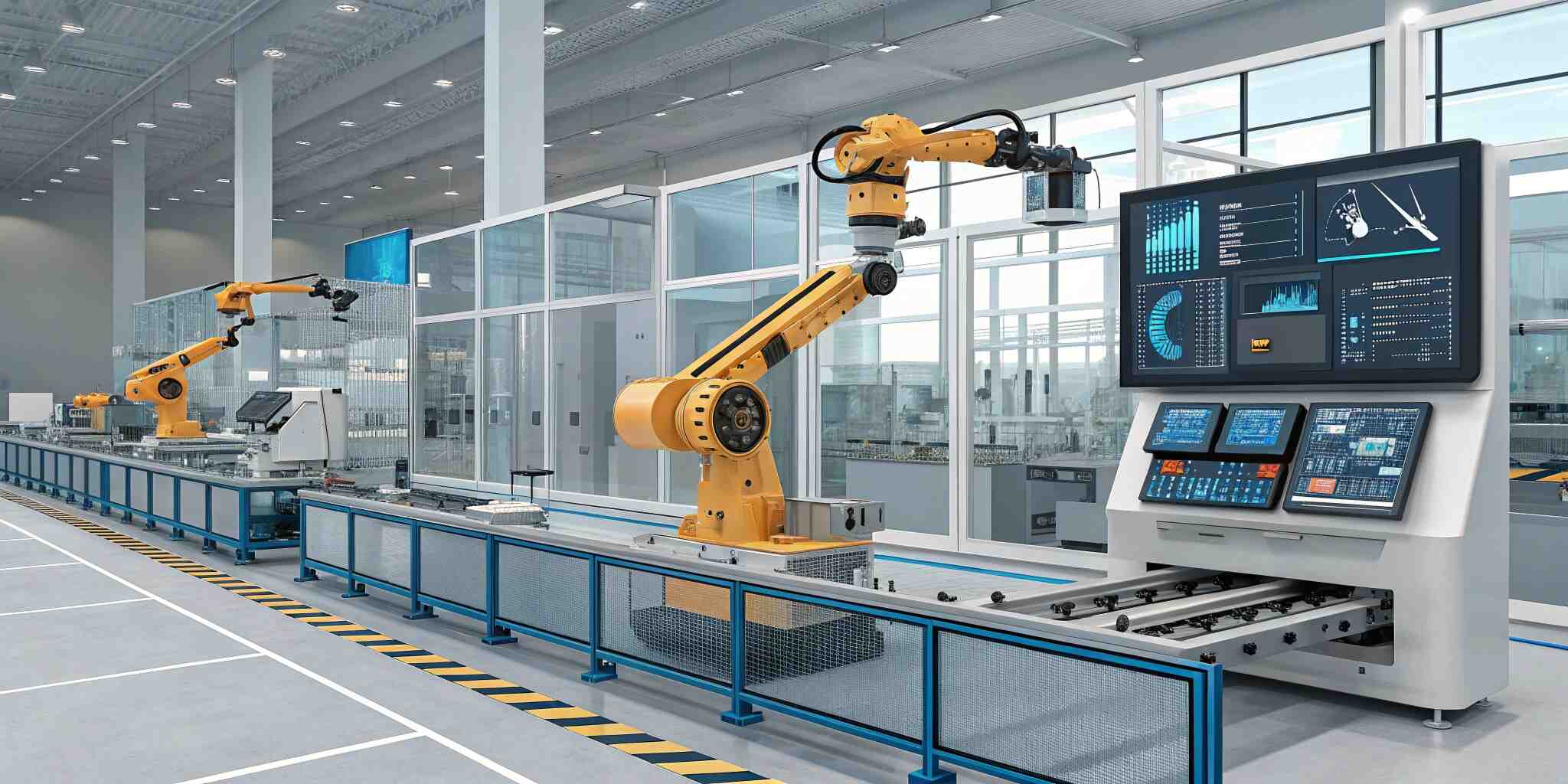
Artificial Intelligence (AI) is reshaping the manufacturing landscape by enabling production environments that can think, learn, and make decisions independently. Known as Autonomous Manufacturing, this approach leverages AI, machine learning, IoT, robotics, and real-time analytics to eliminate manual dependency and achieve self-governing production operations. It forms the core of Industry 4.0, where factories evolve into intelligent, data-driven ecosystems capable of optimizing themselves.
What Is Autonomous Manufacturing?
Autonomous manufacturing refers to a system where machines, robots, sensors, and software work together with minimal human intervention. These systems continuously analyze operational data, detect patterns, adjust workloads automatically, and make predictive decisions—resulting in more efficient and reliable production.
Companies such as Tesla, Siemens, BMW, and GE already use AI-powered smart factories to automate production, perform quality checks, and streamline supply chains.
How AI Enables Autonomous Manufacturing
1. AI-Powered Predictive Maintenance
Unplanned downtime can cost manufacturing organizations millions. AI models trained using historical machine data predict potential failures early and schedule maintenance before breakdowns occur.
Benefits:
- 30–50% reduction in unplanned downtime
- Longer machine lifespan
- Lower maintenance costs
2. Smart Robotics & Human-Machine Collaboration
AI-enabled autonomous robots (AMRs) can carry materials, assemble components, perform packaging, and inspect products.
AI-based cobots work safely alongside humans, assisting with heavy or repetitive work, improving safety and productivity.
3. Real-Time Quality Inspection
AI computer vision systems detect defects that humans might miss and ensure consistency across product batches.
Examples:
- Surface defect detection in metals
- Error detection in PCB boards
- Packaging quality inspection
This leads to:
- Faster quality validation
- Less product waste
- Higher customer satisfaction
4. Adaptive Production Planning and Scheduling
AI analyzes order volume, raw material availability, workforce levels, and logistics to optimize production planning. It automatically prioritizes tasks and reallocates workloads to avoid bottlenecks.
5. AI-Driven Supply Chain Optimization
AI improves demand forecasting, inventory planning, and logistics routing. Manufacturers can respond to disruptions quickly and ensure stable material availability.
6. Edge AI for Real-Time Decision Making
Processing data on-site (edge computing) ensures ultra-fast decision-making with low latency—essential for high-precision automated systems.
Benefits of AI-Enabled Autonomous Manufacturing
BenefitImpactReduced operational costsFaster production & low wastageIncreased productivity24/7 automated operationsImproved product qualityReal-time defect detectionBetter worker safetyReduced exposure to high-risk tasksFaster time-to-marketRapid design & prototypingFlexible & scalable factoriesAdapt quickly to market changes
Real-World Applications
IndustryAI-Driven Use CaseAutomotiveFully automated assembly lines, robotic weldingElectronicsPCB inspection, semiconductor fabricationPharmaAutonomous packaging & labelingAerospaceSmart material handling & structural testingConsumer goodsPredictive maintenance & smart warehousing
Challenges & Considerations
Although AI unlocks massive potential, industries face challenges such as:
- High implementation cost
- Need for skilled workforce
- Data security concerns
- Legacy machine integration
However, as technology matures, adoption is becoming more cost-efficient and accessible even for mid-scale manufacturers.
Future of Autonomous Manufacturing
Next-generation factories will feature:
- Completely self-healing and self-optimizing systems
- Digital twins for simulation-based decision making
- Fully automated supply chain systems
- Hyper-personalized on-demand production
The convergence of AI + Robotics + IoT + 5G + Edge Computing will shape the era of lights-out manufacturing, where factories run in full automation without human presence.
Conclusion
AI in autonomous manufacturing is not just a technology upgrade—it is a strategic transformation for the future of industrial competitiveness. Organizations that invest in intelligent automation today will lead the innovation wave of tomorrow.