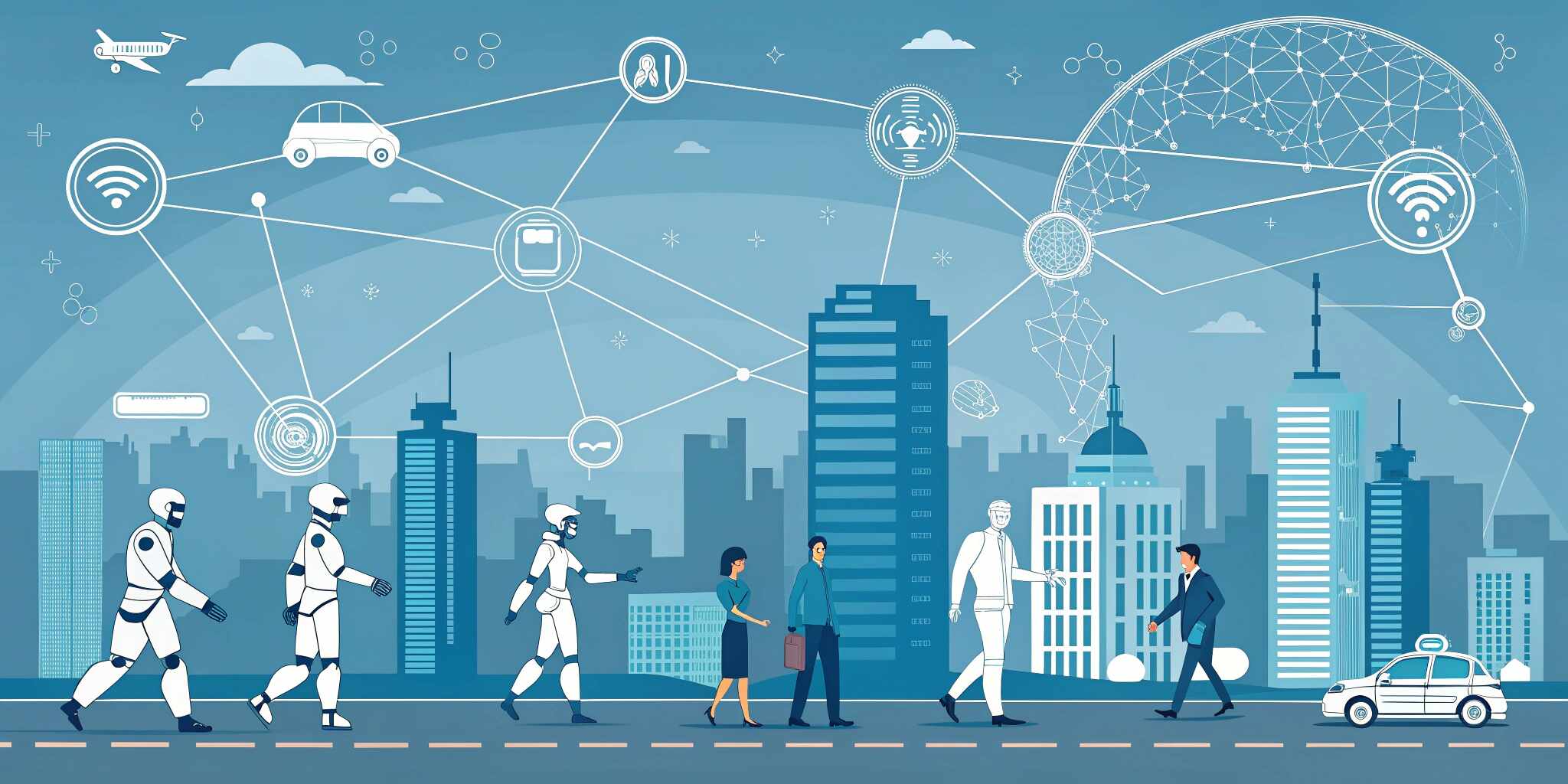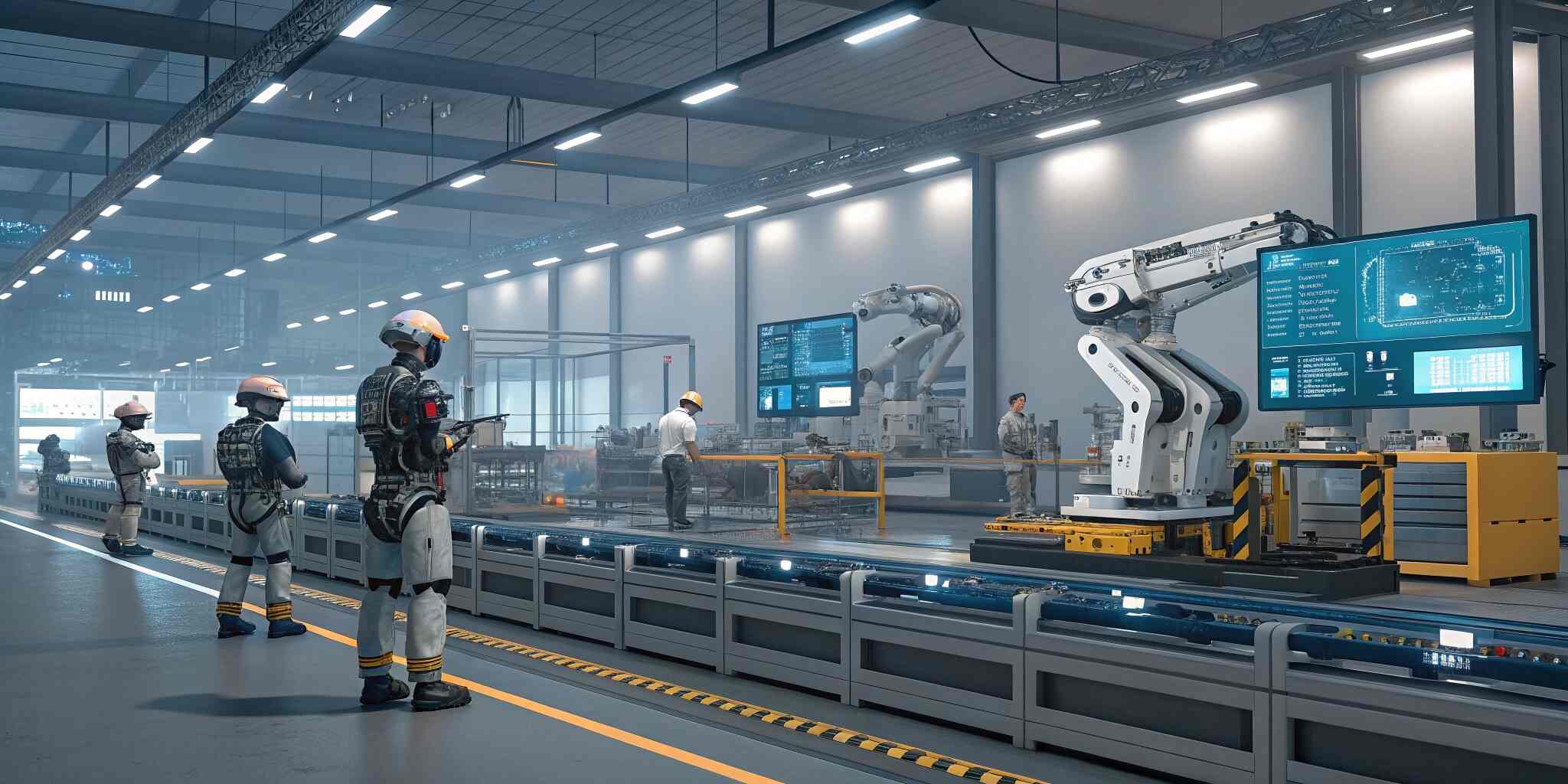
Artificial Intelligence (AI) has become the backbone of next-generation manufacturing, driving the shift from traditional automated systems to fully autonomous factories. Autonomous manufacturing refers to production environments where machines, robots, and systems can make decisions, self-optimize, and operate with minimal human intervention. AI technologies—such as machine learning, computer vision, robotics, and real-time analytics—are enabling manufacturers to achieve unprecedented levels of efficiency, precision, and agility.
The rise of Industry 4.0 has accelerated the integration of smart technologies into industrial operations. However, the combination of AI and autonomous systems goes beyond digitization. It transforms manufacturing into an intelligent, interconnected, and self-governing ecosystem. This shift is not only increasing productivity but also helping companies tackle challenges related to labor shortages, production errors, operational inefficiencies, and dynamic market demands.
One of the biggest contributions of AI in autonomous manufacturing is predictive maintenance. Traditional maintenance models rely on periodic checks, often resulting in unexpected downtime. AI-powered predictive systems monitor machine conditions in real-time, analyze data from sensors, and forecast potential failures before they occur. This prevents costly breakdowns and extends the lifespan of industrial machinery. Companies can reduce downtime, save repair costs, and maintain continuous production without disruption.
AI-driven robotics is another essential pillar of autonomous manufacturing. Modern robots, equipped with machine vision and learning capabilities, can adapt to new tasks, handle complex workflows, and collaborate safely alongside humans. These collaborative robots—also known as cobots—make manufacturing lines more flexible and scalable. Unlike earlier generations of robots that required fixed programming, AI-powered robots can learn from data, improve performance, and respond intelligently to changes in the environment. This enables manufacturers to adjust production quickly based on shifting market needs.
Quality control, a critical challenge in manufacturing, has also been transformed by AI. Computer vision systems analyze product defects with accuracy far beyond human capability. These systems detect microscopic flaws, inconsistencies, or anomalies in real-time and immediately correct the root cause. As a result, manufacturing units experience improved product consistency, reduced material wastage, and higher customer satisfaction. AI enables continuous monitoring, allowing production lines to self-adjust without slowing down operations.
Supply chain optimization is another area where AI enhances autonomous manufacturing. Smart factories are connected factories, where AI algorithms track inventory, forecast demand, and coordinate logistics. This helps manufacturing environments run more smoothly by ensuring materials are always available when needed while avoiding overstocking or shortages. AI enhances end-to-end visibility, allowing organizations to respond quickly to potential disruptions and improve overall operational resilience.
Safety is also significantly improved in AI-driven autonomous environments. Sensors, AI models, and robotics reduce the need for human involvement in high-risk areas. Intelligent monitoring systems can detect potential hazards, alert teams, or automatically shut down operations if safety thresholds are breached. This not only protects workers but also ensures regulatory compliance across manufacturing units.
The future of autonomous manufacturing is deeply connected to advancements in AI technologies. As AI models become more powerful, factories will evolve into fully self-regulating ecosystems capable of handling planning, production, maintenance, and quality assurance without human oversight. This shift will empower companies to operate 24/7, reduce operational costs, and respond rapidly to global market changes.
Despite the numerous advantages, challenges remain. Implementing AI-driven autonomous systems requires significant investment, skilled talent, and robust cybersecurity frameworks. Manufacturers must also manage resistance to technological change while ensuring that human workers are trained to collaborate with intelligent machines. However, with the right strategies, AI can unlock transformational benefits and prepare manufacturing units for a highly competitive future.