Introduction
The line between mobile and desktop computing is blurring faster than ever. Google’s push to converge Android and ChromeOS is unlocking a seamless ecosystem where smartphones, tablets, and Chromebooks work as one. With desktop mode gaining traction, we’re entering a new era of computing flexibility and productivity.
What is Android–ChromeOS Convergence?
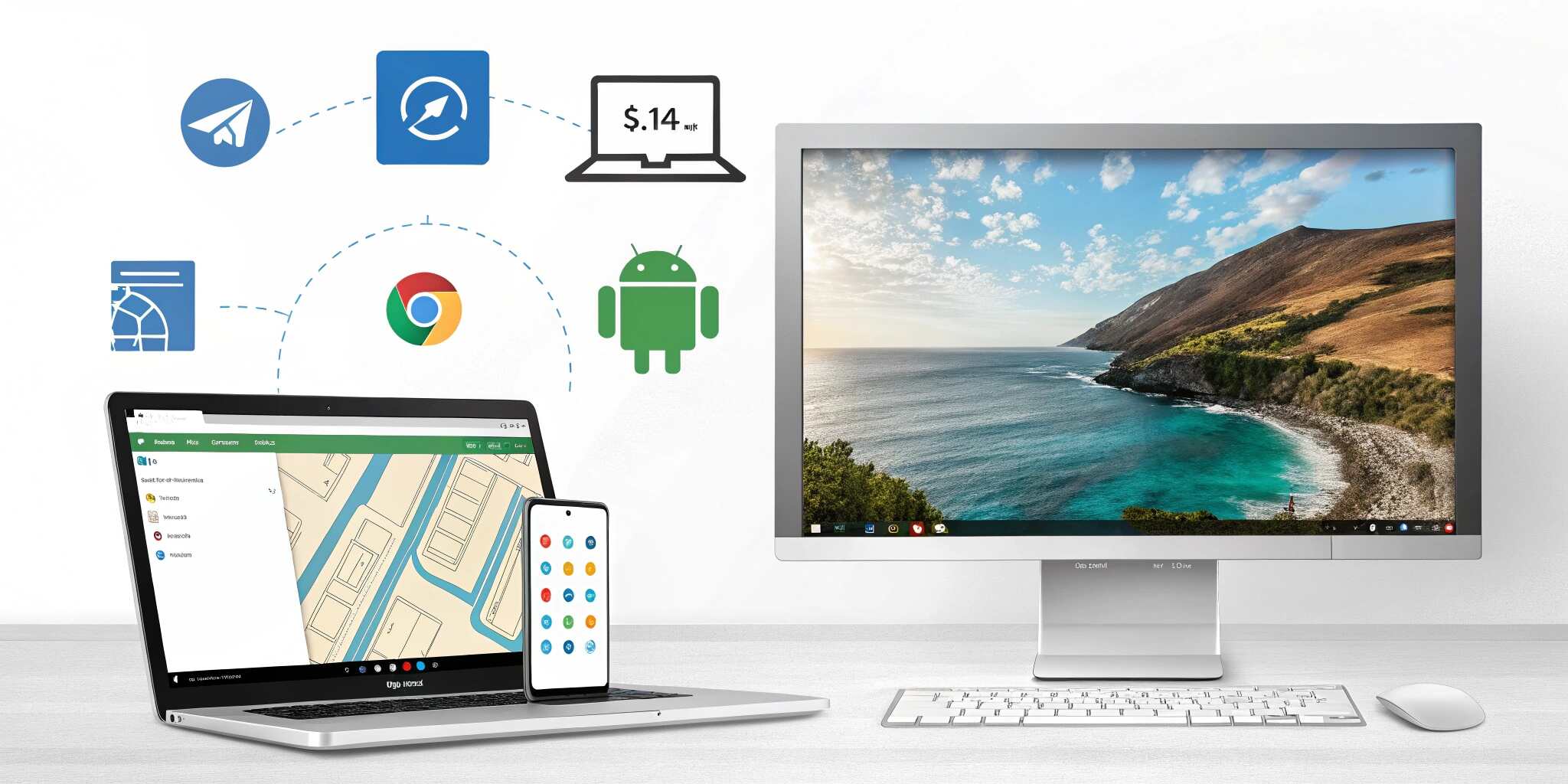
At its core, Android–ChromeOS convergence means creating a unified experience across devices. Imagine launching Android apps on your Chromebook without compromises or using your phone as a touchpad for your desktop. This deep integration allows:
- Shared apps and files between devices
- Unified Google services for productivity
- Seamless synchronization for tasks, notifications, and app states
Desktop Mode: The Game Changer
Desktop mode on Android is evolving beyond a simple “big screen” experience. Users can now:
- Run multiple resizable Android apps side by side
- Use keyboard and mouse shortcuts like a PC
- Mirror or extend displays to monitors for presentations or creative work
ChromeOS, with its desktop-native design, enhances these capabilities by supporting full web apps alongside Android apps in the same interface.
Benefits for Productivity & App Development
For Productivity:
- One workspace for web, Android, and Linux apps
- Easier multitasking and workflow switching
- Better file management with Google Drive and local storage
For Developers:
- Build once, deploy everywhere (Android app compatibility on ChromeOS)
- Test responsive designs in real time
- Leverage Linux containers for advanced development tools
Impact on Gaming & Entertainment
With improved GPU drivers, game streaming platforms, and Android game support, Chromebooks are no longer just “web browsers with keyboards.” The convergence opens the door to:
- Mobile games with keyboard/mouse controls
- Game streaming from services like Xbox Cloud Gaming and NVIDIA GeForce NOW
- Cross-device progress synchronization
The Road Ahead
Google’s vision for Android–ChromeOS convergence points toward a future where you don’t think about “switching devices” — you just continue your task anywhere. With AI-driven features, better app optimization, and hardware improvements, desktop mode could rival traditional PCs in both capability and convenience.
Conclusion
The Android–ChromeOS convergence and evolving desktop mode mark a pivotal shift in personal computing. For users, it means more flexibility and efficiency. For developers, it’s a bigger stage for innovation. The boundary between mobile and desktop is fading — and that’s a future worth getting excited about.