Introduction: From Tools to Products
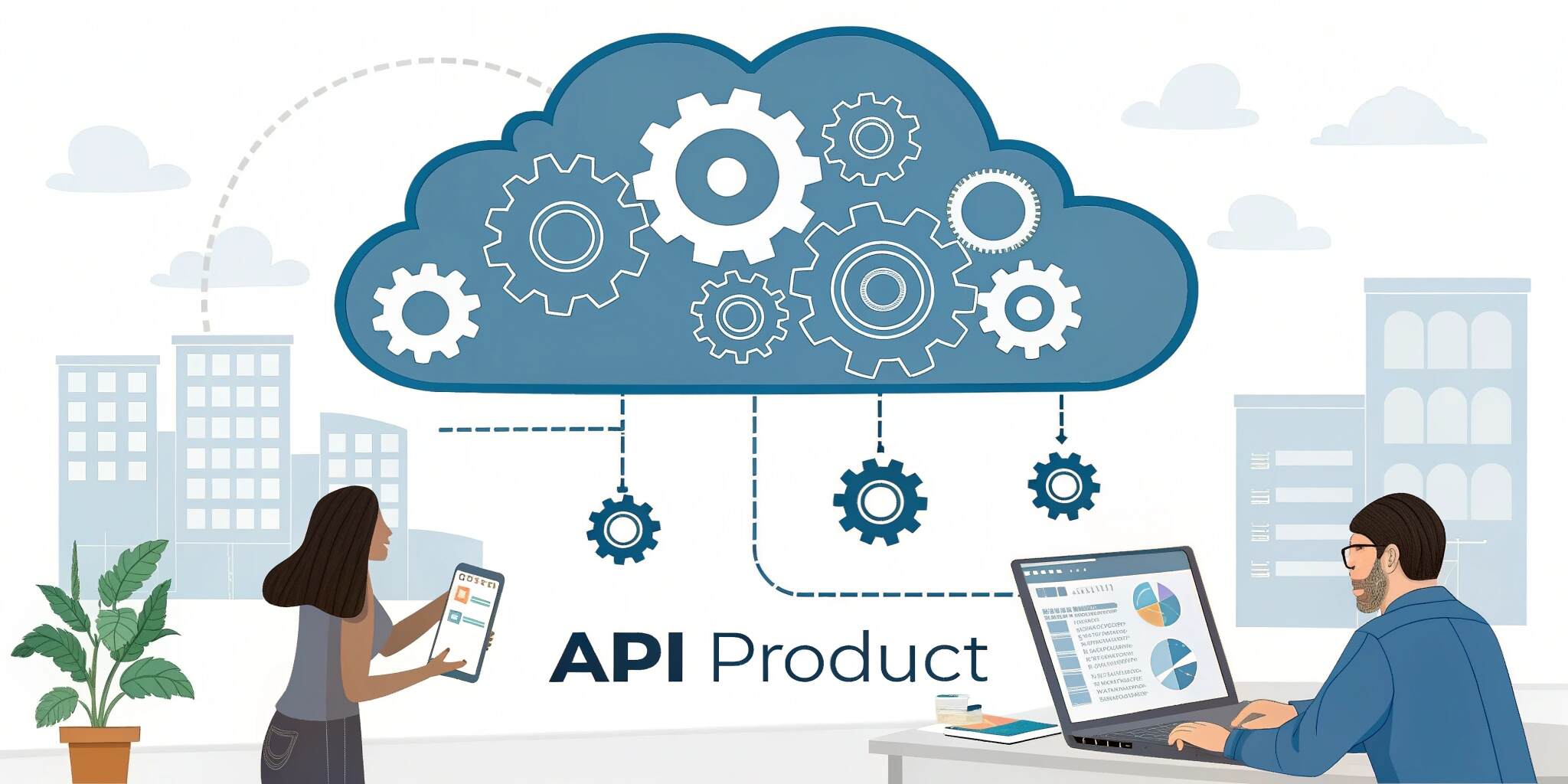
APIs were once treated merely as technical connectors. Today, they are full-fledged digital products driving innovation, integration, and monetization. The concept of API-as-a-Product flips the traditional mindset: APIs are no longer just internal enablers—they are revenue-generating, user-centric offerings.
What is API-as-a-Product?
API-as-a-Product (AaaP) is the strategic approach of designing, managing, and marketing APIs as independent products. It involves:
- Clear user personas (e.g., developers, partners)
- Well-documented use cases
- Scalable infrastructure
- Monetization models
- Ongoing support and versioning
This model aligns APIs with product thinking: defining market fit, user needs, metrics, and roadmaps.
Why API-as-a-Product Matters
- Monetization Opportunity
- APIs can directly generate revenue through subscriptions, tiered access, or usage-based pricing models (e.g., Stripe, Twilio, OpenAI).
- Scalable Business Expansion
- APIs allow businesses to expose services globally with minimal friction, enabling ecosystem growth and partner integration.
- Improved Developer Experience (DX)
- Treating developers as users ensures better documentation, sandbox environments, and intuitive onboarding—boosting adoption.
- Faster Innovation and Agility
- APIs decouple frontend and backend systems, allowing teams to innovate independently and deliver features faster.
Key Components of API-as-a-Product Strategy
- API Design & Usability
- Clean, intuitive endpoints, REST/GraphQL design, and consistent standards are key for adoption.
- Documentation & DX Portals
- A great API has excellent documentation, tutorials, SDKs, and a developer portal to make integration seamless.
- Security & Governance
- APIs must be secure (OAuth, rate limiting, API keys), versioned, and compliant with industry regulations (GDPR, HIPAA).
- Analytics & Feedback Loops
- Usage metrics, latency monitoring, and customer feedback help refine API functionality and roadmap decisions.
- Monetization Models
- Common approaches include:
- Pay-per-use (usage-based)
- Freemium tiers
- Partner licensing
- Revenue sharing
Case Studies: APIs Done Right
- Stripe: Simplifies payments with an API-first model; APIs are the core product.
- Twilio: Offers communication infrastructure (SMS, voice, video) via APIs.
- Spotify for Developers: Empowers third parties to build music-based apps via APIs.
Challenges in API-as-a-Product
- Developer onboarding friction
- Keeping documentation up-to-date
- Ensuring reliability and uptime
- Balancing openness with security
These can be mitigated through agile product management, automated testing, and feedback-driven iterations.
Conclusion: Product Thinking is the Future of APIs
APIs are no longer just enablers—they are products in their own right. Treating APIs like products brings clarity, usability, and growth potential. With the right strategy, APIs can become the backbone of modern digital ecosystems.