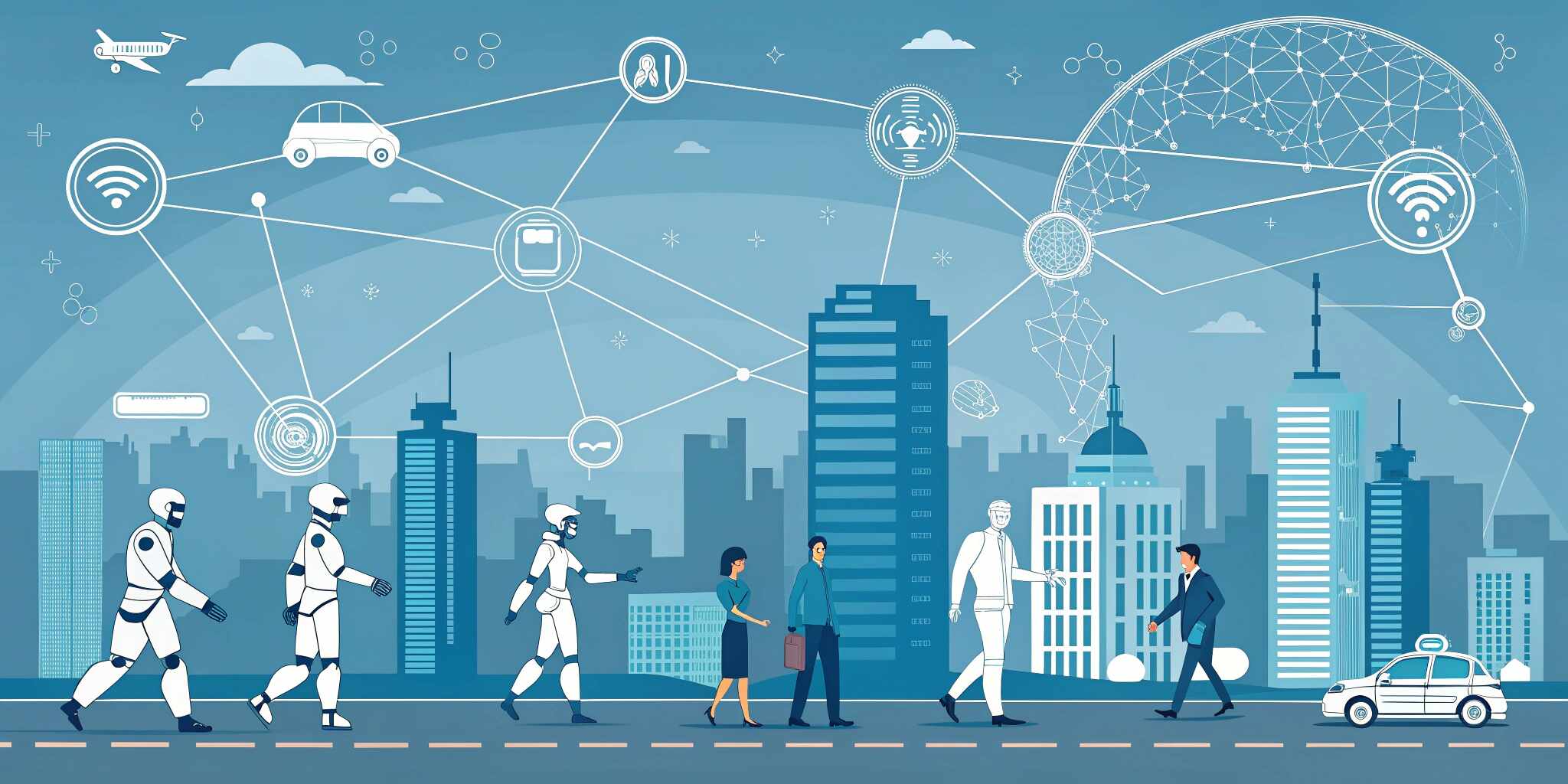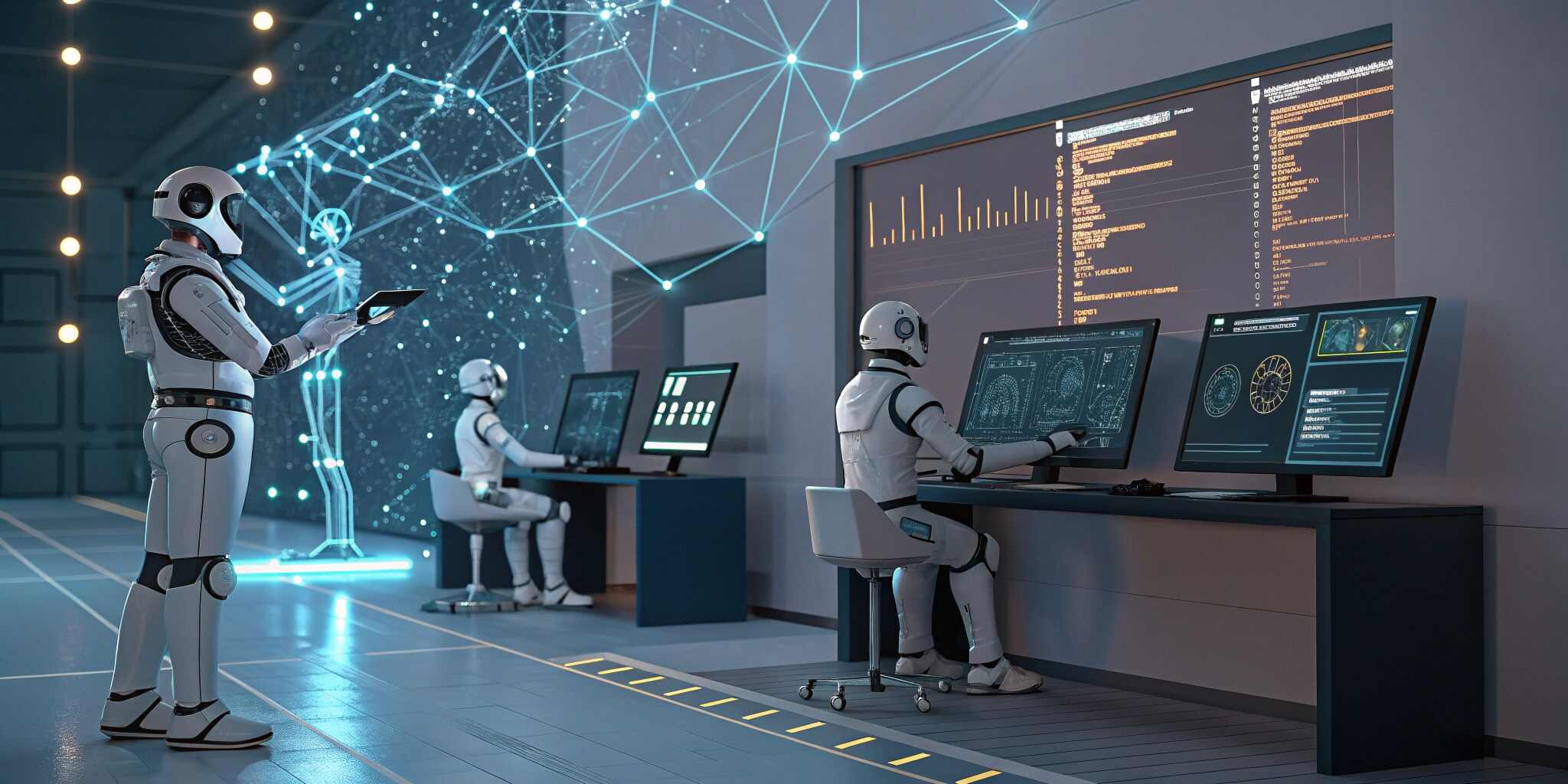
The evolution of web applications is moving beyond static interactions and predefined workflows. Modern systems are increasingly expected to observe, decide, and act autonomously. This shift has given rise to autonomous web agents—AI-driven entities capable of executing complex workflows with minimal human intervention. Combined with workflow automation, these agents are redefining how digital systems operate at scale.
What Are Autonomous Web Agents?
Autonomous web agents are software agents embedded within or connected to web applications that can perceive data, reason using AI models, take actions, and learn from outcomes. Unlike traditional automation scripts that follow fixed rules, autonomous agents adapt dynamically to changing conditions.
Core characteristics include:
- Goal-oriented behavior
- Context awareness
- Decision-making powered by AI/ML models
- Ability to interact with APIs, databases, and user interfaces
- Continuous feedback and learning
These agents act as independent workers inside web systems, handling tasks that once required human supervision.
Workflow Automation: From Rules to Intelligence
Traditional workflow automation relies on predefined rules and linear processes. While effective for predictable tasks, it breaks down in complex, variable environments.
Autonomous workflow automation introduces:
- Non-linear decision paths
- Context-based execution
- Real-time optimization
- Self-correcting logic
Instead of asking “What rule should I apply?”, the system asks “What is the best action to achieve the goal right now?”
Architecture of Autonomous Web Agent Systems
A typical autonomous web agent architecture includes:
- Perception Layer
- Collects data from user behavior, APIs, logs, events, and external systems.
- Reasoning Layer
- Uses LLMs, decision trees, reinforcement learning, or hybrid AI models to evaluate context and plan actions.
- Action Layer
- Executes tasks such as API calls, form submissions, database updates, or triggering workflows.
- Memory & Learning Layer
- Stores past actions, outcomes, and user preferences to improve future decisions.
This layered approach allows agents to operate independently while remaining aligned with system goals.
Real-World Use Cases in Web Applications
Autonomous web agents are already being deployed across industries:
- Customer Support Automation
- AI agents resolve tickets, escalate issues, and learn from resolutions.
- E-commerce Operations
- Automated inventory management, pricing optimization, and order routing.
- DevOps & Infrastructure
- Agents monitor systems, detect anomalies, and initiate self-healing actions.
- Marketing & Growth Automation
- Personalized campaigns, lead scoring, and content optimization.
- Enterprise Workflow Management
- End-to-end automation of approvals, reporting, and compliance tasks.
These use cases highlight how agents move beyond assistance into autonomous execution.
Benefits of Autonomous Workflow Automation
Organizations adopting autonomous agents gain:
- Scalability: Systems handle growth without linear increases in human effort
- Efficiency: Reduced manual intervention and faster task completion
- Consistency: Fewer human errors in repetitive processes
- Adaptability: Dynamic responses to real-time changes
- Cost Optimization: Lower operational and staffing costs
When implemented correctly, autonomous agents become force multipliers for digital teams.
Challenges and Risks
Despite their promise, autonomous web agents introduce new complexities:
- Trust & Explainability: Understanding why an agent made a decision
- Security Risks: Autonomous actions must be tightly controlled
- Data Quality Dependence: Poor input data leads to poor decisions
- Over-Automation: Removing human oversight too early
Successful implementations balance autonomy with governance, monitoring, and human-in-the-loop mechanisms.
The Future of Autonomous Web Systems
Autonomous web agents represent a shift from software as a tool to software as a collaborator. As AI models improve and infrastructure matures, agents will coordinate with each other, negotiate tasks, and optimize entire systems autonomously.
Future web applications will not just respond to user actions—they will anticipate needs, execute workflows proactively, and continuously improve themselves.
Final Thoughts
Autonomous web agents and workflow automation are not incremental upgrades; they are a paradigm shift. Organizations that embrace agent-based systems early will gain a significant advantage in scalability, efficiency, and innovation. As web development converges with AI engineering, autonomous agents will become foundational components of next-generation digital platforms.