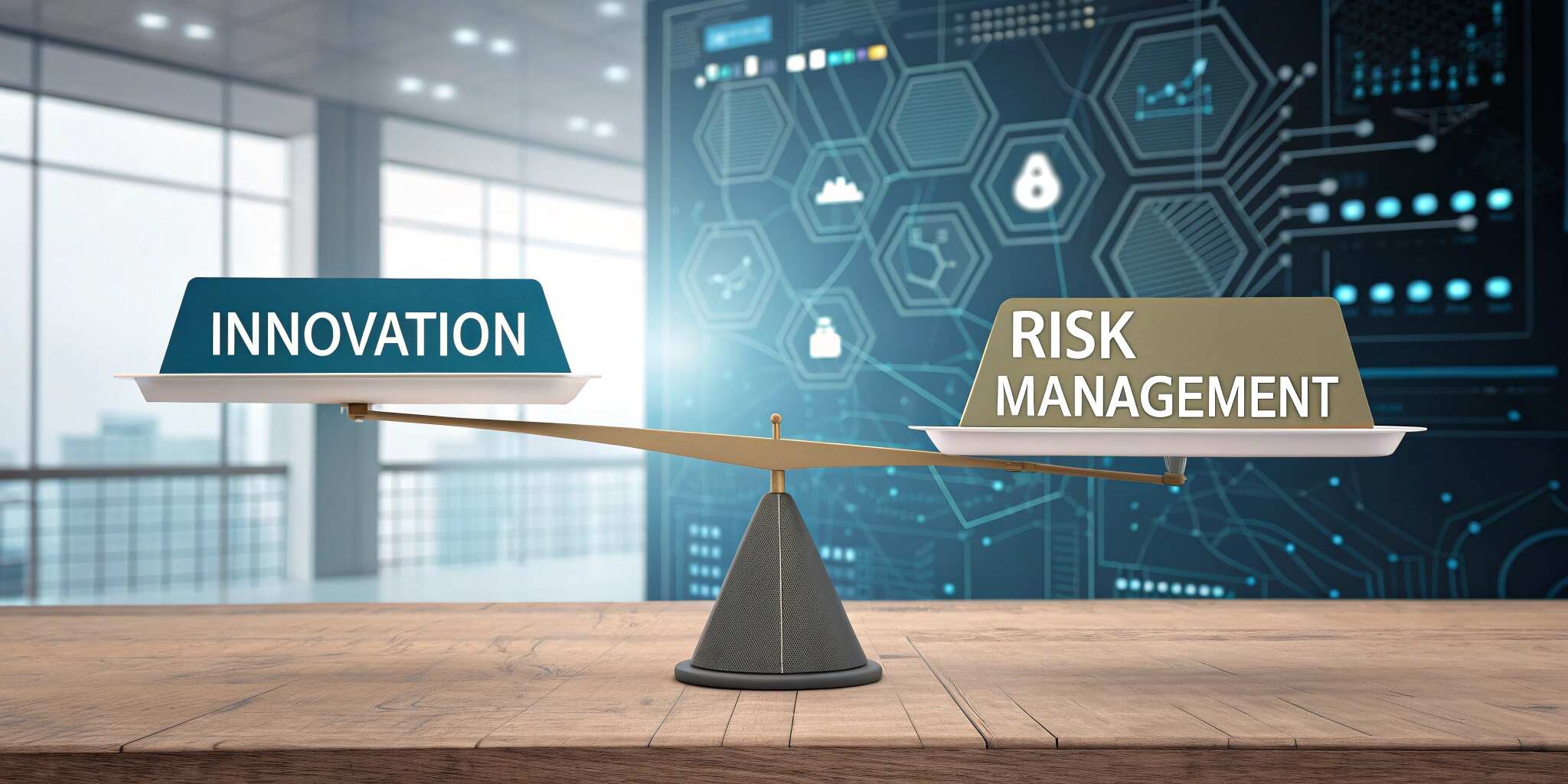
In today’s digital-first economy, innovation is no longer optional—it’s essential for survival. From artificial intelligence (AI) and automation to cloud computing and data analytics, organizations are rapidly adopting cutting-edge technologies to stay competitive. However, with innovation comes risk—cybersecurity threats, compliance issues, data privacy challenges, and operational disruptions.
Balancing innovation and risk in digital transformation is the key to sustainable success. It requires a strategic approach that promotes technological advancement while ensuring that systems, data, and people remain secure and adaptable.
Understanding the Dual Nature of Digital Transformation
Digital transformation represents more than just technology upgrades—it’s a complete rethinking of how businesses operate and deliver value. It empowers companies to become more agile, efficient, and customer-focused. Yet, innovation often outpaces regulation, infrastructure, and risk management practices, leading to potential vulnerabilities.
For example, while implementing cloud-based solutions accelerates scalability, it can also expose organizations to data breaches if not properly secured. Similarly, adopting AI-driven automation boosts productivity but may introduce algorithmic biases or compliance risks.
This duality creates the need for a delicate balance—one where innovation fuels progress but risk management ensures sustainability.
Why Balancing Innovation and Risk Matters
Every digital transformation initiative carries inherent risks. These include data loss, integration failures, employee resistance, and regulatory non-compliance. If ignored, such risks can lead to financial losses, reputational damage, and project failure.
However, overly cautious approaches can stifle innovation, slowing down progress and allowing competitors to take the lead. The goal, therefore, is not to eliminate risk but to manage it intelligently. Companies that master this balance achieve faster innovation cycles while maintaining trust, compliance, and resilience.
Key Strategies to Balance Innovation and Risk
1. Establish Strong IT Governance Frameworks
A robust IT governance framework ensures that innovation aligns with business goals and compliance requirements. Frameworks like COBIT or ISO 27001 help organizations standardize policies, monitor performance, and assess risks while promoting transparency and accountability in decision-making.
2. Integrate Risk Management into Every Stage of Innovation
Risk management should not be an afterthought. Integrating it early into product design, development, and deployment phases minimizes vulnerabilities. This includes conducting risk assessments, implementing fail-safes, and setting up mitigation protocols before launching any new technology or system.
3. Adopt a Cybersecurity-First Mindset
As organizations digitize operations, cyber threats evolve in sophistication. Investing in multi-layered cybersecurity, zero-trust architecture, and real-time monitoring tools helps safeguard data and infrastructure. Regular security audits, employee training, and incident response planning are equally vital to mitigate potential breaches.
4. Foster a Culture of Responsible Innovation
Technology alone cannot drive transformation—people do. Encouraging a culture where employees are empowered to innovate while understanding the implications of risk fosters accountability and awareness. This involves continuous training, open communication, and promoting collaboration between IT, legal, and compliance teams.
5. Utilize Data Ethically and Transparently
Data is at the core of digital innovation. However, with data comes responsibility. Businesses must prioritize data privacy, ethical AI use, and transparent algorithms. Compliance with regulations like GDPR and India’s DPDP Act ensures both customer trust and operational integrity.
6. Embrace Agile and Scalable Technologies
Agile methodologies enable rapid adaptation to changing market needs while managing uncertainties. Scalable cloud architectures, modular software systems, and containerized environments ensure flexibility without compromising control. This balance allows organizations to innovate quickly while maintaining system stability.
7. Partner with Reliable Technology Vendors
Choosing the right technology partners can significantly reduce transformation risks. Reputable vendors provide secure, compliant, and well-documented solutions that align with enterprise standards. Collaborations with cloud providers, cybersecurity firms, and data analytics platforms can strengthen innovation efforts with built-in safeguards.
Case Example: Balancing Speed and Security in Cloud Migration
A multinational enterprise undergoing cloud migration faced the challenge of maintaining innovation speed while ensuring compliance. By adopting a phased migration approach, integrating AI-based security monitoring, and conducting regular risk assessments, the company achieved rapid transformation without compromising data protection.
This example highlights that balancing innovation and risk isn’t about slowing down—it’s about moving smarter.
The Human Element in Digital Risk Management
While technology plays a crucial role, human intelligence remains irreplaceable in managing transformation risks. Empowering employees to identify potential threats, question processes, and adapt to digital tools creates a proactive defense against both internal and external risks.
Furthermore, leadership must champion responsible innovation—encouraging experimentation but enforcing accountability. This ensures that creativity thrives within secure, ethical, and compliant boundaries.
The Future of Balanced Digital Transformation
The future of digital transformation lies in responsible innovation—a model where progress and protection go hand in hand. Organizations that succeed in this balance will not only thrive technologically but also earn long-term stakeholder trust.
Emerging technologies like AI governance, blockchain transparency, and predictive risk analytics will further refine this balance, allowing businesses to anticipate and neutralize risks before they escalate.
In essence, balancing innovation and risk is not a one-time project—it’s an ongoing commitment. Companies must continuously evaluate, adapt, and evolve to maintain equilibrium in an ever-changing digital world.
Conclusion
Digital transformation is a powerful catalyst for innovation, but it also brings new risks that cannot be ignored. By integrating governance, cybersecurity, and responsible culture into their transformation strategies, organizations can innovate confidently and sustainably.
The true measure of success in the digital era is not just how fast you innovate—but how safely, responsibly, and strategically you do it.