For decades, passwords have been the default method of securing digital accounts. However, they come with weaknesses—weak passwords, phishing attacks, and data breaches have exposed millions of accounts. Enter biometric authentication, a technology that verifies identity using unique human traits like fingerprints, facial structure, or voice patterns.
What is Biometric Authentication?
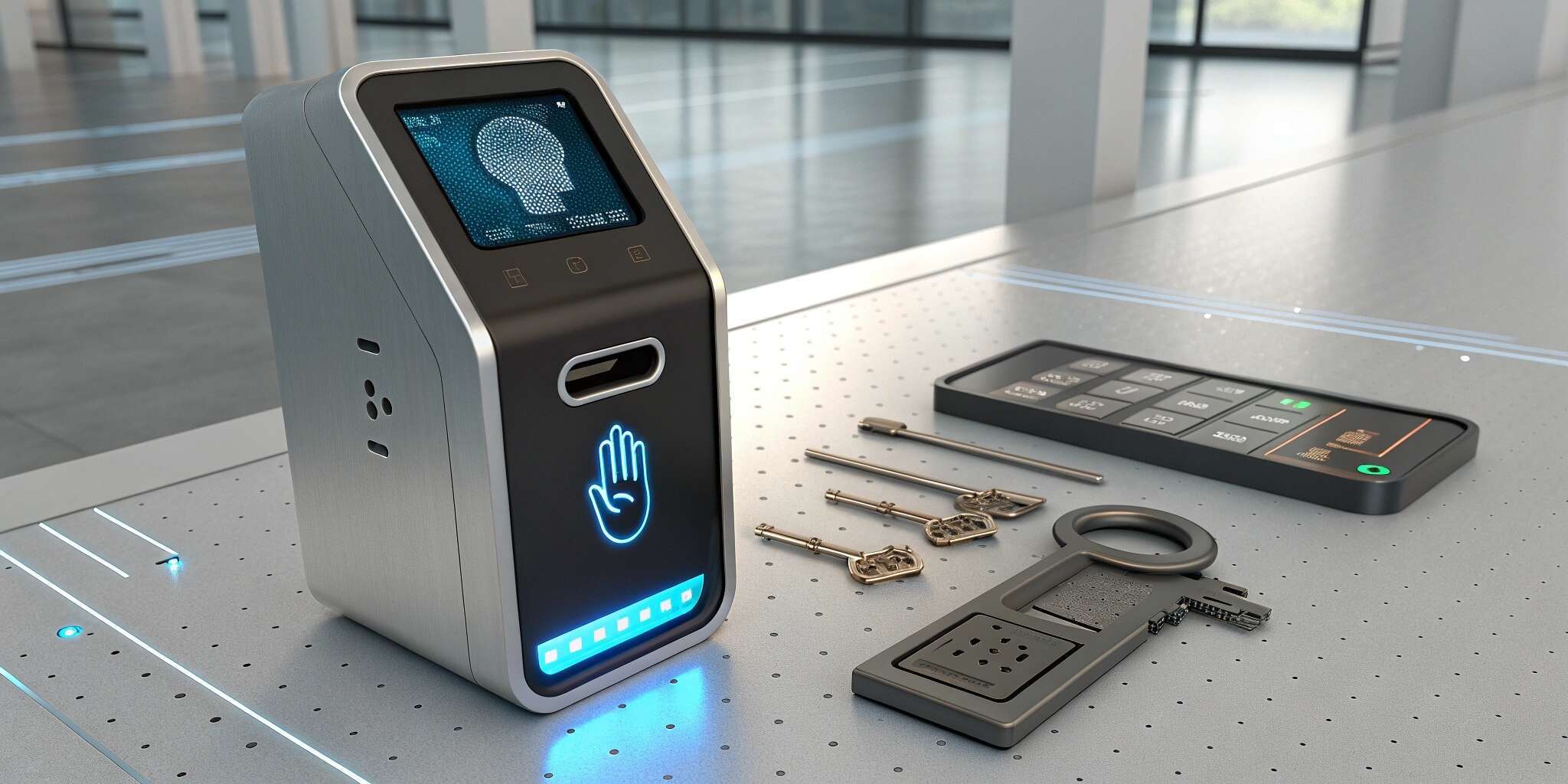
Biometric authentication uses an individual’s biological characteristics to verify identity. Common forms include:
- Fingerprint scanning – Common in smartphones and laptops.
- Facial recognition – Used in devices, airport security, and payment systems.
- Voice recognition – Enables secure authentication over calls and voice assistants.
- Iris and retina scans – High-security environments like government facilities.
Why Passwords Are Becoming Obsolete
Passwords are vulnerable to:
- Phishing attacks – Tricking users into revealing credentials.
- Brute force attacks – Automated attempts to guess passwords.
- Reused credentials – A single breach can compromise multiple accounts.
Biometrics eliminate the need to remember or store passwords, reducing these risks significantly.
Benefits of Biometric Authentication
- Enhanced Security – Biological traits are unique and harder to forge.
- Convenience – No need to remember or reset passwords.
- Speed – Faster login and verification processes.
- Lower Risk of Credential Theft – Reduces dependency on password databases.
Challenges and Limitations
- Privacy concerns – Storing biometric data securely is critical.
- Spoofing risks – Some biometric systems can be tricked with photos or recordings.
- Device compatibility – Not all systems support biometric authentication.
- Data permanence – Unlike passwords, biometric traits cannot be changed if stolen.
The Future of Passwordless Authentication
The shift toward passwordless security is gaining momentum, driven by:
- Multi-factor authentication (MFA) combining biometrics with tokens or device-based security.
- FIDO2 standards for secure, device-based authentication.
- Integration into IoT devices for seamless, everyday security.
In the coming years, biometric authentication is expected to dominate authentication systems, reducing or even eliminating the need for passwords altogether.
Conclusion
Passwords are slowly becoming relics of the past. While biometric authentication isn’t flawless, it offers a significant leap in convenience and security. As technology advances, a passwordless future seems inevitable—and safer for everyone.