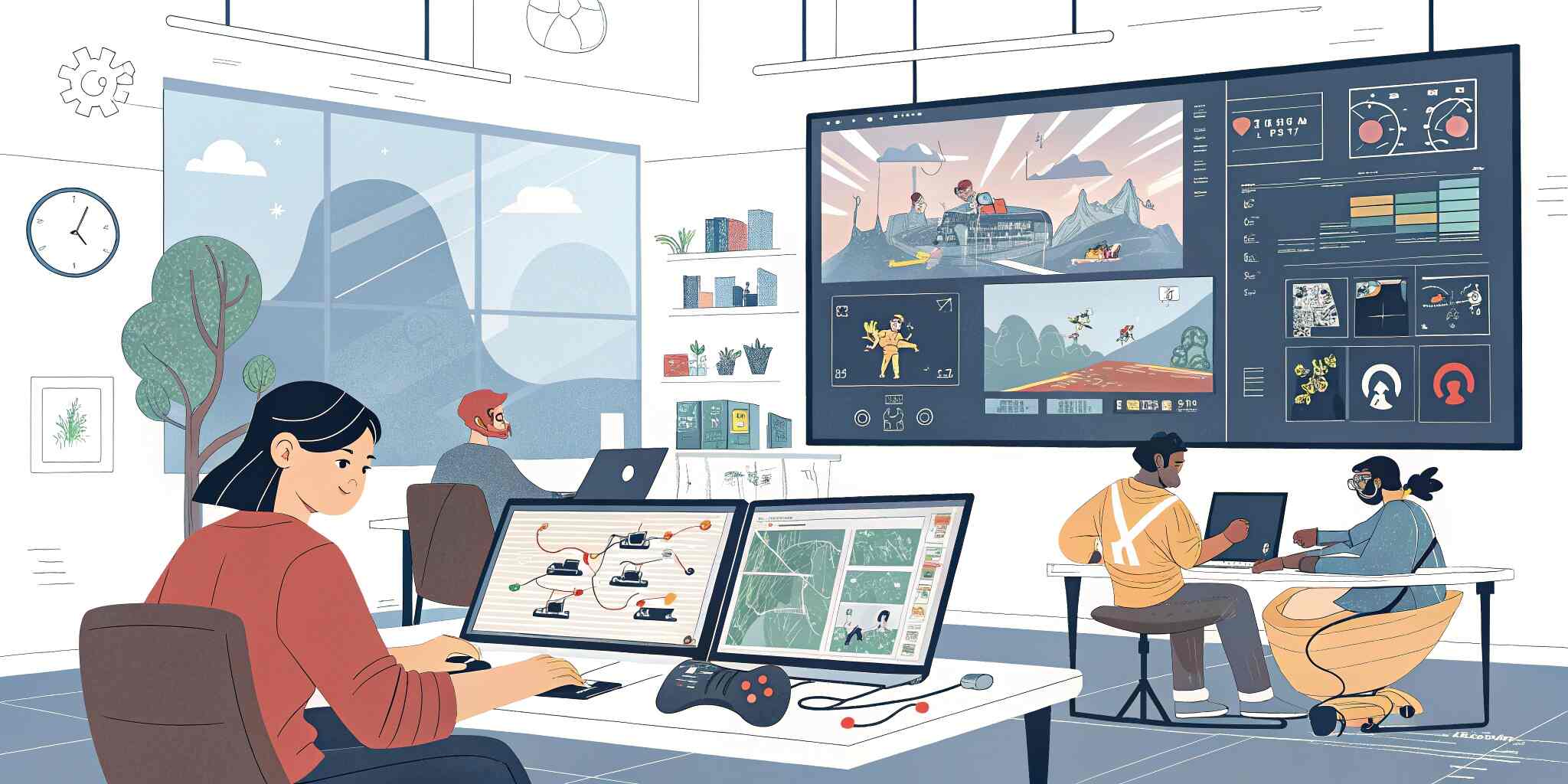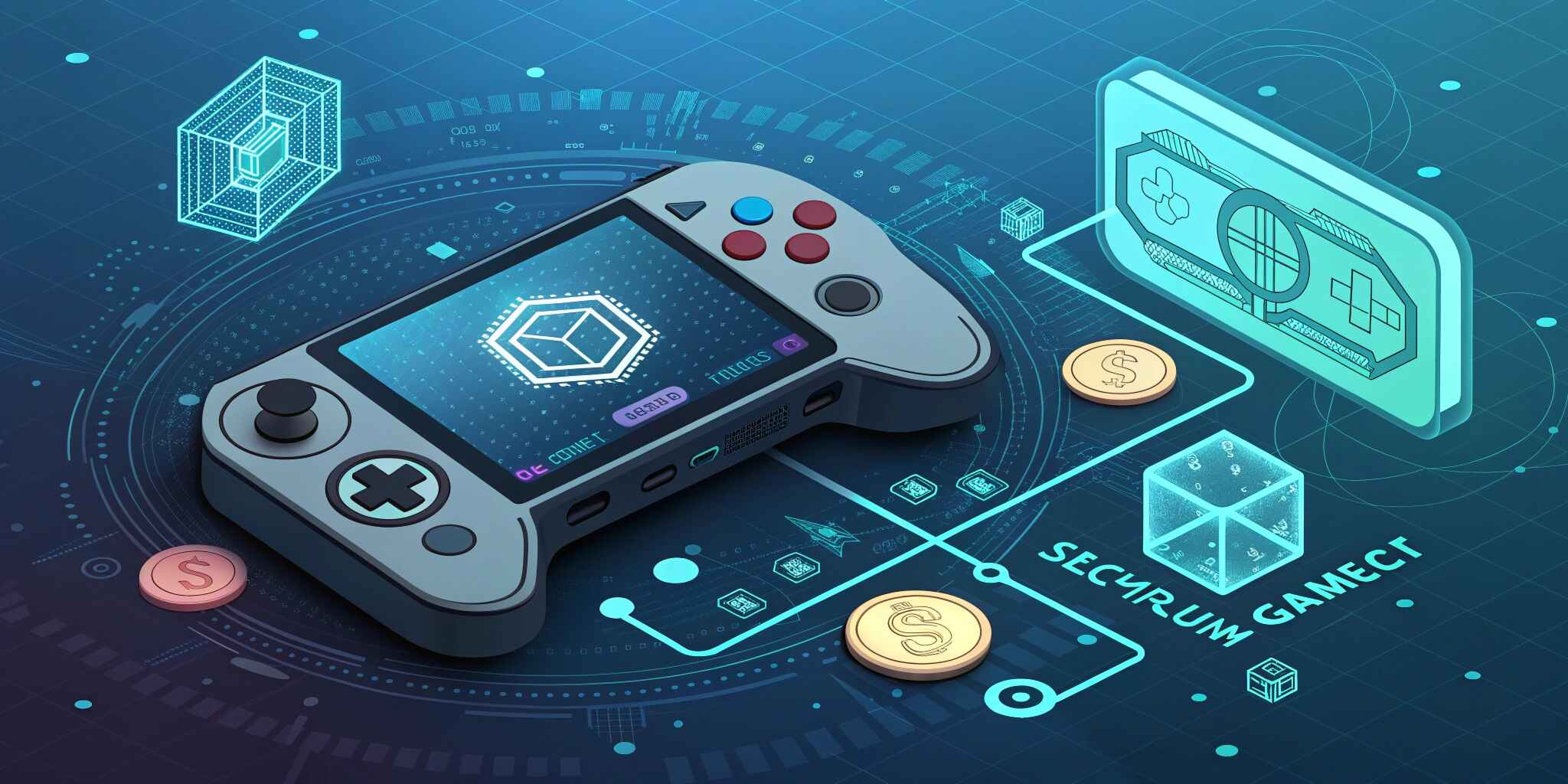
The gaming industry has always been quick to experiment with new technologies, from online multiplayer to virtual reality. In recent years, blockchain and NFTs (Non-Fungible Tokens) have emerged as one of the most controversial additions to the ecosystem. Promising true digital ownership, decentralized economies, and player-driven marketplaces, blockchain gaming has attracted massive investment—along with equally strong criticism. This raises a critical question: are blockchain and NFTs a meaningful innovation, or merely a gimmick?
At their core, blockchain technologies offer something games have never truly had before: verifiable ownership of digital assets. Traditionally, in-game items—skins, weapons, characters—exist only on centralized servers controlled by publishers. Players may spend hundreds of hours or real money acquiring these assets, yet legally they own nothing. Blockchain flips this model by allowing items to exist as tokens on a decentralized ledger, theoretically giving players full ownership and the ability to trade assets outside the game ecosystem.
This concept has led to the rise of play-to-earn and Web3 gaming models, where players can earn tokens or NFTs that hold real-world value. In theory, this empowers players, especially in regions where gaming income can supplement livelihoods. From a development perspective, blockchain enables persistent economies that extend beyond a single title, potentially allowing items to carry value across multiple games or platforms.
However, while the idea sounds revolutionary, execution has proven difficult. Many blockchain games prioritize financial incentives over engaging gameplay. When earning tokens becomes the primary motivation, games risk turning into speculative marketplaces rather than entertainment experiences. This has led to criticism that blockchain games often feel shallow, repetitive, or designed primarily to drive NFT sales rather than deliver compelling game mechanics.
Another major challenge is player trust and perception. Large gaming communities have pushed back strongly against NFTs, viewing them as exploitative monetization tools rather than player-friendly features. Environmental concerns related to energy consumption—though reduced with newer blockchain models—have further damaged public perception. For many players, NFTs symbolize corporate greed rather than innovation.
From a technical standpoint, integrating blockchain into games introduces complexity. On-chain transactions are slower and more expensive than traditional database operations. Developers must design hybrid systems that balance real-time gameplay with asynchronous blockchain verification. Wallet management, security risks, and user onboarding add friction, especially for mainstream audiences unfamiliar with crypto ecosystems.
Despite these challenges, dismissing blockchain gaming entirely would be premature. When used selectively and thoughtfully, blockchain can solve real problems. Interoperable assets, player-governed economies, fraud-resistant marketplaces, and transparent royalty systems for creators are genuine advantages. Some developers are experimenting with blockchain as an invisible backend layer, removing speculative elements and focusing on long-term utility rather than hype.
The key distinction lies in design intent. Games built around NFTs as the primary selling point often struggle to retain players. In contrast, games that prioritize fun, fairness, and balance—while using blockchain only where it adds value—have a better chance of success. Ownership should enhance gameplay, not replace it.
Looking ahead, the future of blockchain in gaming will likely be quieter and more mature. Speculative play-to-earn models may fade, replaced by sustainable systems focused on player agency, creator compensation, and long-term engagement. Regulatory clarity, better tooling, and improved user experience will also play a significant role in determining adoption.
In conclusion, blockchain and NFTs in gaming are neither purely innovation nor purely gimmick. They are powerful tools that can enable new forms of ownership and economic interaction—but only when applied responsibly. The success of blockchain gaming will depend not on technology alone, but on whether developers can integrate it without compromising the core purpose of games: to be fun, fair, and meaningful experiences.