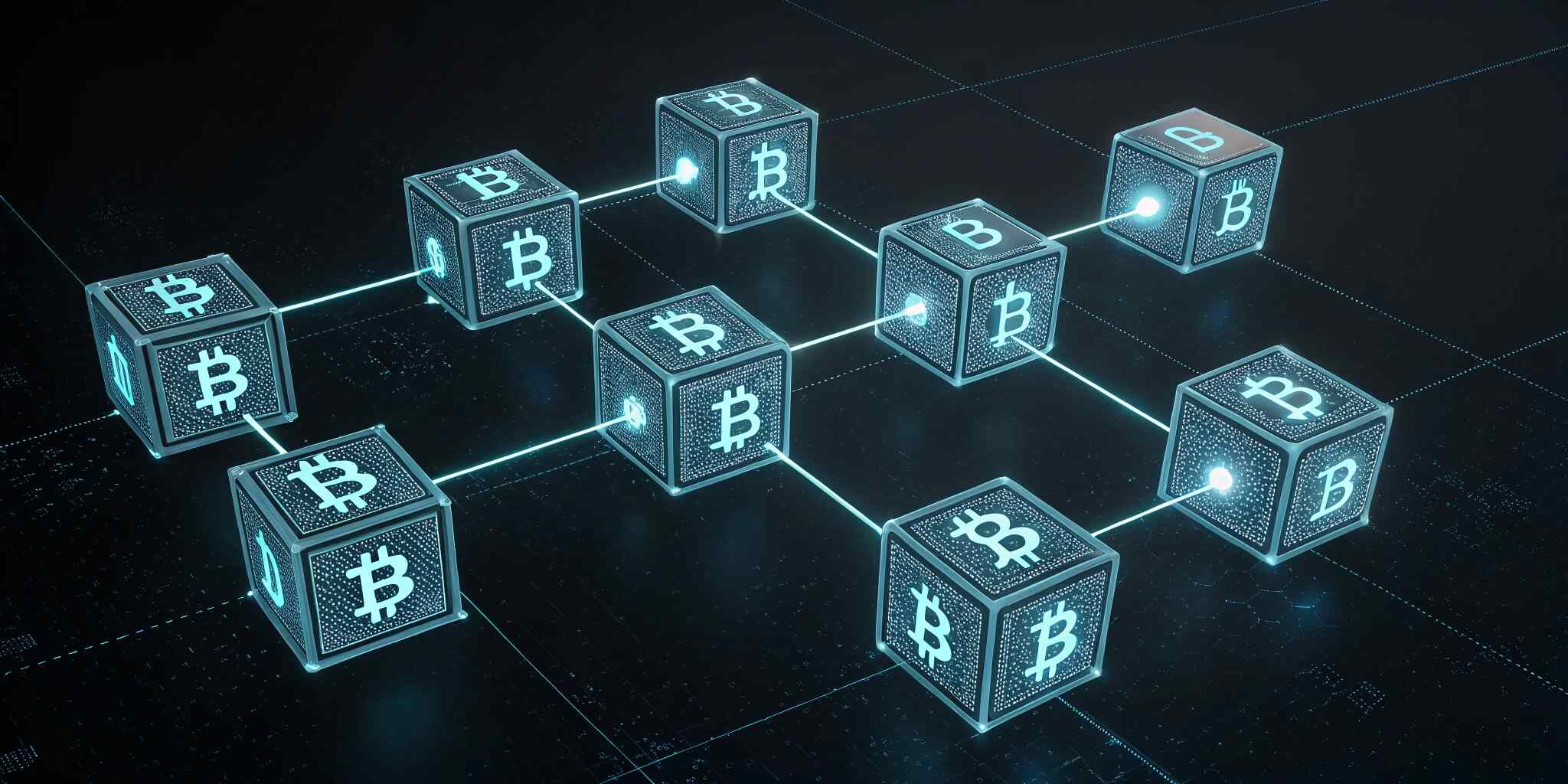
When most people hear the word “blockchain,” they immediately think of cryptocurrencies like Bitcoin or Ethereum. But blockchain is far more than a digital currency enabler — it’s a transformative technology that’s reshaping industries like supply chain management and healthcare.
As we move into 2025, blockchain is emerging as a trusted solution for data transparency, traceability, and security, making it a cornerstone of digital transformation across global enterprises. Let’s explore how blockchain technology is driving innovation in these two critical sectors.
1. Understanding Blockchain Beyond Crypto
At its core, blockchain is a distributed ledger — a shared database that records transactions across multiple computers, ensuring that records are immutable and transparent.
Unlike traditional databases controlled by a single entity, blockchain operates on decentralization, where every transaction is verified by consensus and cannot be altered retroactively.
This inherent trustless system makes it ideal for applications that require data integrity, such as tracking goods in a supply chain or safeguarding patient information in healthcare systems.
2. Blockchain in Supply Chain Management
a. Enhancing Transparency and Traceability
Supply chains often involve multiple stakeholders — manufacturers, distributors, suppliers, and retailers — leading to fragmented information systems. Blockchain bridges these gaps by creating a single, immutable source of truth for every transaction.
Each product can be assigned a unique digital identity, allowing stakeholders to trace its origin, manufacturing process, and journey through the supply chain in real time. This not only minimizes fraud and counterfeiting but also ensures authenticity and compliance with regulatory standards.
b. Streamlining Logistics and Reducing Delays
Smart contracts — self-executing agreements coded on the blockchain — can automate routine tasks like payments, shipping confirmations, and customs clearance. This reduces paperwork, minimizes human error, and accelerates logistics operations.
For example, IBM’s Food Trust platform uses blockchain to track the origin of food items, reducing contamination risks and improving recall efficiency.
c. Building Consumer Trust
With increasing consumer demand for transparency, blockchain allows customers to verify product authenticity — from ethical sourcing of materials to fair-trade compliance. This transparency strengthens brand reputation and customer loyalty.
3. Blockchain in Healthcare
a. Securing Patient Data
Healthcare systems handle enormous amounts of sensitive data — from medical histories to lab results. Unfortunately, traditional systems are prone to breaches and inefficiencies. Blockchain addresses these issues through immutable and encrypted records, where only authorized users can access or modify data.
Patients can control their own digital health identities, deciding who can access their records and when. This decentralization not only enhances privacy but also ensures interoperability across hospitals, clinics, and insurance providers.
b. Improving Data Integrity and Coordination
Miscommunication or lost data can be life-threatening in healthcare. Blockchain ensures that patient records are consistent and up to date, enabling seamless collaboration among healthcare professionals.
For instance, if a patient visits multiple hospitals, blockchain ensures that all providers see the same verified data, preventing duplication and errors.
c. Streamlining Drug Supply Chains
Counterfeit drugs are a global health crisis, costing billions annually and endangering lives. Blockchain allows end-to-end tracking of pharmaceuticals from manufacturer to patient, ensuring authenticity and regulatory compliance.
Projects like MediLedger are already using blockchain to verify the legitimacy of drugs in distribution channels.
4. Shared Benefits Across Both Industries
Whether in supply chains or healthcare, blockchain provides shared advantages:
- Enhanced transparency: Every transaction is traceable and verifiable.
- Stronger security: Data tampering is nearly impossible.
- Reduced fraud: Immutable records prevent falsification.
- Automation: Smart contracts reduce manual processes.
- Cost efficiency: Less paperwork and fewer intermediaries lower operational expenses.
These shared benefits demonstrate blockchain’s potential to revolutionize multiple sectors simultaneously, paving the way for trust-driven ecosystems.
5. Challenges and the Road Ahead
Despite its promise, blockchain adoption faces obstacles — including scalability issues, regulatory uncertainty, and integration complexity. Many legacy systems aren’t yet equipped to connect with decentralized frameworks.
However, advances in Layer 2 solutions, interoperable blockchains, and AI integration are making implementation more practical. By 2025, we can expect blockchain to become a standard for secure data management across industries.
Conclusion
Blockchain has evolved from a niche cryptocurrency enabler into a revolutionary digital infrastructure reshaping how industries operate.
In supply chains, it ensures authenticity, efficiency, and accountability. In healthcare, it guarantees data integrity, security, and interoperability. Together, these innovations are building a transparent and trustworthy future, where data can move freely — and securely — across global networks.
Blockchain is no longer about coins; it’s about confidence, collaboration, and control in a connected world.