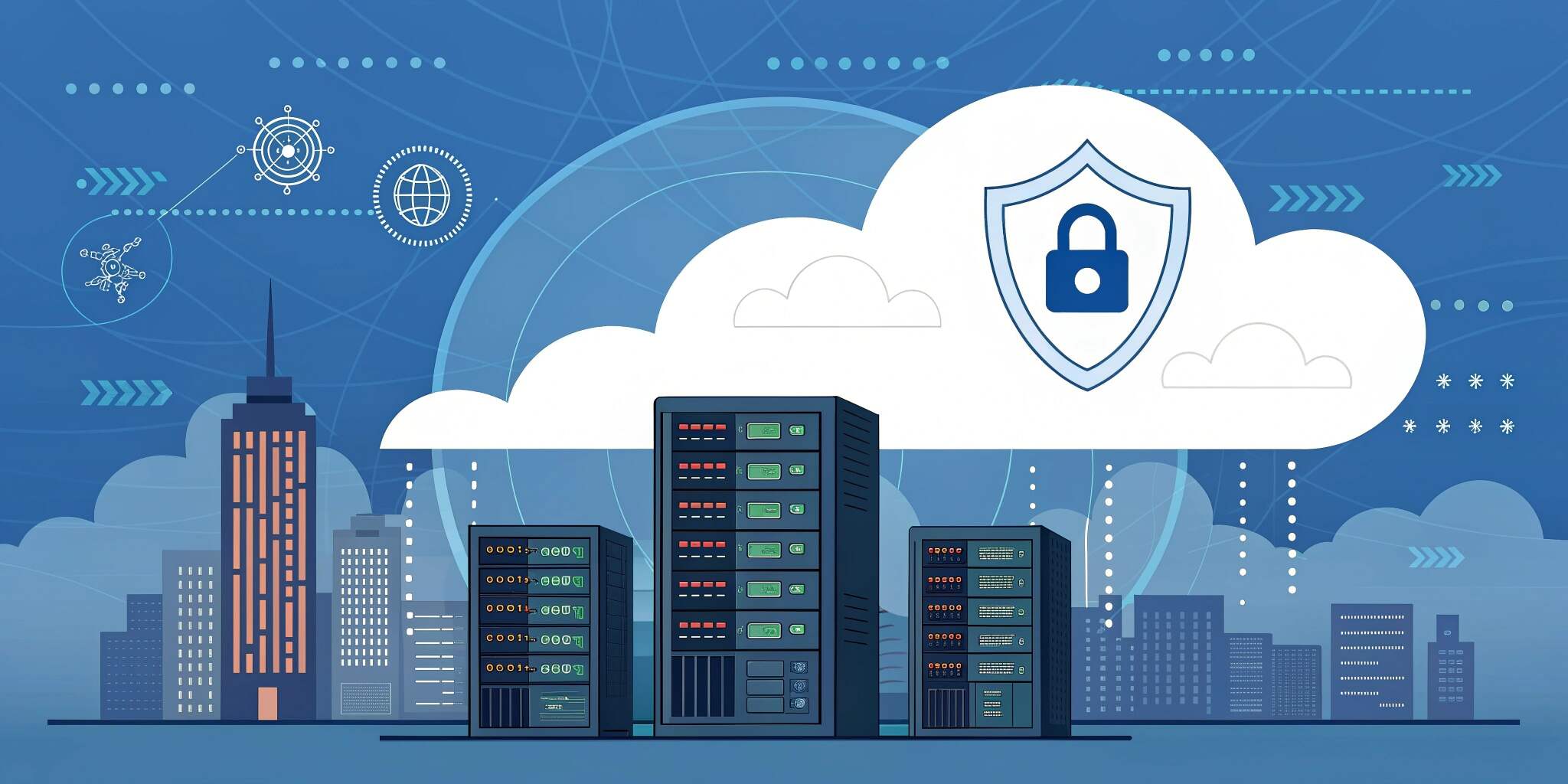
In the ever-evolving digital landscape, data has become the lifeblood of every organization. From small startups to multinational corporations, businesses depend heavily on continuous access to their data for daily operations, decision-making, and customer engagement. However, with the rising threats of cyberattacks, ransomware, hardware failures, and natural disasters, the risk of data loss has never been higher. This is where cloud backup and disaster recovery (DR) emerge as indispensable components of a robust IT strategy, ensuring business continuity and resilience in the face of unexpected disruptions.
Cloud backup refers to storing copies of data and applications on remote cloud servers, allowing businesses to restore lost information easily and securely. Unlike traditional on-premises storage solutions, cloud backups are scalable, automated, and accessible from anywhere. This flexibility ensures that organizations can recover quickly from system crashes or human errors without jeopardizing business operations. Disaster recovery, on the other hand, goes beyond simple data restoration — it focuses on maintaining overall business functionality during and after a crisis by deploying predefined recovery protocols, backup systems, and cloud infrastructure.
One of the biggest advantages of cloud-based disaster recovery is its cost-effectiveness. Traditional disaster recovery systems required dedicated data centers, redundant hardware, and extensive maintenance. In contrast, cloud DR operates on a pay-as-you-go model, eliminating the need for expensive physical infrastructure. Companies can replicate their data and applications across multiple cloud regions, ensuring redundancy and minimizing downtime during disruptions. This not only saves money but also enhances agility, as organizations can scale their backup storage dynamically based on their needs.
In the current digital era, cybersecurity threats have become a leading cause of data loss. Ransomware attacks, in particular, target business-critical data, encrypting it and demanding ransom payments for recovery. Cloud backup solutions mitigate this risk by maintaining immutable and versioned backups, which prevent unauthorized modifications and allow businesses to restore their systems to a clean state instantly. Additionally, leading cloud providers such as Amazon Web Services (AWS), Microsoft Azure, and Google Cloud implement advanced encryption, multi-factor authentication, and real-time monitoring to ensure maximum data protection.
Another crucial aspect of cloud disaster recovery is the concept of RTO (Recovery Time Objective) and RPO (Recovery Point Objective). These parameters determine how quickly systems can be restored and how much data loss is acceptable during an outage. Cloud DR platforms allow businesses to optimize RTO and RPO according to their priorities, ensuring mission-critical applications are restored first. For instance, an e-commerce platform may need its payment systems online within minutes, while analytics operations can tolerate a longer downtime.
The hybrid cloud model has also become a popular approach to backup and disaster recovery. By combining on-premises infrastructure with public or private clouds, businesses gain greater control, security, and flexibility. Critical data can be backed up locally for fast recovery, while long-term or less frequently accessed data can be stored in the cloud. This hybrid setup ensures a balance between performance, cost, and reliability — especially for industries dealing with sensitive information such as healthcare, finance, and government organizations.
Moreover, automation plays a vital role in modern disaster recovery. Automated backup scheduling, system replication, and failover testing help ensure that recovery processes run smoothly without manual intervention. Regular automated testing validates the integrity of backups and helps organizations stay prepared for real-world emergencies. The integration of AI and machine learning in backup systems is further enhancing predictive analysis, identifying potential system failures before they occur, and ensuring proactive recovery measures are in place.
Cloud backup and disaster recovery are not merely about technology — they’re about business resilience. Downtime can cost companies thousands or even millions per hour, not to mention the loss of reputation and customer trust. By implementing a solid DR plan, businesses can minimize operational disruptions, meet compliance requirements, and ensure customer satisfaction even during unforeseen events.
Conclusion:
In a world where digital threats and disasters are inevitable, cloud backup and disaster recovery are no longer optional — they are business imperatives. These technologies empower organizations to protect their most valuable asset: data. By leveraging cloud-based solutions, businesses can achieve agility, security, and reliability while ensuring uninterrupted operations. As we continue to move toward a data-driven future, investing in robust cloud backup and disaster recovery strategies is essential for every enterprise aiming to survive and thrive in an unpredictable digital landscape.