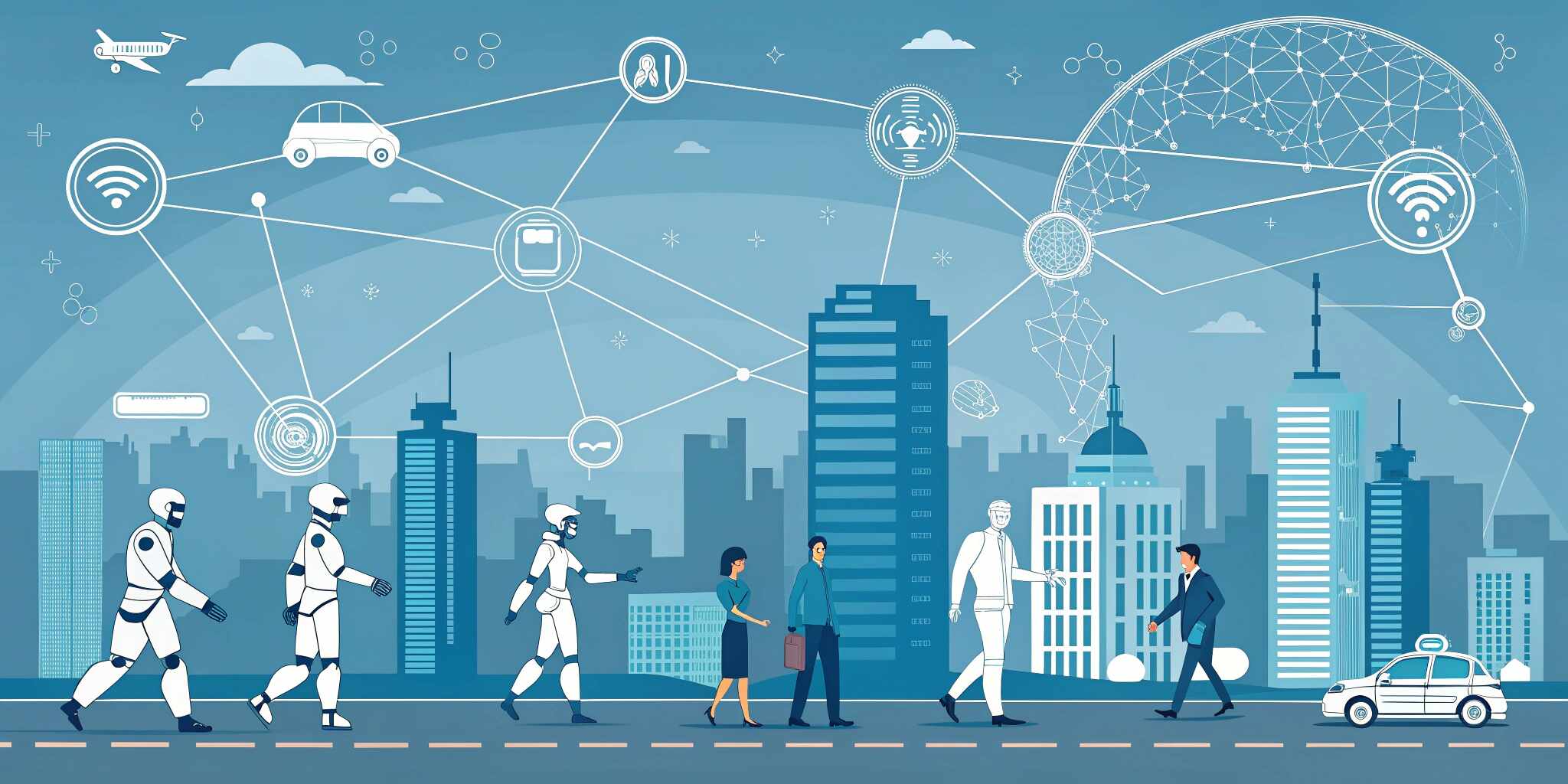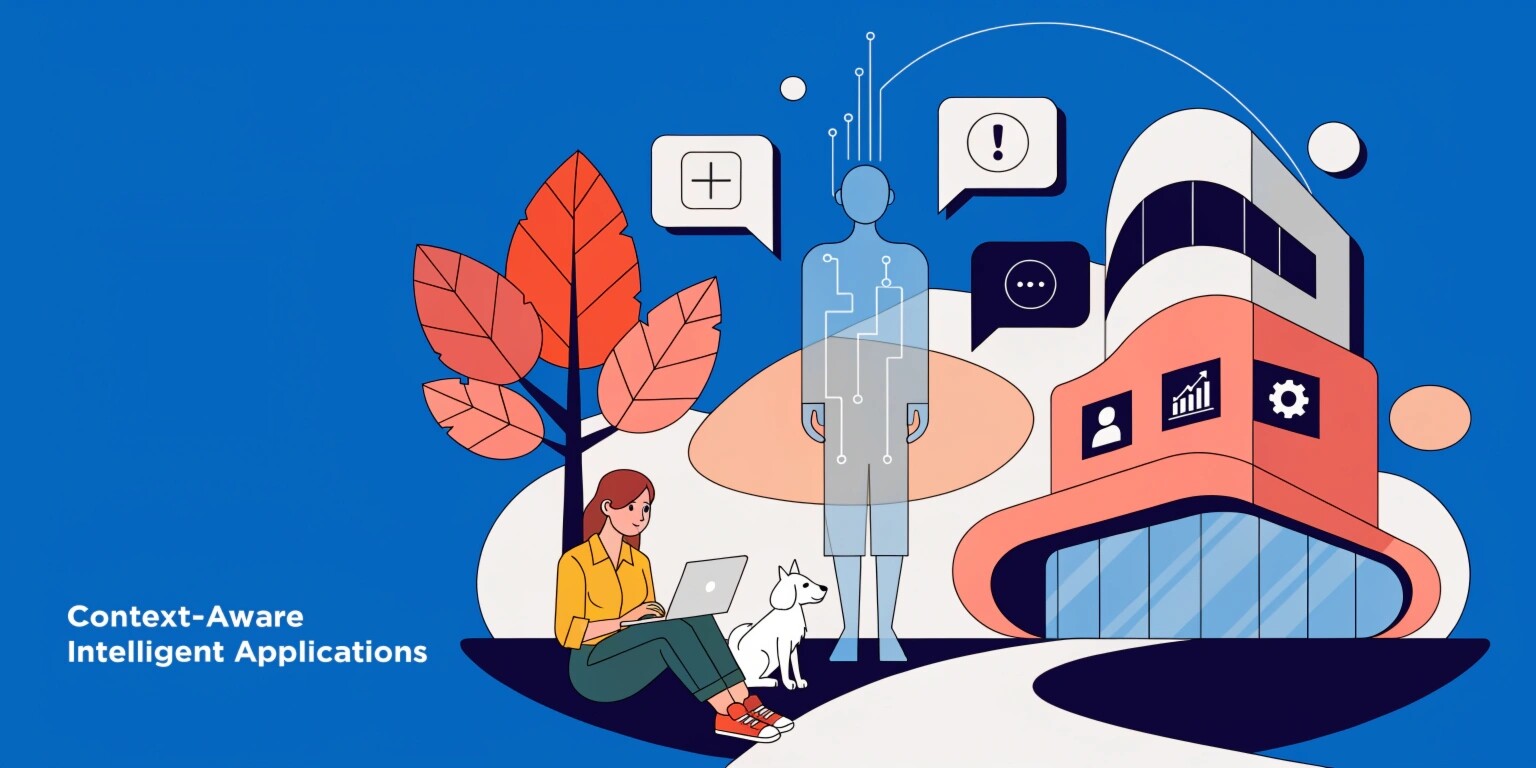
The digital world is rapidly evolving from static software systems to intelligent applications capable of understanding user behavior, preferences, environments, and intentions. Modern users expect applications to provide personalized experiences, anticipate their needs, and deliver relevant information at the right moment.
This shift has given rise to Context-Aware Intelligent Applications, a new generation of software that combines artificial intelligence, machine learning, data analytics, and real-time contextual information to create adaptive and personalized user experiences.
From virtual assistants and smart healthcare platforms to intelligent e-commerce systems and connected IoT ecosystems, context-aware applications are reshaping how businesses interact with users and deliver value.
What Are Context-Aware Intelligent Applications?
Context-aware intelligent applications are software systems that collect, analyze, and respond to contextual information to make smarter decisions and provide personalized experiences.
Context can include:
- User location
- Device type
- Time of day
- User behavior
- Preferences
- Environmental conditions
- Historical interactions
- Business data
- Social interactions
Unlike traditional applications that respond only to direct user input, context-aware systems proactively adapt based on changing situations and real-time information.
These applications continuously learn and improve their responses through artificial intelligence and machine learning algorithms.
Why Context Awareness Matters
Users increasingly expect applications to understand their needs without requiring repeated instructions.
For example:
- Navigation apps suggest optimal routes based on traffic conditions.
- Streaming platforms recommend content based on viewing history.
- Shopping applications personalize product recommendations.
- Banking apps detect unusual transaction behavior.
- Healthcare systems monitor patient conditions and provide alerts.
By understanding context, applications become more useful, efficient, and engaging.
Core Components of Context-Aware Applications
Building intelligent applications requires several key components working together.
Data Collection
Applications gather information from various sources, including:
- Mobile devices
- Sensors
- Wearables
- IoT devices
- Customer interactions
- Enterprise systems
The more relevant contextual data available, the more accurate the application's decisions become.
Data Processing
Raw data must be processed and structured before it becomes actionable.
Advanced analytics platforms filter, classify, and organize information to identify meaningful patterns.
Artificial Intelligence and Machine Learning
AI models analyze contextual information and generate insights, predictions, and recommendations.
Machine learning algorithms continuously improve performance as new data becomes available.
Decision Engines
Decision engines evaluate contextual inputs and determine the most appropriate actions or responses.
These systems enable real-time adaptation and automation.
Real-Time Personalization
One of the most powerful benefits of context-aware applications is personalization.
Traditional personalization often relies on basic user profiles.
Modern intelligent systems go much further by considering:
- Current behavior
- Recent activities
- Location
- Device usage
- Purchase history
- User intent
For example, an e-commerce application can recommend products based not only on past purchases but also on current browsing behavior, seasonal trends, and location-specific preferences.
This level of personalization improves customer engagement and conversion rates.
Applications Across Industries
Context-aware intelligence is transforming numerous industries.
Healthcare
Healthcare applications use contextual information to monitor patients, detect anomalies, and support clinical decision-making.
Examples include:
- Remote patient monitoring
- Personalized treatment plans
- Health risk prediction
- Smart medical alerts
Retail and E-Commerce
Retail businesses leverage contextual intelligence to provide:
- Personalized product recommendations
- Dynamic pricing strategies
- Targeted promotions
- Customer behavior analysis
These capabilities help increase sales and customer satisfaction.
Financial Services
Banks and financial institutions use intelligent applications for:
- Fraud detection
- Risk assessment
- Personalized financial advice
- Credit evaluation
Real-time context significantly improves security and decision-making accuracy.
Transportation and Logistics
Context-aware systems optimize:
- Route planning
- Fleet management
- Traffic predictions
- Delivery scheduling
This improves operational efficiency while reducing costs.
The Role of Artificial Intelligence
Artificial Intelligence serves as the foundation of modern context-aware applications.
AI technologies enable applications to:
- Understand user behavior
- Predict future actions
- Detect patterns
- Automate workflows
- Generate recommendations
Advanced AI models can process large volumes of structured and unstructured data, allowing applications to respond intelligently to changing conditions.
As AI capabilities continue to improve, context-aware applications will become even more sophisticated and accurate.
Context Awareness in Mobile Applications
Mobile applications are among the most common examples of contextual intelligence.
Modern mobile apps leverage:
- GPS location services
- Device sensors
- User activity data
- Usage patterns
- Real-time notifications
Examples include:
- Ride-sharing applications
- Fitness tracking platforms
- Travel booking systems
- Food delivery services
- Smart banking applications
These features create highly personalized experiences that improve user engagement and retention.
Benefits for Businesses
Organizations implementing context-aware intelligent applications can achieve significant advantages.
Improved Customer Experience
Personalized interactions increase satisfaction and loyalty.
Increased Operational Efficiency
Automation reduces manual tasks and improves decision-making.
Higher Revenue Growth
Relevant recommendations and personalized offers improve conversion rates.
Better Data Utilization
Businesses can extract actionable insights from vast amounts of contextual data.
Competitive Advantage
Organizations that deliver highly adaptive experiences often outperform competitors.
Challenges and Considerations
Despite their advantages, context-aware applications present several challenges.
Data Privacy
Organizations must protect user data and comply with privacy regulations.
Security Risks
Large volumes of contextual information require robust cybersecurity measures.
Data Quality
Poor-quality data can lead to inaccurate recommendations and decisions.
System Complexity
Developing intelligent applications requires expertise in AI, analytics, cloud infrastructure, and software engineering.
Proper planning and governance are essential for successful implementation.
Future Trends in Context-Aware Intelligence
Several emerging technologies will shape the future of intelligent applications.
Generative AI Integration
Applications will provide more natural and conversational interactions.
Edge Computing
Real-time contextual processing will occur closer to the user, reducing latency.
IoT Expansion
Connected devices will generate richer contextual insights.
Predictive Automation
Applications will increasingly anticipate user needs before explicit requests are made.
Hyper-Personalization
AI systems will deliver highly individualized experiences based on continuously evolving user contexts.
These advancements will create smarter, more responsive digital ecosystems.
Conclusion
Context-aware intelligent applications represent the next evolution of software development. By combining artificial intelligence, machine learning, real-time analytics, and contextual data, these applications deliver highly personalized, adaptive, and efficient user experiences.
From healthcare and finance to retail and transportation, organizations are leveraging contextual intelligence to improve decision-making, enhance customer engagement, and drive innovation. As AI technologies continue to mature, context-aware applications will become increasingly capable of understanding user needs and responding proactively.
Businesses that invest in context-aware intelligent solutions today are positioning themselves for a future defined by personalization, automation, and data-driven success.