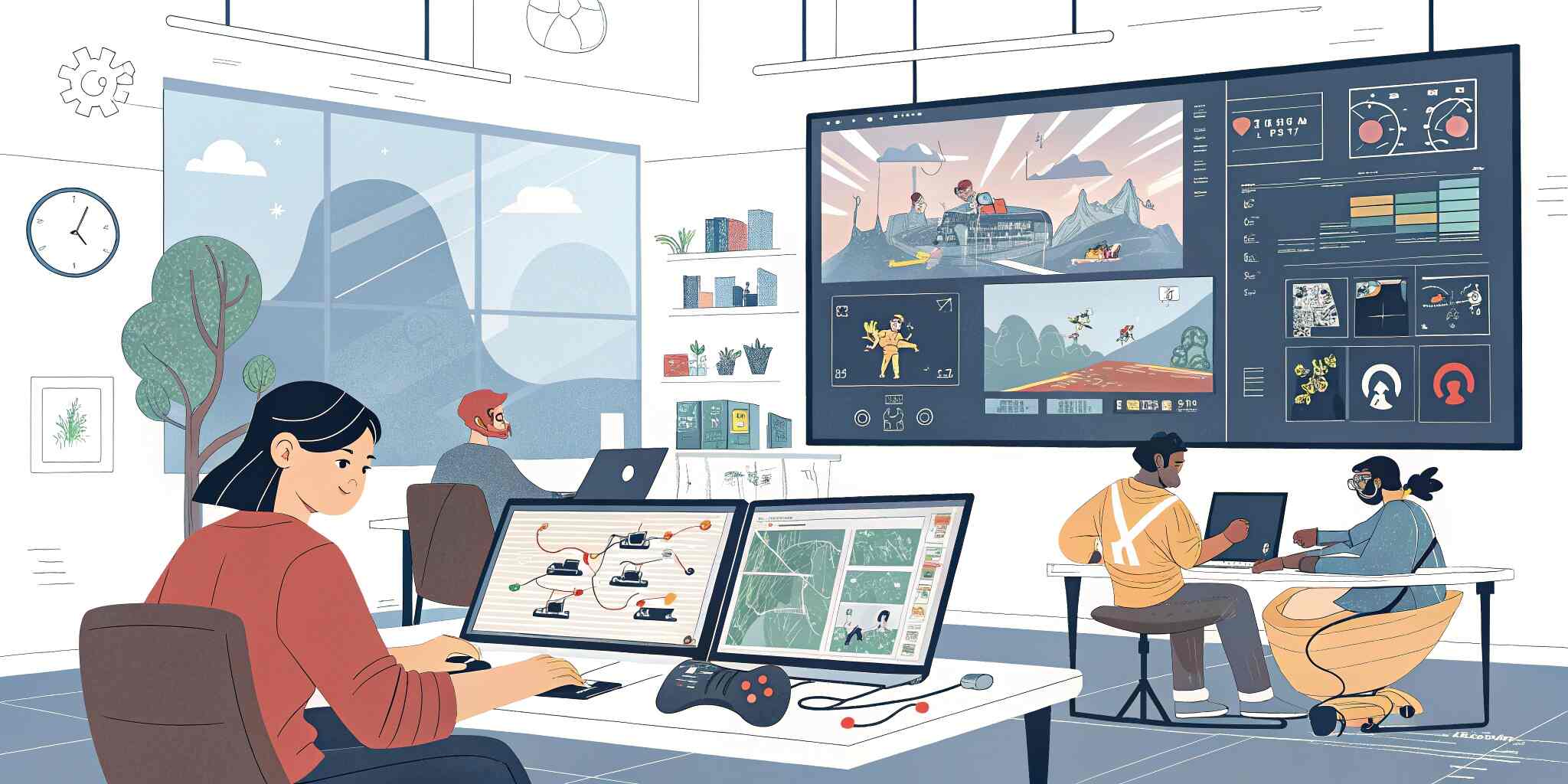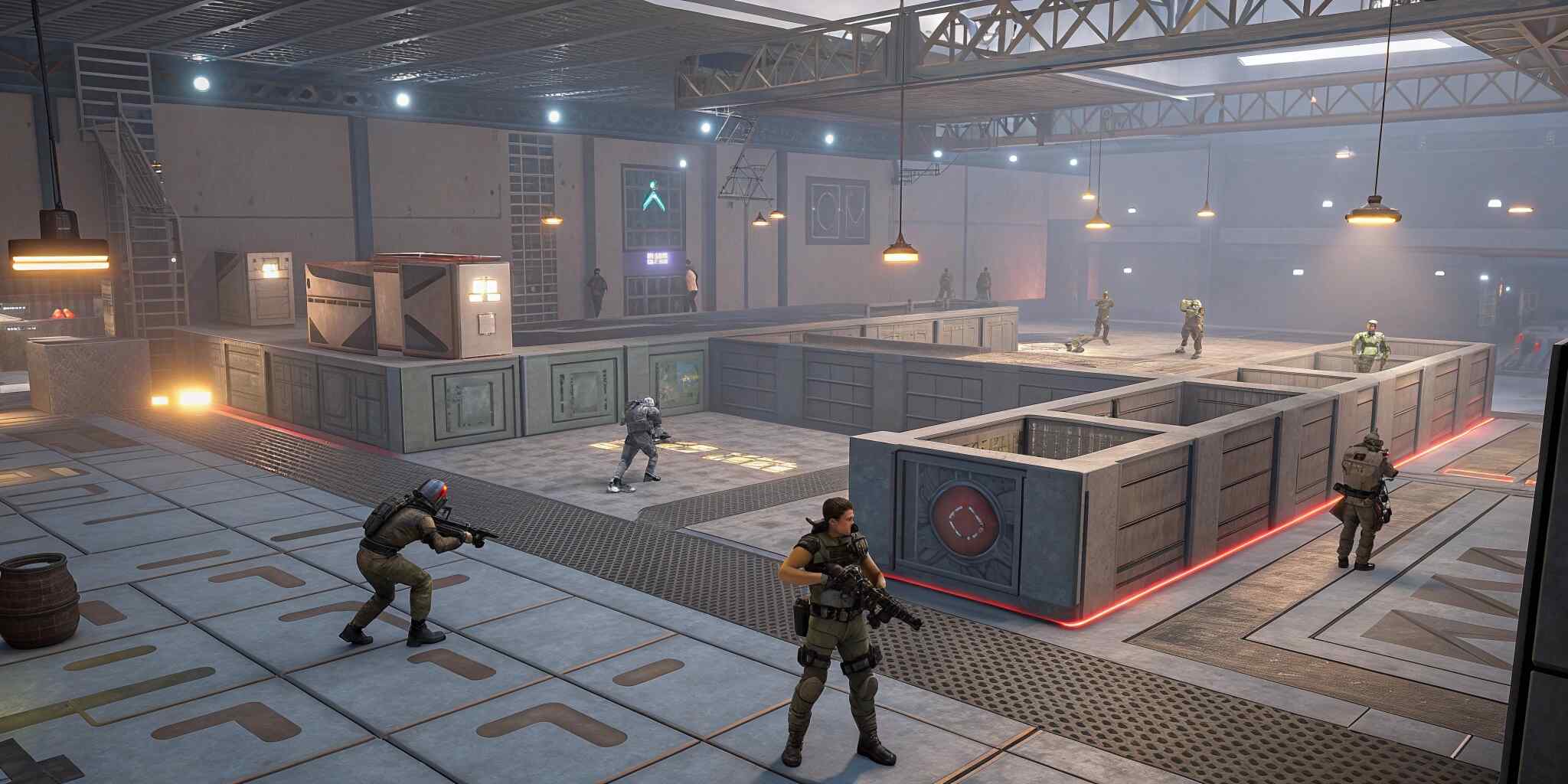
Replay value has become one of the most important measures of a game’s long-term success. In an era of live services, player retention, and content saturation, players expect experiences that feel fresh beyond the first playthrough. Procedural design offers a powerful solution by shifting content creation from handcrafted repetition to system-driven variation, allowing games to remain engaging without endlessly increasing production scope.
At its core, procedural design relies on algorithms and rules to generate content dynamically. Instead of creating every level, enemy, or encounter manually, developers define systems that can assemble these elements in countless combinations. When designed correctly, procedural systems create meaningful variation rather than random noise, ensuring that each playthrough feels distinct while remaining coherent and balanced.
One of the primary ways procedural design enhances replay value is through environmental variation. Procedural level generation allows layouts, terrain features, and spatial challenges to change between runs. Roguelikes and survival games frequently use this approach to prevent players from memorizing optimal paths. Each session demands adaptation, encouraging experimentation and exploration rather than rote execution.
Procedural design also plays a critical role in encounter diversity. Enemy placement, behavior patterns, and difficulty scaling can all be procedurally influenced. By introducing controlled randomness into enemy compositions and AI behaviors, developers ensure that combat encounters remain unpredictable. This unpredictability increases tension and forces players to rely on skill and decision-making instead of memorized strategies.
Another powerful contributor to replay value is systemic interaction. Procedural games often rely on interacting systems rather than scripted sequences. Weather, physics, AI, resource availability, and player abilities can combine in emergent ways, creating unique scenarios without explicit authoring. These unscripted moments are often the most memorable, as players feel they are discovering outcomes rather than following predetermined paths.
Narrative replayability can also benefit from procedural design. While handcrafted stories offer strong emotional arcs, they often lose impact on repeat playthroughs. Procedural narrative systems introduce branching outcomes, variable character relationships, and dynamic quest generation. By changing narrative contexts and consequences, games encourage players to explore alternative decisions and perspectives, extending engagement beyond a single storyline.
However, procedural design is not about pure randomness. Successful procedural systems rely on constraints and authored intent. Developers define rules that guide generation toward meaningful outcomes. These constraints ensure pacing, thematic consistency, and fairness. Without careful control, procedural content risks feeling repetitive, unbalanced, or incoherent, which can reduce replay value rather than enhance it.
Progression systems further amplify replayability when paired with procedural design. Unlockable abilities, meta-progression, and evolving mechanics encourage players to return even when content is familiar. Procedural variation ensures that new tools are tested in fresh contexts, preventing stagnation and reinforcing mastery over time.
From a production standpoint, procedural design offers scalability benefits. Instead of creating large volumes of static content, developers invest in robust systems that generate value continuously. This approach reduces content exhaustion, supports live updates, and allows smaller teams to compete with larger studios in terms of longevity and player engagement.
Despite its advantages, procedural design requires careful testing and iteration. Edge cases, unintended difficulty spikes, and emergent exploits can undermine the experience if left unchecked. Developers must monitor player behavior, gather data, and refine generation rules over time. Replay value emerges not from infinite randomness, but from systems that consistently produce interesting decisions.
In conclusion, creating replay value through procedural design is about empowering systems rather than scripting outcomes. By combining controlled randomness, systemic interaction, and thoughtful constraints, developers can deliver games that feel fresh across dozens or even hundreds of hours. When players return not because content is new, but because possibilities remain unexplored, procedural design has achieved its greatest success.