Introduction: The Rise of Cross-Platform Gaming
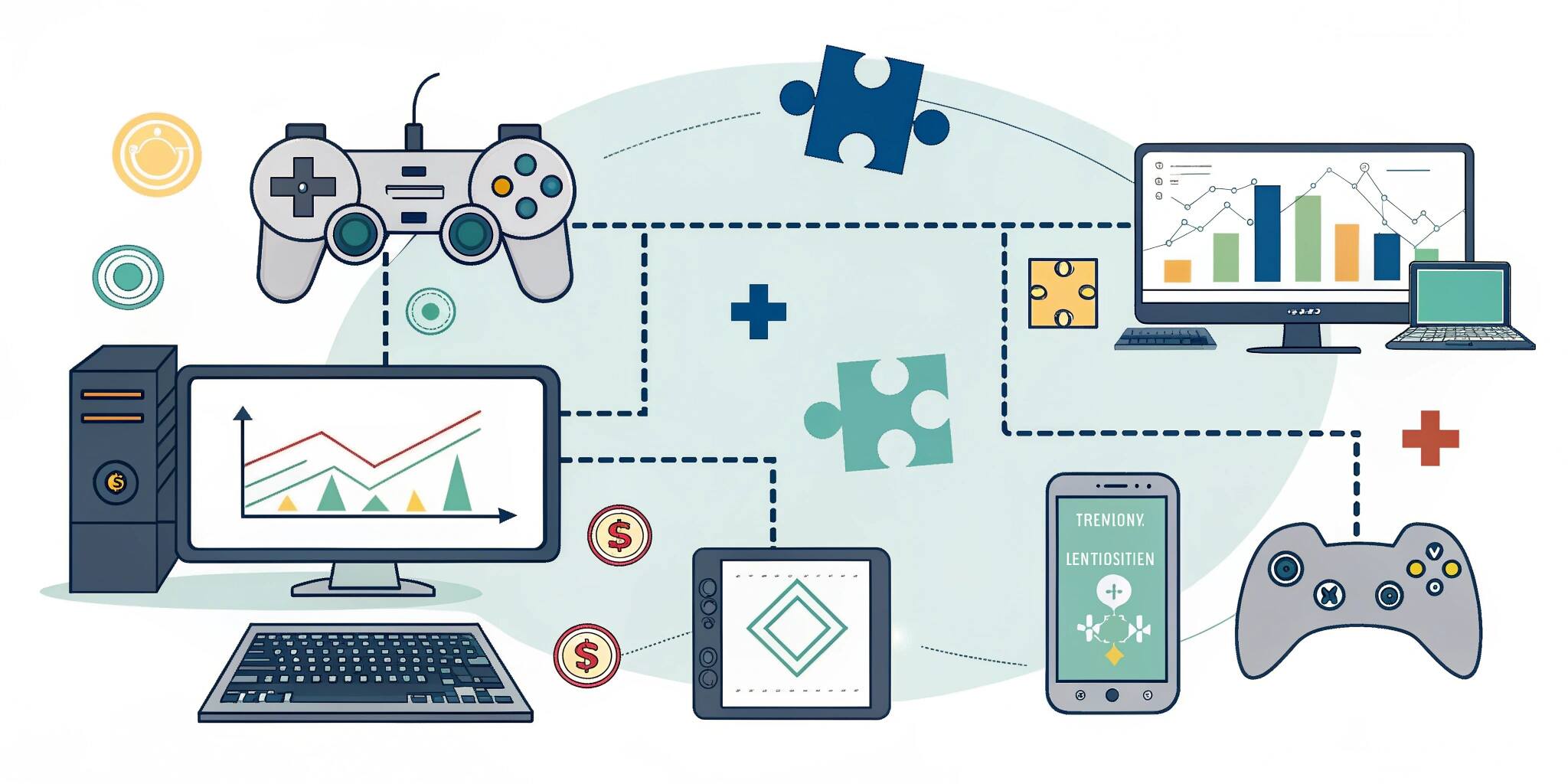
Cross-platform play, often called crossplay, has become a major expectation among modern gamers. Titles like Fortnite, Call of Duty: Warzone, and Minecraft allow players on PC, console, and mobile to compete together. While crossplay boosts community engagement and player retention, it comes with technical hurdles and business negotiations that developers must navigate carefully.
1. Technical Challenges of Cross-Platform Play
Networking & Infrastructure:
Different platforms often use different networking stacks and protocols. Ensuring smooth communication across Xbox Live, PlayStation Network, Steam, and mobile servers requires robust backend systems.
Input & Control Balance:
PC players with mouse and keyboard may have an advantage over console or mobile players. Developers must implement input-based matchmaking or aim-assist systems to keep competition fair.
Performance Variability:
Mobile devices, consoles, and PCs differ drastically in processing power. Games must scale graphics, frame rates, and features without breaking gameplay parity.
Patch & Update Synchronization:
Crossplay requires that all platforms run the same game version. Any delay in certification or patch release on one platform can disrupt the entire ecosystem.
Cheating & Security:
PC platforms are more vulnerable to hacks compared to closed ecosystems like consoles. Anti-cheat systems must adapt across all devices while avoiding false positives.
2. Business Challenges of Cross-Platform Play
Platform Restrictions:
Sony, Microsoft, and Nintendo have historically restricted crossplay due to competitive concerns. While attitudes are changing, policies and revenue-sharing rules can still create roadblocks.
Monetization Models:
Crossplay complicates purchases like skins, passes, or in-game currency. Should items bought on one platform transfer to another? Developers must negotiate with platform holders to enable cross-progression fairly.
Revenue Sharing & Ecosystem Lock-In:
Platform owners prefer to keep players spending in their ecosystems. Crossplay reduces this lock-in, sometimes leading to conflicts between publishers and console makers.
Support & Certification Costs:
Supporting multiple platforms means extra costs for certification, compliance, and customer support. Smaller studios may struggle with these demands.
Player Identity & Accounts:
Managing player accounts across ecosystems is tricky. Developers often rely on unified accounts (like Epic Games or Activision IDs), but this adds complexity in terms of data privacy and GDPR compliance.
3. Case Studies of Crossplay Success and Struggle
- Fortnite: Epic Games pushed crossplay aggressively, even challenging Sony’s initial resistance. Its unified Epic ID system now allows cross-progression.
- Rocket League: Adopted crossplay early but faced matchmaking balance challenges between PC and console players.
- Minecraft: Achieved one of the smoothest crossplay implementations across mobile, console, and PC, though mod support remains inconsistent.
4. The Future of Cross-Platform Play
Crossplay is no longer a luxury—it’s becoming a standard expectation. With cloud gaming, streaming services, and AI-driven matchmaking, the technical hurdles may shrink, but business negotiations will remain complex. Developers must balance fair competition, consistent monetization, and player freedom to succeed in the cross-platform era.
Conclusion
Cross-platform play represents the future of multiplayer gaming, but it comes at a cost. From managing server infrastructure to negotiating with platform holders, developers face both technical and business challenges. Those who navigate these effectively can unlock larger player bases, longer game lifespans, and stronger communities.