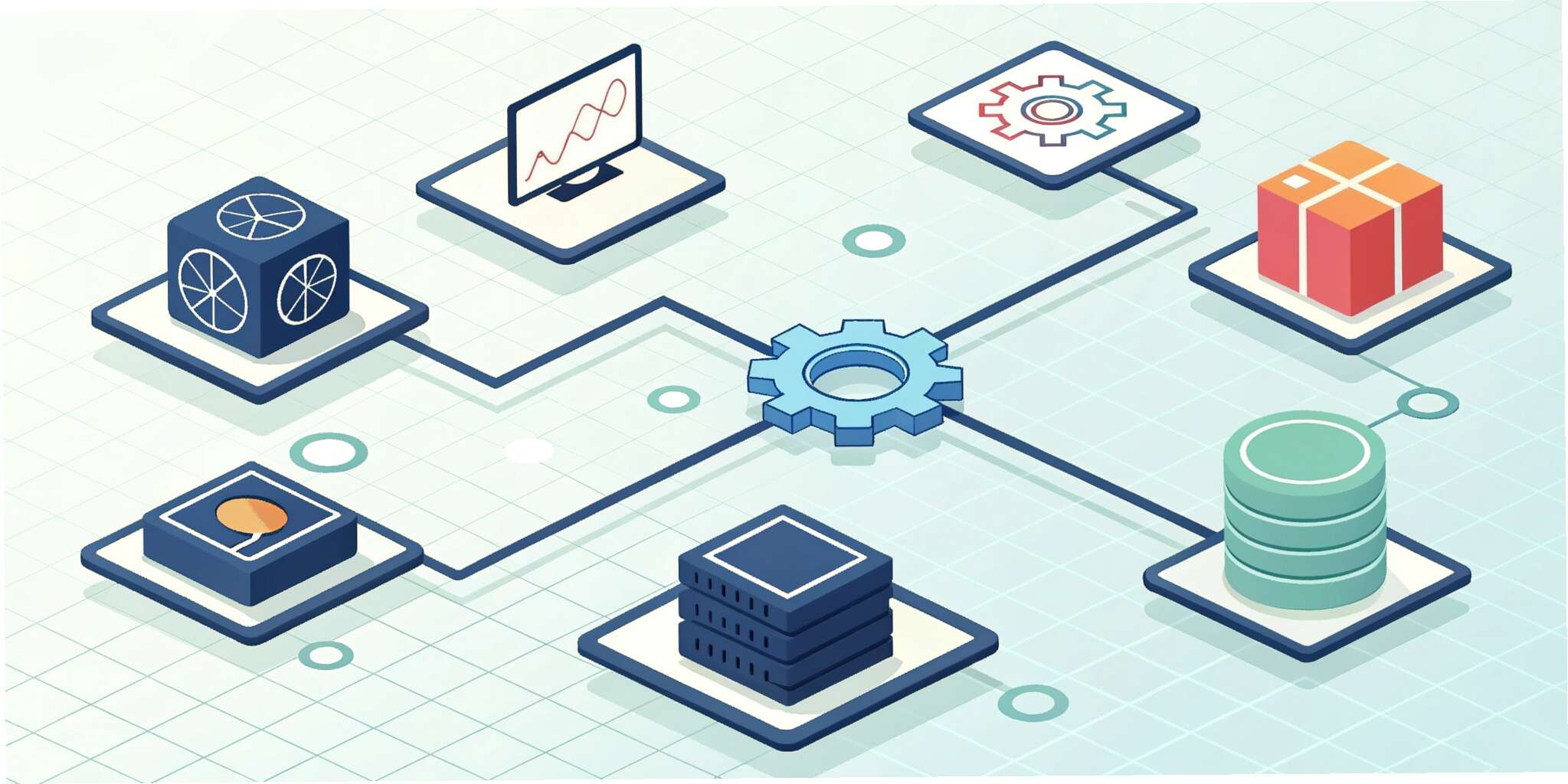
Introduction
In today’s digital-first world, data is at the core of business innovation and decision-making. However, managing data pipelines, ensuring quality, and enabling collaboration across teams has always been a challenge. This is where DataOps comes in. Much like DevOps transformed software development, DataOps is revolutionizing how organizations handle data, ensuring faster, more reliable, and more impactful use of information.
What is DataOps?
DataOps, short for Data Operations, is an agile methodology that combines people, processes, and technology to improve the speed, quality, and reliability of data analytics. It is not just a tool but a cultural shift that encourages collaboration between data engineers, analysts, scientists, and IT teams.
At its core, DataOps focuses on:
- Automating data workflows
- Ensuring data quality and governance
- Shortening the analytics lifecycle
- Encouraging cross-team collaboration
Why Does DataOps Matter?
The need for DataOps stems from the growing complexity of data environments. Organizations are dealing with massive datasets, multiple data sources, and real-time processing needs. Without a streamlined approach, businesses risk making poor decisions based on inaccurate or delayed data.
Here’s why DataOps is critical:
Improved Data Quality
DataOps ensures that data is validated, consistent, and trustworthy, reducing errors in analytics and reporting.
Faster Insights
By automating workflows and breaking silos, DataOps speeds up the delivery of insights to business stakeholders.
Collaboration Across Teams
Just as DevOps bridged the gap between development and operations, DataOps fosters collaboration between data scientists, engineers, and analysts.
Scalability and Flexibility
Modern businesses need to scale data pipelines quickly. DataOps supports scalability by integrating automation and monitoring.
Better Decision-Making
Reliable and real-time data empowers organizations to make data-driven decisions with confidence.
DataOps vs. Traditional Data Management
Traditional data management often relied on siloed teams working in isolation, leading to delays and inconsistent data quality. DataOps, on the other hand, emphasizes continuous integration and continuous delivery (CI/CD) for data, making it more dynamic, collaborative, and agile.
Key Components of DataOps
- Automation: Streamlining repetitive tasks like testing, integration, and deployment.
- Monitoring: Real-time monitoring ensures pipelines run smoothly without bottlenecks.
- Version Control: Applying DevOps-style versioning to data and models.
- Collaboration Tools: Facilitating communication among cross-functional teams.
- Data Governance: Ensuring compliance with regulations and maintaining data integrity.
The Future of DataOps
As organizations continue to embrace digital transformation, DataOps is expected to become a standard practice. With AI, machine learning, and real-time analytics becoming more prevalent, DataOps will play a vital role in ensuring that businesses can trust and act on their data.
Conclusion
DataOps is more than just a buzzword—it’s a methodology that empowers businesses to maximize the value of their data. By combining automation, governance, and collaboration, DataOps ensures that data-driven organizations can thrive in today’s fast-paced digital landscape. For any business that relies on data, embracing DataOps is no longer optional—it’s essential.