technology continues to blur the line between the physical and digital worlds, one innovation is capturing significant attention: Digital Humans. These highly realistic virtual characters are designed to look, move, and communicate like real people. Combined with Real-Time Facial Animation, digital humans are transforming industries ranging from gaming and entertainment to healthcare, education, and customer service.
Advancements in Artificial Intelligence (AI), computer vision, machine learning, and graphics rendering have made it possible to create digital characters capable of expressing emotions, responding to conversations, and interacting naturally with users. What was once limited to science fiction is rapidly becoming a reality.
What Are Digital Humans?
Digital humans are computer-generated characters that replicate human appearance, behavior, speech, and emotions. Unlike traditional avatars, digital humans are designed to be highly realistic and interactive.
Key characteristics include:
- Human-like facial expressions
- Natural speech generation
- Emotional intelligence
- Realistic body movements
- Conversational AI capabilities
- Personalized interactions
Digital humans can be used as virtual assistants, customer support agents, game characters, brand representatives, educators, and even healthcare companions.
Understanding Real-Time Facial Animation
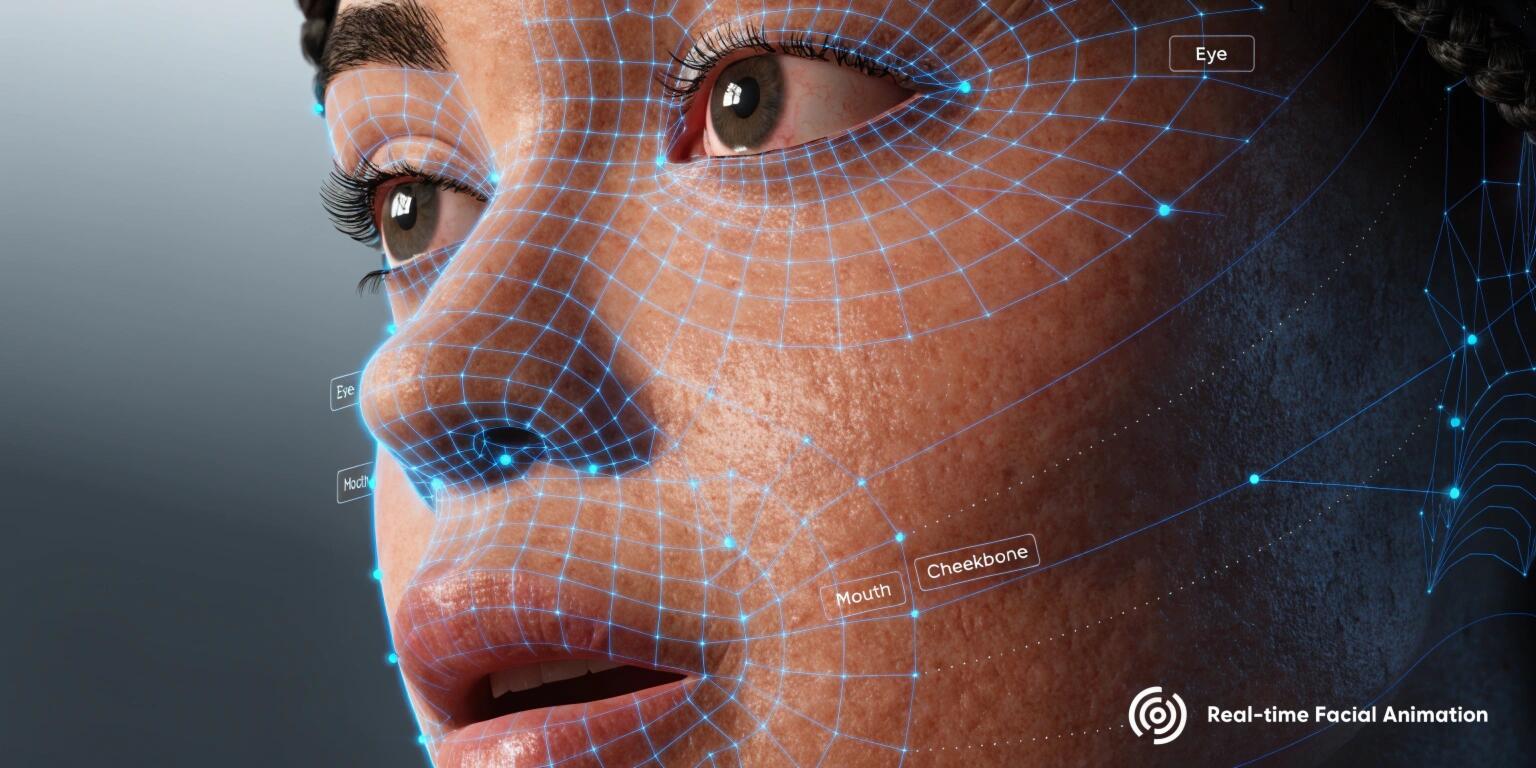
Real-time facial animation refers to the process of instantly capturing and reproducing facial expressions on a digital character.
Using advanced facial tracking technologies, systems can monitor:
- Eye movements
- Eyebrow positions
- Lip synchronization
- Head movement
- Facial muscle activity
- Emotional expressions
The captured data is then translated into animation that drives a digital character in real time.
Unlike traditional animation, which requires hours of manual work, real-time facial animation allows digital characters to react instantly during live interactions.
Technologies Behind Digital Humans
Creating realistic digital humans requires multiple advanced technologies working together.
Artificial Intelligence
AI enables digital humans to understand language, generate responses, and adapt conversations based on user interactions.
Computer Vision
Computer vision systems track facial movements and expressions through cameras and sensors.
Natural Language Processing (NLP)
NLP allows digital humans to understand spoken or written language and respond naturally.
Facial Motion Capture
Specialized cameras and sensors capture detailed facial movements and transfer them to digital models.
3D Rendering Engines
Modern graphics engines generate highly realistic skin textures, lighting effects, and facial details in real time.
Together, these technologies create immersive and believable digital experiences.
Applications of Digital Humans
Gaming Industry
Game developers increasingly use digital humans to create more immersive characters and realistic storytelling experiences.
Benefits include:
- Lifelike NPCs (Non-Playable Characters)
- Dynamic emotional responses
- Realistic dialogue interactions
- Enhanced player engagement
Real-time facial animation helps characters express emotions naturally, making gameplay more engaging.
Virtual Customer Support
Businesses are deploying digital humans as customer service representatives.
These AI-powered assistants can:
- Answer questions
- Guide users through processes
- Provide product recommendations
- Deliver personalized support
Unlike chatbots, digital humans create a more human and engaging experience.
Education and Training
Educational institutions and enterprises use digital humans for:
- Virtual tutoring
- Employee training
- Interactive learning simulations
- Language instruction
Students often respond better to visual and conversational learning experiences.
Healthcare
Healthcare organizations are exploring digital humans for:
- Patient engagement
- Mental health support
- Medical training
- Health education
Virtual healthcare assistants can provide information while improving patient accessibility.
Marketing and Brand Engagement
Brands use digital influencers and virtual ambassadors to interact with customers online.
Benefits include:
- Consistent brand representation
- 24/7 availability
- Global reach
- Personalized customer experiences
Digital humans can participate in live events, product launches, and social media campaigns.
Benefits of Real-Time Facial Animation
Enhanced Realism
Facial expressions significantly improve character authenticity and emotional connection.
Improved Communication
Humans naturally interpret emotions through facial cues, making interactions more intuitive.
Increased Engagement
Users are more likely to engage with lifelike digital characters than traditional interfaces.
Cost Efficiency
Organizations can deploy scalable virtual representatives without the limitations of human staffing.
Global Accessibility
Digital humans can communicate in multiple languages and serve users across different time zones.
Challenges and Limitations
Despite their potential, digital humans face several challenges.
Uncanny Valley Effect
When digital characters appear almost human but not completely realistic, users may experience discomfort.
Technical Complexity
Developing high-quality digital humans requires advanced expertise in AI, animation, and graphics.
Hardware Requirements
Real-time rendering and facial tracking can demand significant computing resources.
Ethical Concerns
Questions surrounding privacy, transparency, and responsible AI usage continue to emerge.
Organizations must ensure users understand when they are interacting with AI-powered digital entities.
Future Trends
The future of digital humans is highly promising.
Emerging trends include:
Hyper-Realistic Avatars
Advancements in rendering technology will make digital humans nearly indistinguishable from real people.
Emotionally Intelligent AI
Future systems will better understand emotions and adapt responses accordingly.
Metaverse Integration
Digital humans will play major roles in virtual worlds, social platforms, and immersive experiences.
Personalized Digital Assistants
Individuals may have customized digital companions for work, learning, healthcare, and entertainment.
Real-Time Multilingual Communication
AI-powered translation will enable digital humans to interact seamlessly across languages.
Conclusion
Digital humans and real-time facial animation represent a significant leap forward in human-computer interaction. By combining AI, facial tracking, natural language processing, and advanced graphics technologies, organizations can create immersive and engaging digital experiences that closely resemble real-world interactions.
From gaming and healthcare to customer service and education, digital humans are opening new opportunities for innovation and engagement. As technology continues to evolve, these intelligent virtual characters will become increasingly realistic, interactive, and integrated into everyday life.
Businesses that embrace digital humans today are positioning themselves at the forefront of the next generation of digital transformation and intelligent applications.