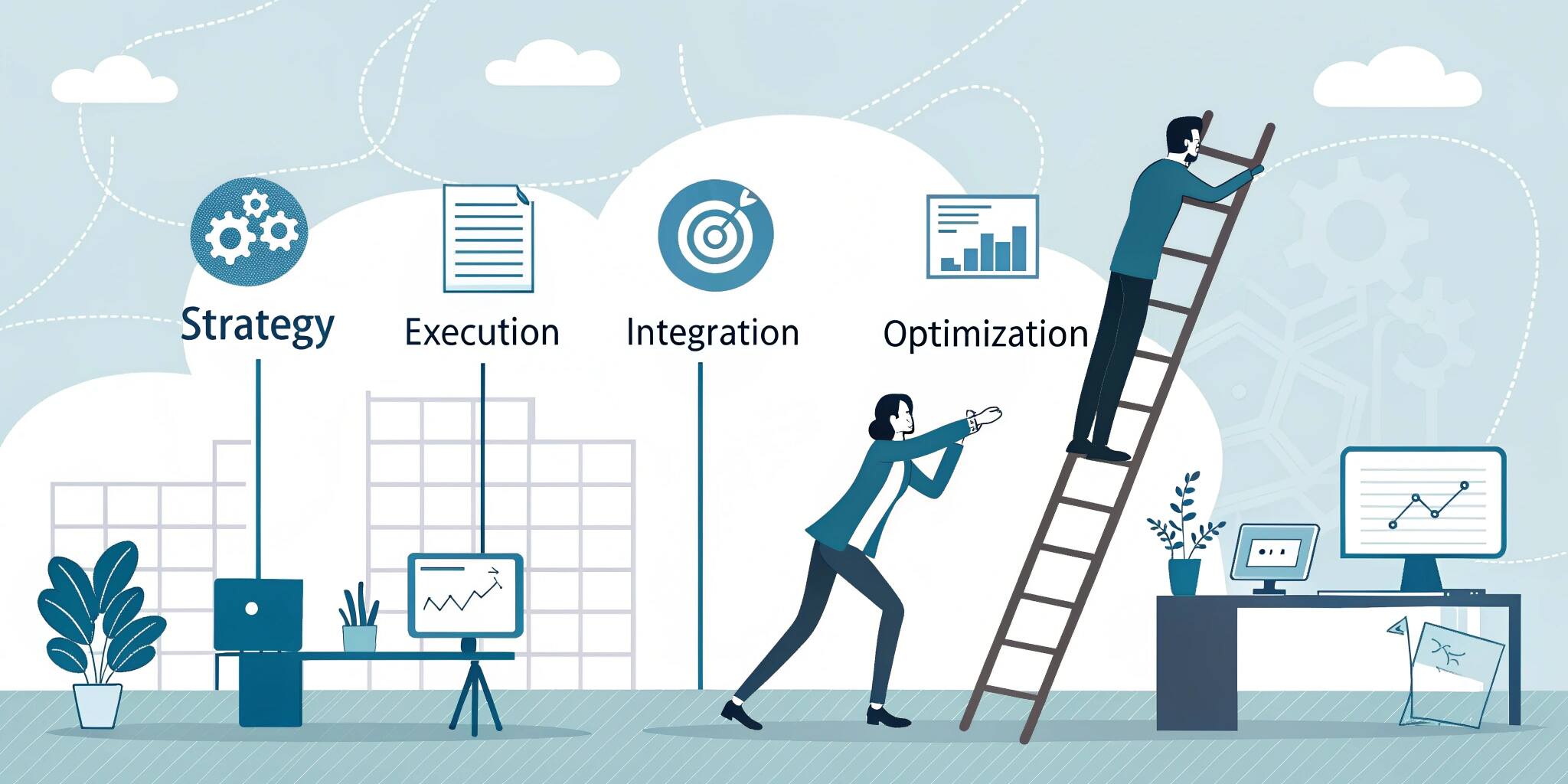
In an era defined by rapid digital change, merely having access to technology is no longer enough. The real differentiator lies in how strategically, efficiently, and innovatively your IT team leverages that technology. This is where Digital Maturity Models come in — offering a structured way to evaluate your IT team’s progress and future readiness.
What Is a Digital Maturity Model?
A Digital Maturity Model is a framework that helps organizations assess their level of digital capability across multiple dimensions — such as technology adoption, process automation, data usage, cultural alignment, and strategic planning.
Rather than being a fixed benchmark, it acts as a roadmap, showing where you are and where you need to go.
Why It Matters to IT Teams
IT teams often serve as the backbone of digital transformation. Understanding digital maturity helps them:
- Align technical capabilities with business goals
- Prioritize investments in tools and training
- Identify process inefficiencies
- Foster innovation and resilience in a competitive landscape
Common Stages of Digital Maturity
While different models may vary slightly, most define five core stages:
- Initial (Ad-Hoc): Limited use of digital tools; processes are mostly manual and siloed.
- Emerging: Basic technologies are in place; some digital initiatives exist but lack integration.
- Defined: Digital strategy is documented; tools and data are better integrated.
- Managed: Digital efforts are optimized, data-driven, and embedded in company culture.
- Optimized (Innovative): The organization continuously evolves through automation, innovation, and emerging tech.
How to Assess Your Team’s Maturity
To find out where your team stands, ask the following questions:
- How integrated are your tools and platforms?
- Is decision-making data-driven?
- How agile is your development and deployment cycle?
- Are digital initiatives aligned with business strategy?
- Is there a culture of continuous learning and innovation?
Many organizations use third-party assessment tools or internal scoring models to quantify their maturity level.
Steps to Advance Your Digital Maturity
No matter where your team currently stands, you can move forward by:
- Developing a clear digital strategy aligned with business goals
- Upskilling your team through continuous training
- Improving data practices, from collection to analysis
- Adopting modern infrastructure, such as cloud-native architecture
- Fostering cross-functional collaboration between IT and business units
Challenges Along the Way
Progressing in digital maturity is not without hurdles. Common challenges include:
- Resistance to change
- Budget constraints
- Legacy systems
- Lack of leadership buy-in
- Skills gaps in emerging technologies
Overcoming these requires a mix of strong leadership, strategic vision, and a people-first approach.
Conclusion
Understanding your IT team’s digital maturity isn’t just about ticking off boxes—it’s about becoming future-ready. By evaluating your current stage, setting clear goals, and committing to continuous improvement, you’ll empower your IT team to drive innovation, efficiency, and real business value.
So, where does your IT team stand? Now’s the time to find out—and level up.