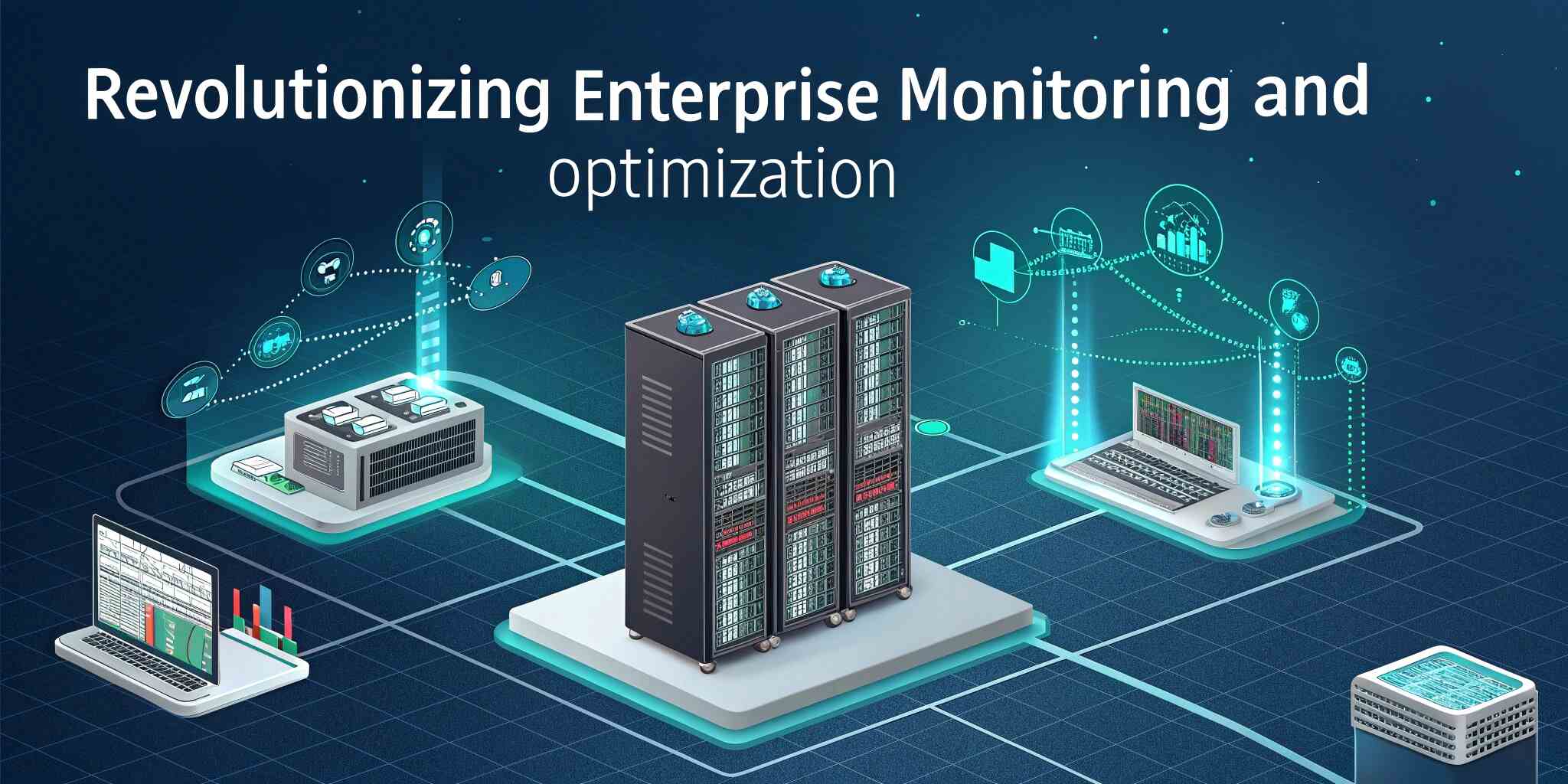
Modern enterprises operate in increasingly complex IT environments, where multiple data centers, hybrid cloud platforms, network devices, and critical applications must work seamlessly together. Maintaining performance, preventing downtime, and optimizing resource allocation has become more challenging than ever. Digital twins offer a transformative solution by creating real-time virtual replicas of physical IT infrastructure, enabling organizations to monitor, analyze, and optimize their systems with unprecedented precision.
A digital twin is a dynamic, real-time simulation of a physical system. In IT infrastructure, this can include servers, networking hardware, storage units, cloud resources, and even entire data centers. By continuously reflecting the current state of the physical environment, digital twins allow IT teams to visualize operations, detect anomalies, and simulate future scenarios without disrupting live systems. This capability helps organizations proactively address issues and optimize performance.
One of the primary advantages of digital twins is predictive maintenance. Traditional IT maintenance often relies on periodic checks, which can miss early signs of hardware failure or performance degradation. With digital twins, real-time monitoring of system metrics—such as CPU utilization, memory performance, network latency, and storage health—enables predictive alerts. IT teams can proactively schedule maintenance or automatically trigger corrective actions, reducing downtime and avoiding costly disruptions to enterprise operations.
Performance optimization is another critical application. Digital twins allow IT teams to simulate the impact of configuration changes, software updates, or resource reallocations before deploying them in the live environment. For example, adjusting virtual machine allocations, network routing strategies, or load balancing configurations can be tested within the digital twin to ensure optimal outcomes. This reduces the risk of service degradation and ensures smoother operations.
Automation is also enhanced through digital twins. When integrated with AI and AIOps tools, digital twins can recommend or implement adjustments automatically. These adjustments might include optimizing server workloads, rerouting network traffic, or scaling cloud resources. Automation not only improves efficiency but also allows IT teams to focus on strategic initiatives rather than manual system monitoring.
Digital twins also enhance business continuity and disaster recovery planning. By simulating outages, cyberattacks, or network failures in the virtual environment, IT teams can prepare response strategies without risking production systems. This enables enterprises to maintain service availability, recover quickly from incidents, and comply with regulatory requirements.
The benefits extend to cost efficiency. By continuously monitoring and optimizing infrastructure, digital twins help enterprises reduce energy consumption, maximize hardware utilization, and extend the lifespan of IT assets. They also enable better capacity planning, allowing organizations to forecast demand and avoid over-provisioning resources in cloud or on-premise environments.
Despite their advantages, implementing digital twins requires careful planning. High-quality data collection is essential, including metrics from servers, network devices, applications, and environmental sensors. Integration across cloud and on-premise systems can be complex, and real-time synchronization demands robust infrastructure. Security is another consideration; digital twins must be protected from cyber threats, as they mirror sensitive operational data.
Looking ahead, digital twins are set to become a cornerstone of enterprise IT modernization. With advancements in AI, IoT, and edge computing, digital twins will evolve to support autonomous infrastructure management, where systems self-monitor, self-heal, and optimize performance with minimal human intervention. Enterprises adopting digital twins early will gain competitive advantages through improved operational efficiency, reduced downtime, and smarter decision-making.
In conclusion, digital twins in IT infrastructure represent a paradigm shift in how enterprises manage, optimize, and secure their systems. By providing real-time visibility, predictive insights, and simulation capabilities, digital twins empower organizations to proactively address challenges, enhance performance, and prepare for the future of intelligent, autonomous IT operations.