The workplace has evolved dramatically over the past few years, driven by rapid technological advancement and the rise of hybrid work models. The digital workplace—a combination of technology, culture, and collaboration—has become the new foundation of modern organizations. As businesses adapt to the post-pandemic era, digital workplace tools are reshaping how employees communicate, collaborate, and perform their daily tasks.
From cloud platforms to artificial intelligence (AI), automation, and virtual collaboration tools, the digital workplace is no longer a futuristic concept—it is today’s reality. These technologies not only enhance productivity but also empower employees to work smarter, faster, and from anywhere in the world.
The Rise of the Digital Workplace
The digital workplace represents a shift from traditional, office-based operations to a flexible, technology-driven environment. It enables employees to collaborate across geographies using cloud-based tools, real-time communication platforms, and intelligent workflow automation systems.
In 2025, this evolution has reached new heights. Companies are investing heavily in digital ecosystems that promote agility, connectivity, and efficiency. The focus is on building smarter workplaces where employees can access information seamlessly, automate routine tasks, and make data-driven decisions.
Key Tools Shaping the Future of Work
1. Cloud Collaboration Platforms
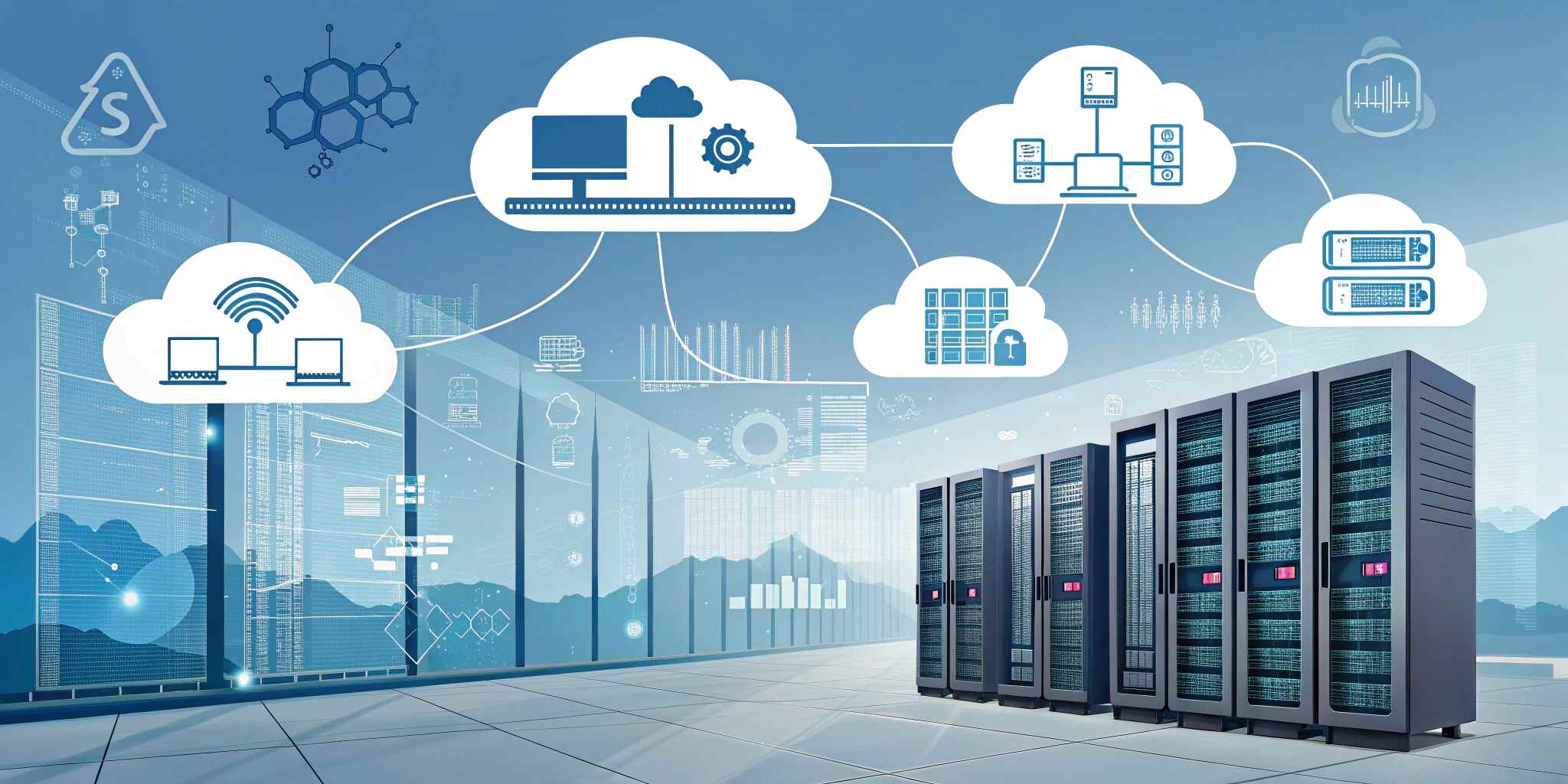
Cloud-based collaboration tools such as Microsoft Teams, Slack, Google Workspace, and Zoom have become the backbone of the digital workplace. They provide centralized communication, file sharing, and video conferencing capabilities, allowing employees to work together effectively regardless of location. These platforms also integrate with project management tools, streamlining workflows and enhancing productivity.
2. Project Management and Workflow Automation Tools
Project management solutions like Asana, Trello, and Monday.com are redefining how teams manage projects and track progress. Combined with workflow automation tools like Zapier and Power Automate, businesses can eliminate repetitive tasks, reduce human error, and ensure seamless coordination between departments.
3. AI and Machine Learning Integration
Artificial Intelligence is revolutionizing workplace efficiency. AI-powered assistants automate scheduling, manage emails, and analyze large data sets to offer insights that improve decision-making. Machine learning algorithms can personalize employee experiences, recommend learning resources, and even predict project risks before they arise.
4. Unified Communication Systems
Unified communication platforms integrate voice, video, chat, and file sharing into a single interface. Tools like Cisco Webex, RingCentral, and Zoom Phone ensure that employees can connect effortlessly, bridging the gap between remote and in-office workers.
5. Digital HR and Employee Engagement Tools
Digital HR systems such as BambooHR and Workday play a critical role in managing employee engagement, payroll, and recruitment in a hybrid environment. AI-driven engagement platforms like CultureAmp or 15Five help organizations measure employee satisfaction, improve communication, and promote well-being.
6. Cybersecurity and Data Management Solutions
As remote work expands, securing digital assets becomes a top priority. Tools like Okta, Duo Security, and Microsoft Defender ensure secure access management, while data encryption and zero-trust frameworks safeguard sensitive business information.
7. Virtual and Augmented Reality (VR/AR) Tools
VR and AR technologies are emerging as innovative training and collaboration tools. Companies use VR for immersive onboarding experiences and AR for virtual design reviews, bridging the physical and digital worlds for better learning and creativity.
Benefits of a Digital Workplace
Implementing digital workplace tools delivers measurable benefits across all aspects of business operations:
- Enhanced Collaboration: Cloud tools enable real-time communication and file sharing, breaking silos and improving teamwork.
- Increased Flexibility: Employees can work from anywhere without compromising productivity or data security.
- Boosted Productivity: Automation reduces manual work, freeing time for strategic initiatives.
- Improved Decision-Making: AI-driven analytics provide actionable insights to guide business strategies.
- Employee Satisfaction: Tools that promote work-life balance and engagement lead to happier, more motivated teams.
A digital workplace also helps businesses become more resilient. In times of disruption, like global crises or rapid market changes, technology ensures continuity and agility.
Challenges in Building a Digital Workplace
Despite its advantages, transitioning to a fully digital workplace comes with challenges. Integrating multiple tools, maintaining cybersecurity, and managing change among employees require strong leadership and planning. Organizations must invest in employee training and adopt a culture of continuous learning to ensure successful implementation.
Moreover, striking a balance between digital efficiency and human connection remains essential. Overreliance on technology can lead to burnout or communication fatigue, so organizations must encourage meaningful interactions alongside digital collaboration.
The Future of Work: A Human-Tech Partnership
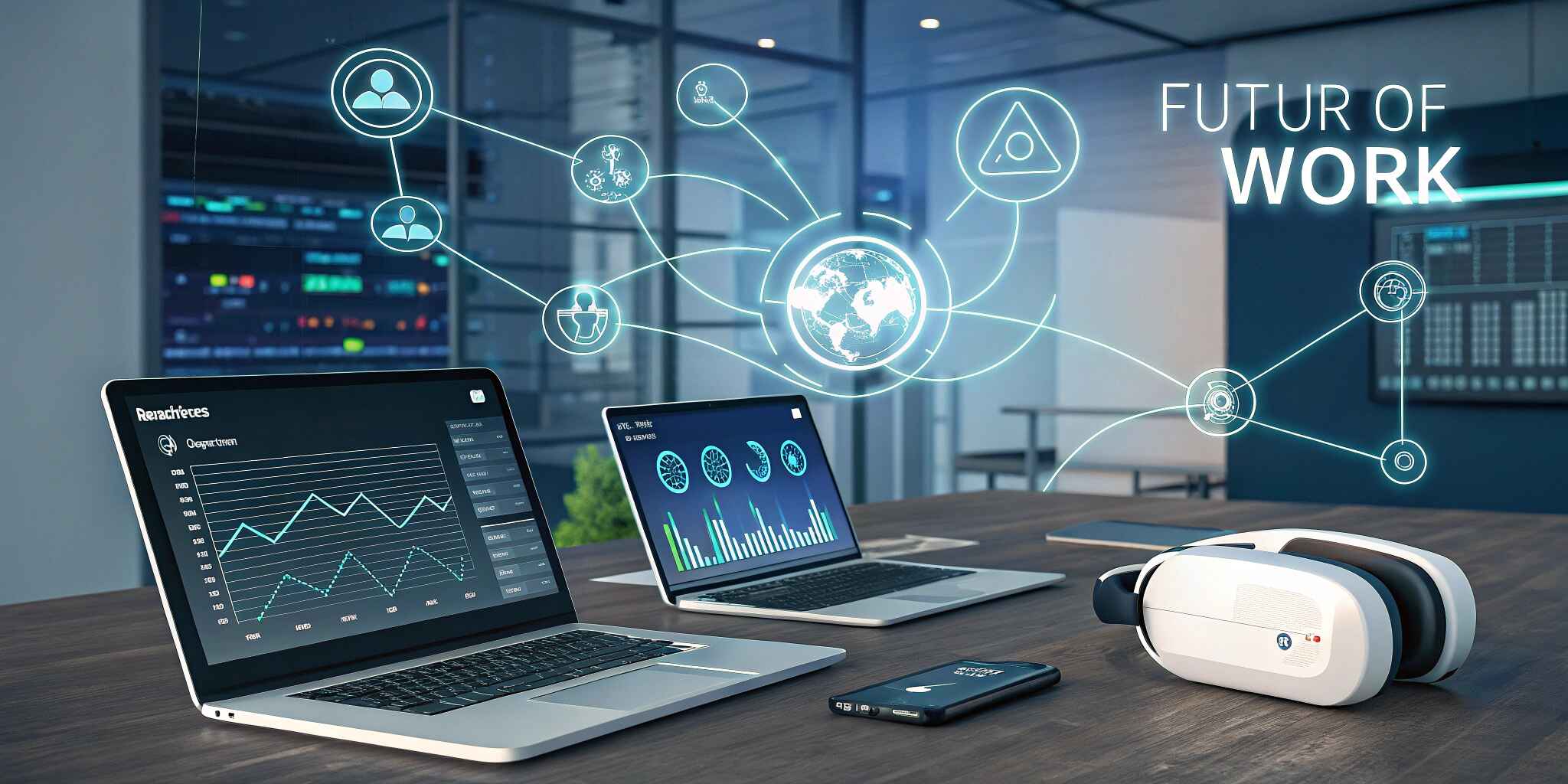
As digital workplace tools continue to evolve, the future of work will focus on human-technology collaboration. The goal is not to replace people but to empower them with smarter tools that enhance creativity and problem-solving.
AI-driven analytics, immersive experiences through AR/VR, and decentralized collaboration enabled by cloud computing will redefine productivity standards. Meanwhile, organizations will prioritize ethical technology use, data privacy, and employee well-being.
In essence, the workplace of the future is digital, connected, and human-centered—a perfect blend of innovation and empathy.
Conclusion
The digital workplace is no longer just a trend—it’s the foundation of modern business success. The right mix of tools, from AI to cloud platforms and automation systems, is shaping how we work, collaborate, and grow.
By embracing digital transformation, organizations can build agile, inclusive, and future-ready workplaces that empower both employees and innovation. The future of work isn’t coming—it’s already here.