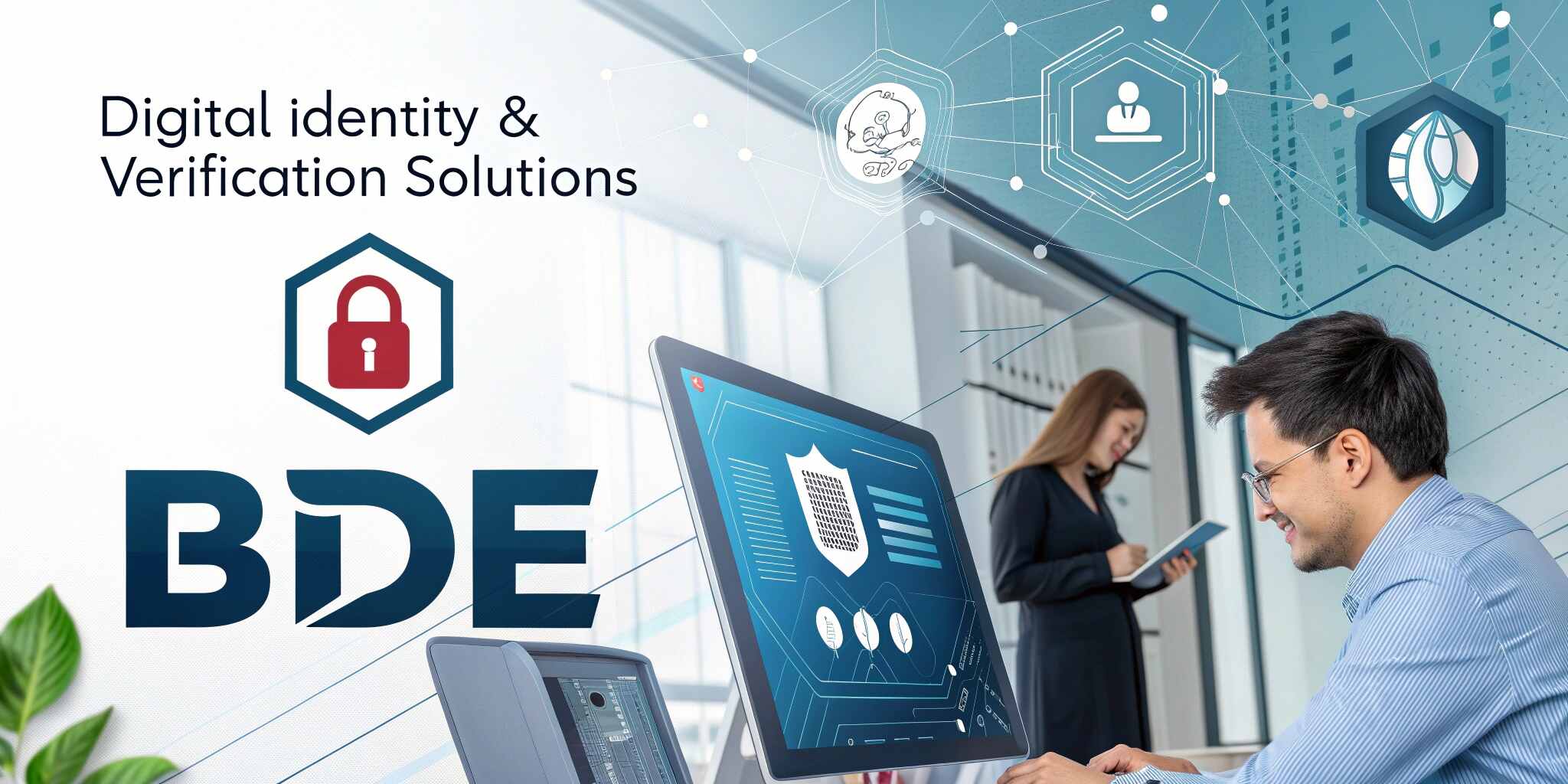
Introduction
In an era where digital interactions dominate, identity verification is more than just checking a name or document. With increasing cyber threats, fraud, and data breaches, there's a pressing need for robust, decentralized, and secure identity systems. This is where BDE (Blockchain & Decentralized Ecosystem) steps in, transforming digital identity from a fragile mechanism into a resilient digital asset.
What Is Digital Identity & Why It Matters
A digital identity refers to the information used by systems to represent external agents—people, organizations, or devices. This includes credentials, biometrics, device fingerprints, and more. Ensuring its authenticity, privacy, and security is vital for:
- Banking & fintech
- Healthcare access
- Government services
- E-commerce
- Remote employment
Challenges in Traditional Identity Systems
- Centralized databases prone to breaches
- Repetitive and manual verification processes
- Lack of user control over personal data
- Poor interoperability across systems
The BDE Advantage in Digital Identity Verification
BDE introduces blockchain-based and decentralized identity (DID) models that solve these challenges:
Decentralization
No single point of failure—data is stored securely across distributed ledgers.
Self-Sovereign Identity (SSI)
Users control their data. Consent is required before sharing identity attributes.
Immutable Records
Identity changes and verifications are traceable and tamper-proof.
Cross-Platform Verification
Easy integration across platforms and jurisdictions via smart contracts and APIs.
Zero-Knowledge Proofs
Verify information without revealing the actual data (e.g., "over 18" without sharing birthdate).
Real-World Applications
- Digital Onboarding: Instant and paperless KYC for banking or hiring.
- Healthcare: Accessing medical records with verified patient identity.
- eGovernment: Digital voting, taxation, and benefit distribution.
- Education: Credential verification for degrees and certifications.
BDE Takeaway: Building Trust at Scale
BDE-driven systems offer a trustless architecture where parties no longer need to rely on intermediaries for verification. The takeaway for businesses and developers:
- Improve user experience with faster verification
- Reduce operational costs and compliance burdens
- Enhance security through cryptographic assurance
- Future-proof systems for Web3 and digital sovereignty
Conclusion
The fusion of digital identity with blockchain and decentralized verification is not just a trend—it’s the foundation of a more secure, inclusive, and privacy-respecting internet. Embracing BDE solutions means enabling a future where users own their identity, and trust is programmable.