Introduction: Designing Beyond Entertainment
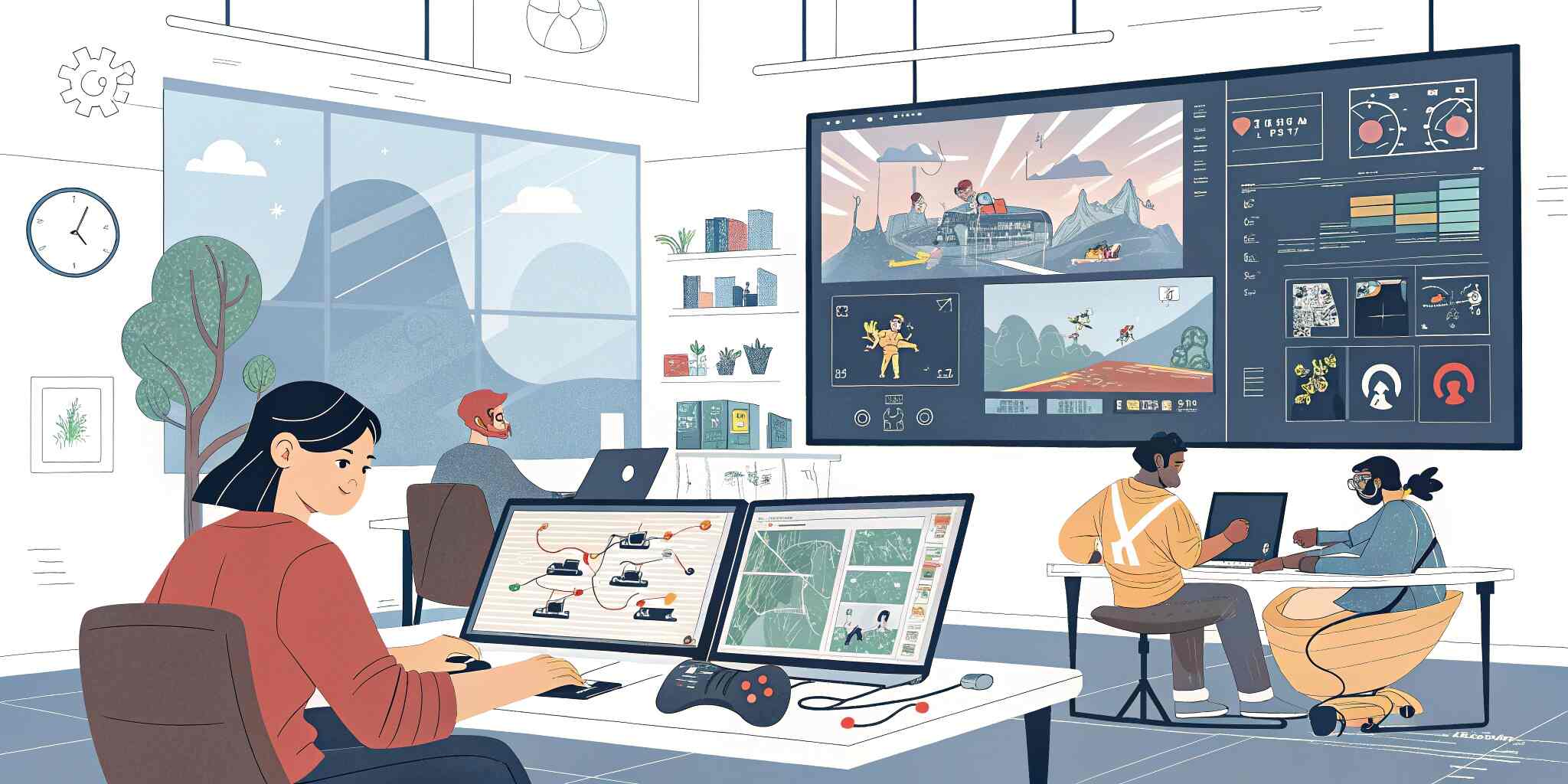
Modern games are not just built for casual fun—they are often crafted with competitive ecosystems in mind. With esports generating billions in revenue and attracting global audiences, designing a game with esports potential is now a strategic goal for many developers. But creating a title that thrives in the esports scene requires more than addictive gameplay. Developers must carefully consider balance, fairness, accessibility, and community-driven features from the earliest stages of development.
1. Core Gameplay: Balance and Fairness Above All
The heart of any competitive game lies in its mechanics. For a title to succeed in esports, it must prioritize fairness. Players should feel that victory comes from skill, strategy, and teamwork, not from random advantages or overpowered elements.
Key considerations include:
- Symmetry in Design: Ensuring no side or faction has inherent advantages.
- Skill Expression: Games should reward mastery of mechanics, reflexes, and decision-making.
- Counterplay: Every strategy must have a viable counter to avoid dominant, unbreakable tactics.
Examples like League of Legends and Counter-Strike: Global Offensive thrive because they maintain competitive integrity through constant balancing updates.
2. Spectator Experience: Designing for Viewers Too
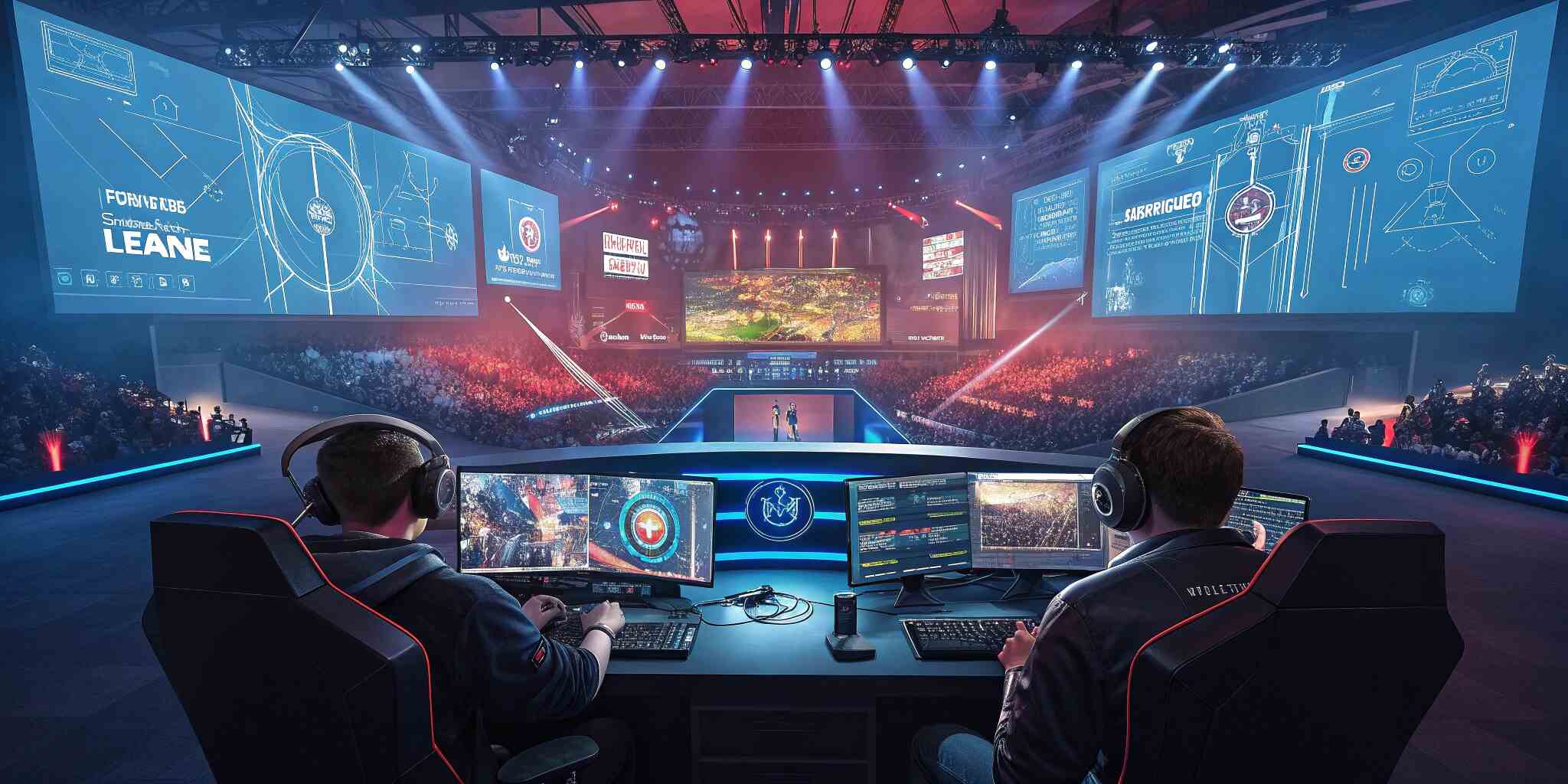
Esports is as much about the audience as it is about players. Developers must design features that enhance the viewing experience:
- Spectator Modes: Free camera controls, team perspectives, and replays enrich broadcasts.
- Clear Visual Language: Effects and HUDs must communicate action clearly, even to casual viewers.
- Highlight Moments: Mechanics that create dramatic plays (e.g., clutch rounds, ultimate abilities) keep viewers engaged.
Without strong spectator design, a game may struggle to attract esports audiences, no matter how fun it is to play.
3. Scalability and Technical Infrastructure
Behind every esports title is robust infrastructure. Games must handle thousands of simultaneous players, smooth online performance, and lag-free competitive matches.
Key technical needs include:
- Low Latency Servers: Essential for fair competition.
- Anti-Cheat Systems: Competitive play demands strict enforcement against cheating.
- Matchmaking Systems: Balanced matchmaking ensures fair skill-based competition.
If technical performance fails, competitive credibility collapses—players and fans lose trust.
4. Community and Ecosystem Support
Esports is fueled by communities. Developers must create ecosystems that encourage player-driven tournaments, modding, and content creation.
Considerations include:
- Open Tournament Tools: Allowing grassroots competitions builds long-term loyalty.
- Communication Platforms: In-game chat, spectator chats, or integrated streaming tools connect communities.
- Developer Involvement: Regular updates, events, and communication maintain trust and engagement.
Dota 2 and Valorant thrive largely because their developers actively engage with both pro players and the wider community.
5. Long-Term Content Strategy
Esports titles are rarely one-off experiences. To remain relevant, they require long-term commitment. Developers must release seasonal updates, new maps, or character additions while keeping competitive balance intact.
- Evolving Meta: New content refreshes gameplay but must be carefully tested to avoid imbalance.
- Monetization Models: Cosmetics and battle passes fund development without creating unfair advantages.
- Player Incentives: Ranking systems, rewards, and recognition motivate continued participation.
6. The Business Side of Esports Design
While design is crucial, business models also shape esports viability. Developers must decide:
- Should the game be free-to-play to maximize accessibility?
- Will tournaments be developer-led or community-driven?
- How can the game attract sponsors, streamers, and media coverage?
These decisions directly impact a game’s competitive scene and financial sustainability.
Conclusion: Designing with Competition in Mind
Esports-ready games are built with precision, foresight, and a deep understanding of both players and audiences. Success requires more than fun mechanics—it demands balance, technical stability, community engagement, and strong long-term strategies.
As competitive gaming continues to grow, more developers are recognizing esports not as an afterthought but as a core design consideration. Games that embrace this mindset stand the best chance of becoming the next big names in global competition.