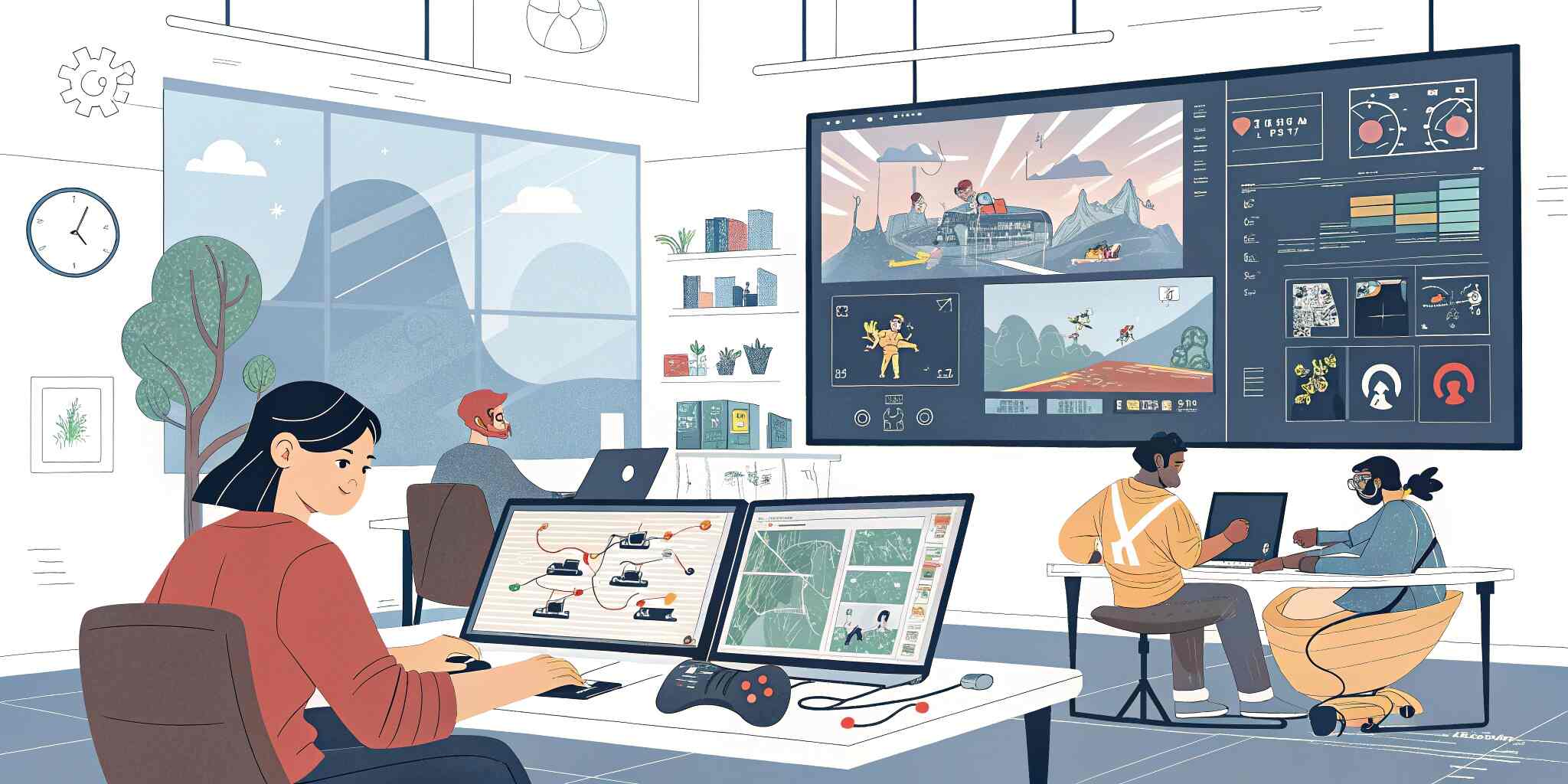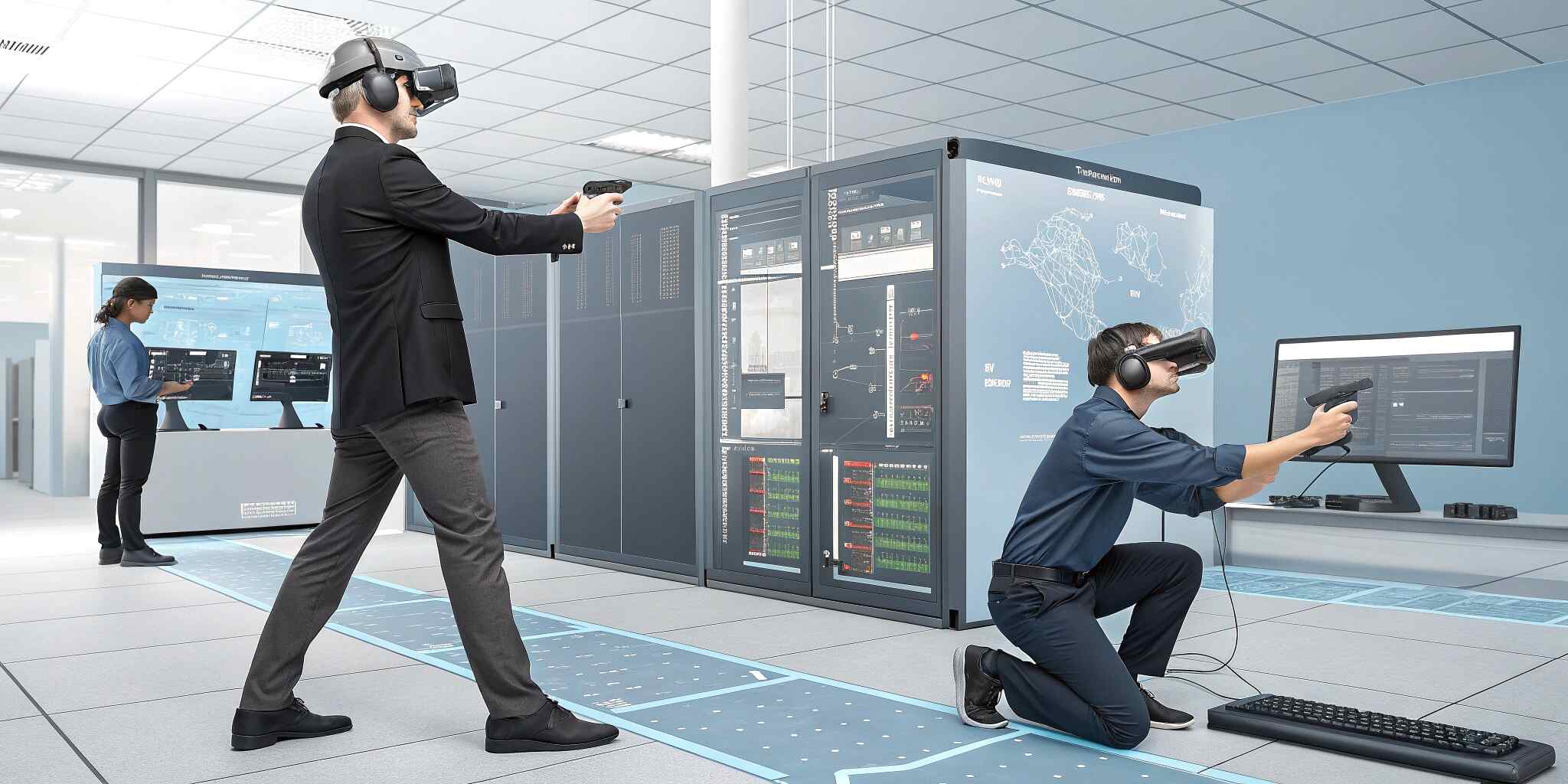
In an era defined by digital transformation, traditional employee training methods are being rapidly replaced by immersive technologies. Extended Reality (XR)—an umbrella term encompassing Augmented Reality (AR), Virtual Reality (VR), and Mixed Reality (MR)—is revolutionizing how enterprises approach workforce learning and development.
XR bridges the gap between physical and virtual environments, offering hands-on experiences that enhance engagement, retention, and performance. From manufacturing and healthcare to retail and IT, enterprises are increasingly adopting XR to train employees more effectively, safely, and efficiently.
What Is Extended Reality (XR)?
Extended Reality (XR) refers to the collective term for AR, VR, and MR technologies:
- Augmented Reality (AR) overlays digital information on the real world, enhancing perception with contextual data.
- Virtual Reality (VR) immerses users in a fully simulated environment, ideal for complex or hazardous training scenarios.
- Mixed Reality (MR) combines elements of both, allowing real and virtual objects to interact in real time.
Together, these technologies redefine learning by engaging multiple senses and enabling interactive experiences that traditional methods simply can’t replicate.
Why Enterprises Are Adopting XR in Training
1. Enhanced Learning Engagement
XR provides an immersive environment where employees learn by doing rather than observing. This experiential approach increases engagement and knowledge retention, leading to better on-the-job performance.
2. Safe and Risk-Free Practice
Industries such as manufacturing, aviation, and healthcare can simulate high-risk environments without endangering employees. VR-based training ensures workers gain practical experience before entering real-world scenarios.
3. Cost-Effective and Scalable Training
While initial XR setup costs can be high, it reduces long-term expenses related to physical training materials, travel, and supervision. Once developed, XR training modules can be reused across multiple locations or teams.
4. Personalized and Adaptive Learning
AI-powered XR platforms can track performance and adapt learning modules based on user strengths and weaknesses, ensuring personalized skill development.
5. Remote Learning Capabilities
With hybrid and remote work becoming the norm, XR allows companies to deliver consistent, high-quality training across geographies, improving global workforce alignment.
Key Use Cases of XR in Enterprise Training
a. Onboarding and Orientation
New hires can explore company environments, safety protocols, and workflows through VR-based walkthroughs, accelerating onboarding efficiency.
b. Technical Skill Training
In manufacturing, employees can practice assembly or equipment handling through AR-guided instructions and VR simulations.
c. Soft Skills and Leadership Development
XR can simulate real-world communication or negotiation scenarios, enabling employees to practice interpersonal skills in a controlled environment.
d. Safety and Compliance Training
VR-based safety drills allow workers to experience emergency procedures and compliance protocols without real-world risks.
e. Product and Process Training
Sales and service teams can use AR to interact with 3D models of products, enhancing understanding and customer presentations.
Challenges in Implementing XR Training
1. High Initial Investment
Developing XR solutions and purchasing hardware like VR headsets can be costly, especially for small enterprises.
2. Technical Limitations
Integration with existing systems, hardware compatibility, and network connectivity can pose challenges in large-scale adoption.
3. Content Creation Complexity
Creating realistic, interactive, and industry-specific XR content requires specialized skills and tools.
4. Employee Adaptability
Some employees may face resistance or discomfort when adopting new immersive technologies, requiring adequate change management and support.
Best Practices for Successful XR Integration
- Start with Pilot Projects to measure effectiveness before scaling.
- Collaborate with XR Experts to design industry-specific, engaging content.
- Integrate Analytics to track learning outcomes and performance improvements.
- Ensure Accessibility by offering hybrid training options alongside XR modules.
- Keep Updating Content to align with evolving technologies and compliance standards.
Future of XR in Enterprise Training
As AR, VR, and MR technologies become more affordable and accessible, the adoption of XR in enterprise training will accelerate. The rise of the metaverse and AI-driven XR platforms will enable hyper-personalized, real-time learning experiences that can simulate any scenario—enhancing workforce agility and innovation.
In the coming years, XR will move beyond experimentation and become an essential tool in corporate learning ecosystems, empowering employees with skills that bridge both physical and digital realities.
Conclusion
Extended Reality (XR) is reshaping how organizations train, upskill, and engage their employees. Its immersive nature not only improves retention and performance but also aligns perfectly with the evolving demands of the digital workforce.
By adopting XR, enterprises are not just enhancing their training programs—they’re investing in the future of learning, where innovation and experience go hand in hand.