Introduction
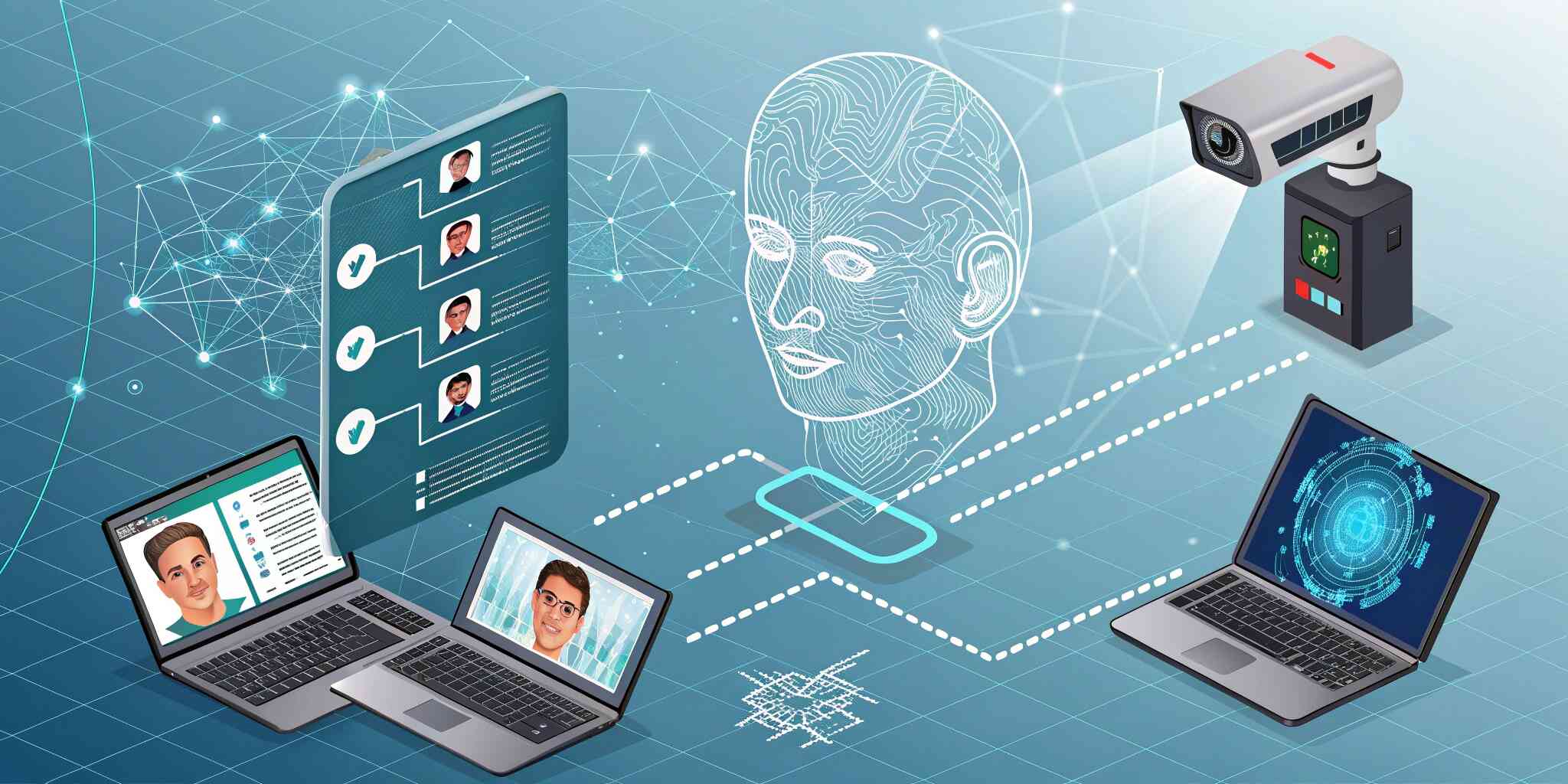
In the early days of mobile security, a simple passcode was enough to safeguard personal data. But as technology advanced—and cyber threats grew more sophisticated—biometric authentication emerged as the gold standard. Today, features like Face ID and fingerprint scanning are just the beginning. The evolution of biometric authentication is reshaping digital security, offering unprecedented accuracy, convenience, and resilience against fraud.
The Journey So Far
- Fingerprint Scanning: Popularized by smartphones in the 2010s, fingerprint recognition offered a quick, secure alternative to passwords.
- Face ID: Apple’s introduction of Face ID in 2017 brought 3D facial mapping to the mainstream, drastically improving accuracy.
- Voice Recognition: While less common, it’s found applications in banking and smart assistants.
What’s Driving the Change?
- AI & Machine Learning – AI-driven recognition models adapt to subtle changes in user appearance or conditions.
- Advanced Sensors – New depth cameras, ultrasonic fingerprint readers, and infrared scanning improve accuracy in low light or with obstructions.
- Multimodal Biometrics – Combining face, fingerprint, iris, and voice for stronger authentication layers.
Emerging Trends
- Behavioral Biometrics: Monitoring unique typing speed, gait, or touchscreen patterns for continuous authentication.
- Contactless Fingerprint Scanning: Removing the need for physical touch—important in health-conscious environments.
- Biometric Payments: Using facial or fingerprint recognition for seamless, card-free transactions.
- On-Device AI Processing: Keeping biometric data on the device to enhance privacy and comply with regulations like GDPR.
Challenges & Ethical Considerations
While the technology promises convenience, privacy concerns remain. Centralized databases of biometric data can be targets for hackers. Regulatory compliance, transparent consent, and local storage solutions are critical for trust.
The Future of Biometrics
We’re heading towards a passwordless future where identity verification happens in the background—blending physical and behavioral biometrics for frictionless, secure experiences. Soon, your devices might recognize you by the way you move, speak, or even breathe.