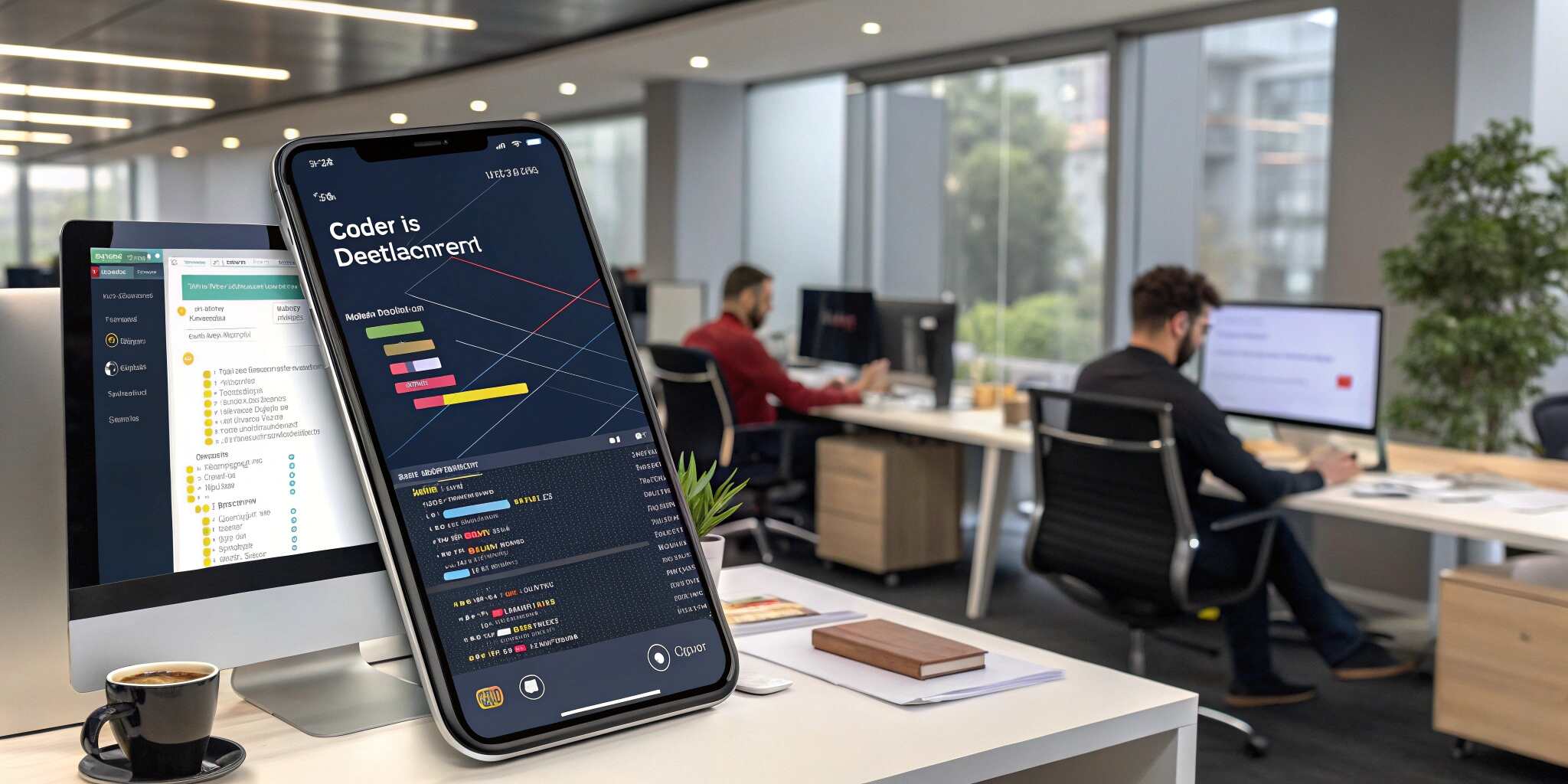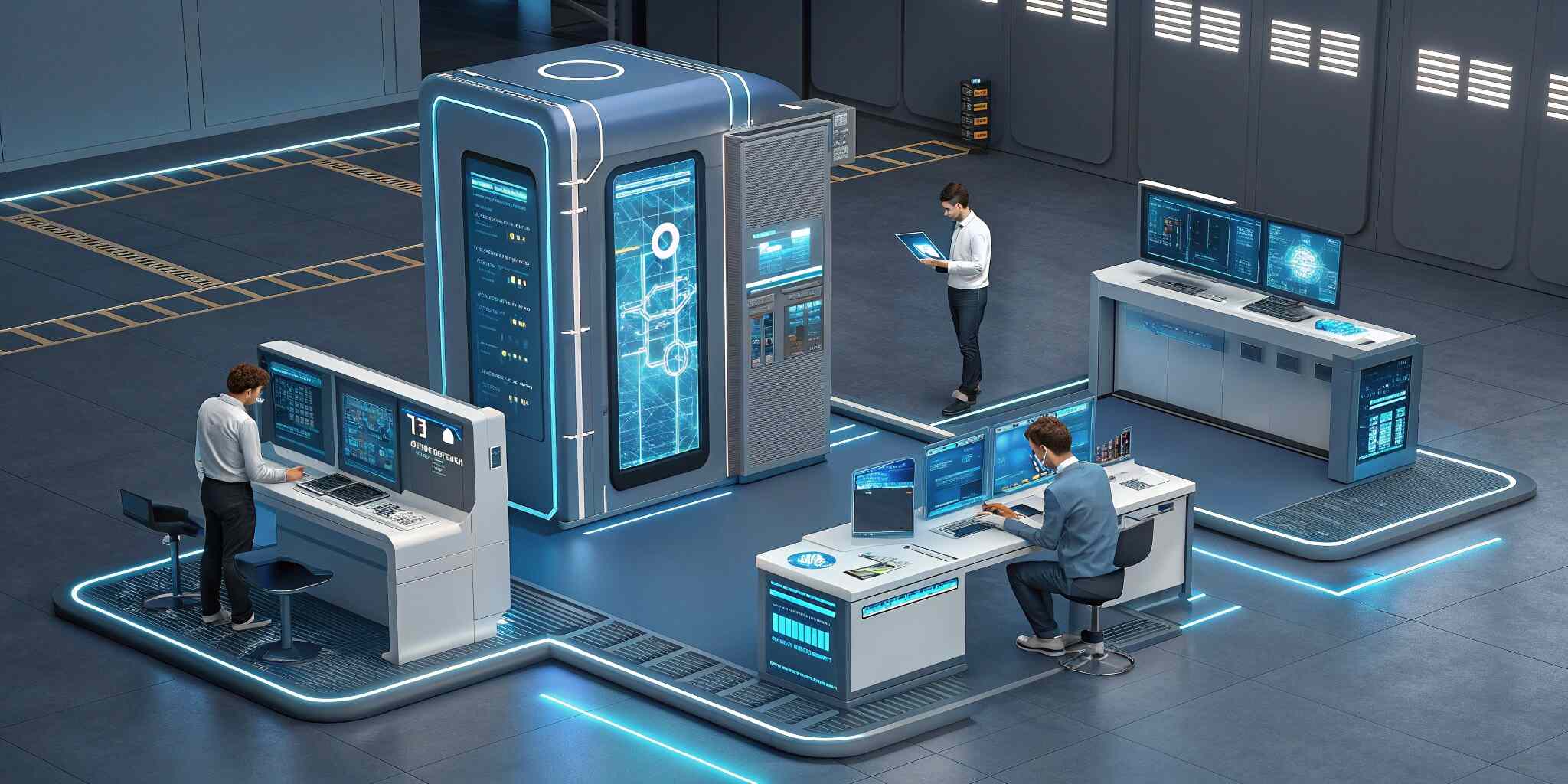
The rapid evolution of mobile technology has redefined how users interact with digital products. With the rise of foldable smartphones, wearable devices, IoT-enabled ecosystems, and augmented reality (AR) interfaces, app developers face a crucial challenge — ensuring their applications remain relevant, functional, and high-performing across diverse hardware environments. Future-proofing mobile apps is no longer an optional strategy; it is a fundamental necessity for businesses that want to maintain competitive advantage in an increasingly connected world.
Future-proofing refers to the process of designing and developing apps that can adapt to technological advancements, changing user behaviors, and new form factors without requiring a complete overhaul. It involves creating solutions that are flexible, scalable, and ready to integrate with future innovations. For instance, as foldable and dual-screen phones continue to gain traction, apps must transition seamlessly between expanded and compact screen modes without compromising usability. Similarly, the growing adoption of wearables — from smartwatches to AR glasses — requires apps to deliver consistent user experiences across devices with varying screen sizes, resolutions, and interaction models.
One of the key strategies in future-proofing apps lies in adopting a modular architecture. By building apps with loosely coupled components, developers can easily update, replace, or integrate new functionalities as technology evolves. Frameworks like Flutter, React Native, and Kotlin Multiplatform Mobile (KMM) support modular development and cross-platform compatibility, reducing the effort needed to adapt apps for new devices and operating systems. This approach also ensures scalability, enabling apps to handle increasing data loads and user demands as they expand.
In addition to flexible architecture, adaptive UI design plays a critical role in ensuring future readiness. Responsive layouts, dynamic scaling, and fluid transitions help apps adjust to different screen orientations and resolutions. For foldable devices, developers can utilize Jetpack Compose or SwiftUI to build layouts that respond intelligently to screen unfolding or resizing. Likewise, developers must consider gesture-based navigation, voice commands, and haptic feedback as input methods evolve beyond touchscreens.
Integration with emerging technologies is another essential aspect of future-proofing. As 5G connectivity and edge computing gain momentum, mobile apps will increasingly rely on distributed data processing and ultra-low latency for real-time experiences. Developers can leverage cloud platforms like AWS Mobile Hub, Google Firebase, or Microsoft Azure to support scalable backend systems, enabling features like instant synchronization, AI-driven personalization, and AR-based interactions.
Furthermore, the convergence of IoT and mobile applications is transforming how apps interact with physical environments. From smart homes and connected vehicles to industrial monitoring, mobile apps now serve as central hubs for device communication. Developers can utilize protocols like MQTT, Bluetooth Low Energy (BLE), and Zigbee to enable secure and efficient device interoperability. Ensuring compatibility with IoT ecosystems helps future-proof apps for a world where connectivity is ubiquitous.
Security and privacy must also be embedded within the future-proofing strategy. As data sharing increases across devices and platforms, adhering to data protection frameworks such as GDPR and ISO standards is vital. Developers should integrate biometric authentication, end-to-end encryption, and zero-trust security models to safeguard user information in dynamic digital environments.
The shift toward AR and VR also represents an emerging dimension in mobile app development. With devices like the Apple Vision Pro and ARCore-powered Android systems, immersive experiences are becoming mainstream. Developers should explore AR toolkits and 3D modeling engines like Unity or Unreal Engine to design interactive, future-ready applications. Apps that integrate AR-based shopping, navigation, or training experiences will stand out in the next phase of digital interaction.
Beyond technology, maintaining backward compatibility ensures that future-ready apps continue functioning smoothly on older devices. This is especially critical in markets where hardware upgrades occur gradually. Utilizing progressive enhancement techniques ensures that essential app features remain accessible to all users, regardless of device capabilities.
Continuous monitoring and iteration complete the future-proofing cycle. Implementing analytics and AI-based performance tracking allows developers to anticipate and respond to emerging trends in real-time. Regular updates, automated testing pipelines, and feedback loops help keep apps aligned with evolving device ecosystems.
Conclusion:
Future-proofing mobile apps is about preparing for change rather than reacting to it. As the digital ecosystem expands to include foldables, wearables, IoT, and immersive interfaces, developers must embrace flexible architecture, adaptive design, and continuous innovation. By integrating modular frameworks, scalable cloud systems, and user-centric security practices, businesses can ensure that their mobile apps remain resilient, relevant, and ready for the devices of tomorrow.