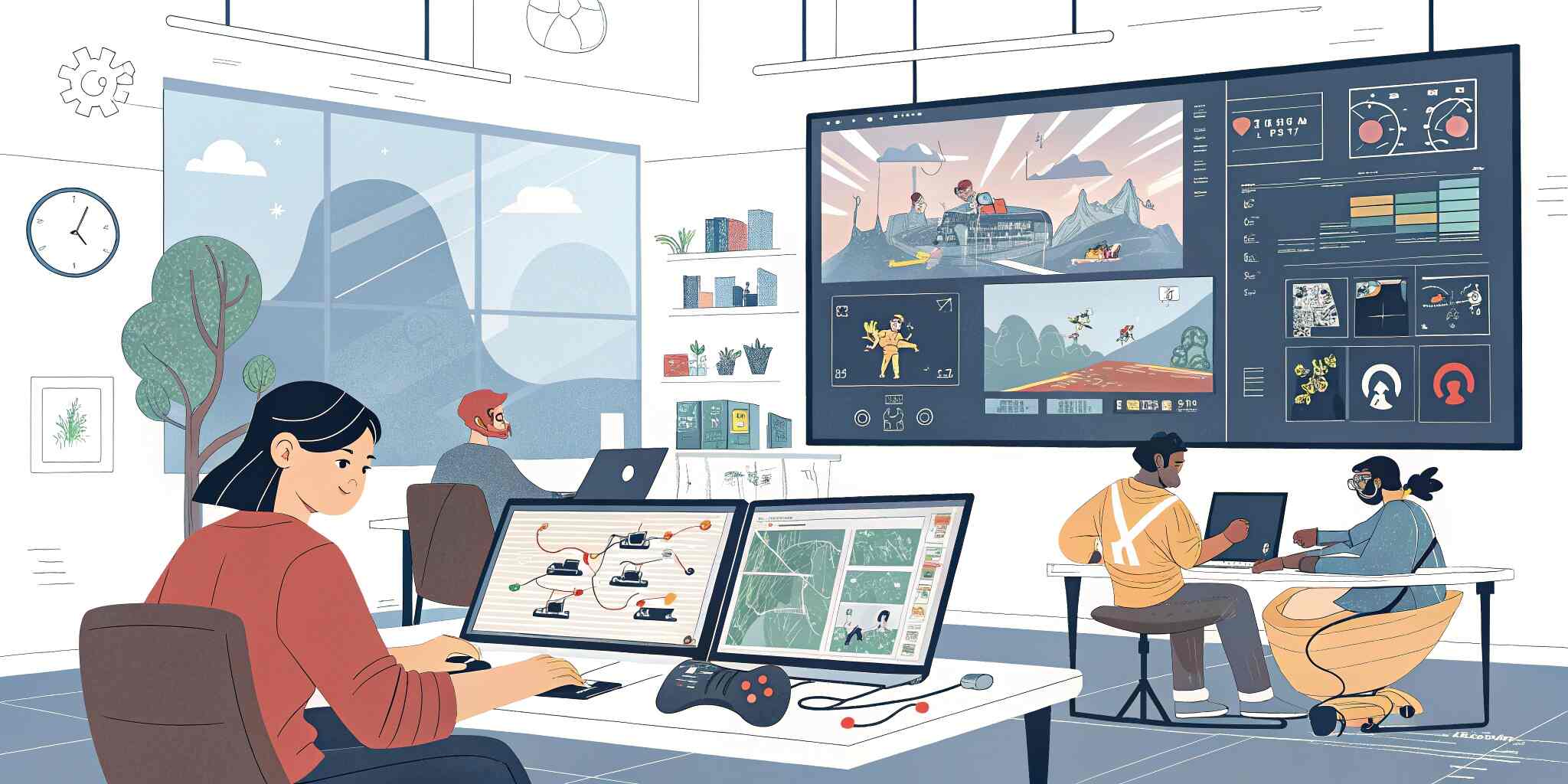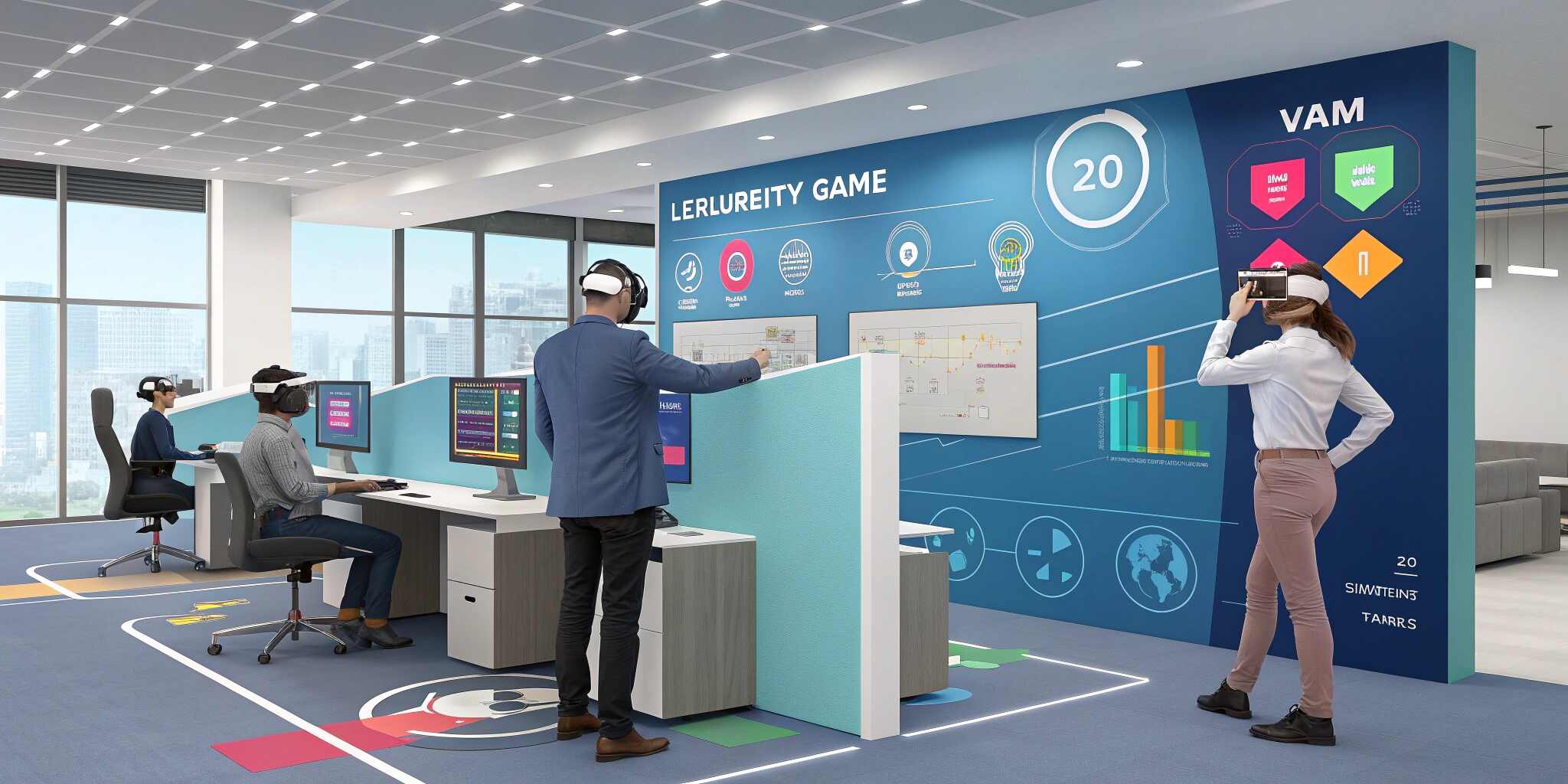
Gamification has emerged as one of the most powerful tools in modern digital design, revolutionizing how we interact with technology, learn new skills, and stay motivated. At its core, gamification means integrating game mechanics—such as points, rewards, achievements, and leaderboards—into non-gaming contexts. What began as a trend in app development has evolved into a strategy used across industries, from education and business to healthcare and customer engagement. The idea is simple but powerful: when people enjoy what they are doing, they stay engaged longer, perform better, and feel more accomplished.
The roots of gamification lie in behavioral psychology, particularly the principles of motivation and reward. Humans are naturally driven by the desire for achievement, recognition, and progress. By incorporating elements like progress bars, challenges, and badges into applications or workflows, organizations can tap into these intrinsic motivators. For example, fitness apps such as Strava and Nike Run Club reward users for completing challenges or achieving milestones, encouraging consistent engagement and fostering a sense of accomplishment.
In the education sector, gamification has transformed how students learn and teachers teach. Platforms like Kahoot! and Duolingo have made learning interactive, competitive, and fun. Instead of traditional methods that rely on rote memorization, gamified learning uses repetition, feedback, and reward systems to encourage long-term retention. Students earn badges or points for mastering topics, which reinforces positive behavior. This approach doesn’t just make learning enjoyable—it also improves motivation, collaboration, and critical thinking. As education becomes increasingly digital, gamification continues to be an essential part of adaptive learning systems powered by AI and data analytics.
The corporate world has also embraced gamification as a tool for improving employee productivity, engagement, and training outcomes. Companies are now gamifying onboarding processes, sales targets, and performance tracking. For example, employees can earn rewards or climb leaderboards for completing training modules or meeting sales goals. This turns everyday tasks into engaging challenges, encouraging healthy competition and collaboration within teams. Moreover, gamified recognition systems help reduce burnout and create a sense of belonging and achievement among employees.
In marketing and customer engagement, gamification helps brands connect with audiences on a deeper level. Loyalty programs, interactive campaigns, and reward-based challenges are examples of how businesses leverage gamification to enhance customer retention. Starbucks’ Rewards Program, for instance, encourages repeat purchases by offering points and levels that unlock exclusive benefits. Similarly, mobile games or spin-the-wheel features in e-commerce apps drive engagement while subtly increasing sales.
From a technological perspective, gamification and app development go hand in hand. Developers use gamification frameworks and APIs to integrate achievement systems, feedback loops, and interactive dashboards into web and mobile applications. Tools like Unity Analytics, Firebase, and PlayFab provide infrastructure for tracking player or user progress and engagement metrics. By combining AI, machine learning, and gamification, developers can now personalize experiences — adjusting difficulty levels, recommendations, and incentives based on user behavior.
However, successful gamification requires balance and purpose. Overuse of rewards or competitive systems can lead to user fatigue or manipulation. Effective gamified systems should align with user goals, providing value and meaningful progress rather than artificial incentives. This is where ethical design becomes critical — ensuring that gamified systems enhance well-being rather than exploit user behavior.
Beyond business and education, gamification is now being applied in healthcare, environmental awareness, and social impact projects. Apps like Habitica turn daily habits into quests, rewarding users for completing real-life tasks, while sustainability platforms gamify recycling or energy-saving behaviors. These creative implementations demonstrate the versatility of gamification in driving positive, real-world change.
Conclusion:
Gamification has transcended the boundaries of entertainment to become a transformative force across industries. By integrating game mechanics into everyday experiences, it enhances engagement, motivation, and learning outcomes. Whether it’s motivating employees, educating students, or connecting customers to brands, gamification leverages the psychology of fun and reward to create meaningful digital interactions. As AI, AR, and data-driven design continue to evolve, the future of gamification promises even more immersive and personalized experiences — proving that play, when designed with purpose, can power the serious business of growth and transformation.