Artificial Intelligence (AI) has made remarkable strides in recent years, and one of the most revolutionary innovations is the Generative Adversarial Network (GAN). GANs have unlocked a new era of creativity in AI by enabling machines to generate realistic images, videos, voices, and even entire virtual environments. From creating photorealistic faces to enhancing medical imaging, GANs are transforming industries at an unprecedented pace.
What Are GANs?
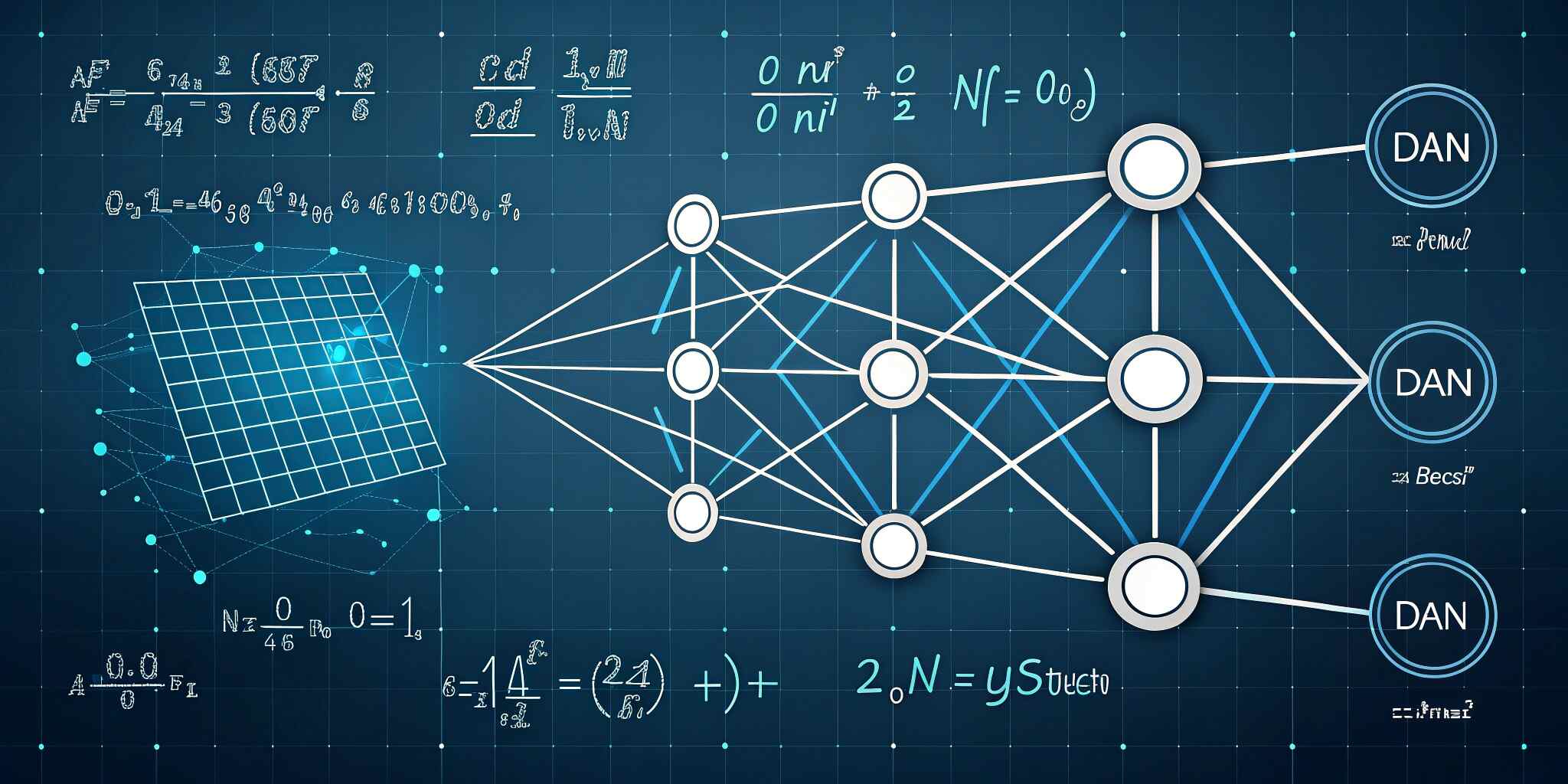
A Generative Adversarial Network (GAN) is a type of deep learning model introduced by Ian Goodfellow and his colleagues in 2014. It consists of two neural networks that work against each other:
- Generator – Creates synthetic data, such as an image, attempting to mimic real data.
- Discriminator – Evaluates whether the data is real (from the dataset) or fake (generated).
Through continuous competition, both networks improve, eventually enabling the generator to produce highly realistic outputs that can fool the discriminator.
How Do GANs Work?
GANs work through a process of adversarial training:
- The generator starts with random noise and attempts to create realistic data.
- The discriminator compares generated data with actual data and classifies it as real or fake.
- With each iteration, the generator becomes better at creating convincing data, while the discriminator sharpens its ability to detect fake data.
This tug-of-war leads to increasingly realistic outputs over time.
Applications of GANs
- Art and Design
- GANs can generate paintings, music, and creative designs, empowering artists with AI-driven inspiration.
- Gaming and Virtual Worlds
- Game developers use GANs to create realistic textures, characters, and environments, reducing manual design time.
- Healthcare
- GANs are used to enhance medical imaging, generate synthetic patient data for research, and assist in drug discovery.
- Data Augmentation
- When labeled datasets are limited, GANs generate synthetic samples to train machine learning models more effectively.
- Deepfake Technology
- GANs power deepfake videos and voice synthesis, which can be used for both entertainment and malicious purposes.
- Fashion and Retail
- Brands leverage GANs to design clothing, accessories, and even personalized product recommendations.
- Super-Resolution Imaging
- GANs enhance image resolution, making blurry or low-quality pictures sharp and detailed.
Benefits of GANs
- Realistic Data Generation: Produce highly convincing images, videos, and audio.
- Data Efficiency: Useful for scenarios with limited labeled datasets.
- Cross-Industry Innovation: Applicable across art, healthcare, business, and entertainment.
- Creativity and Personalization: Enables unique content creation tailored to users.
Challenges of GANs
- Training Instability: GANs are notoriously difficult to train and require careful parameter tuning.
- Ethical Concerns: Deepfake misuse raises serious concerns around privacy and misinformation.
- Computational Costs: Training GANs demands significant processing power and large datasets.
- Bias in Generated Data: If trained on biased data, GANs may reinforce or amplify existing biases.
Future of GANs
The future of GANs lies in making AI more creative, ethical, and accessible. As GAN architectures evolve, they will become more stable, efficient, and interpretable. Beyond entertainment and design, GANs are expected to play an increasing role in scientific research, education, and sustainability, such as simulating climate scenarios or generating synthetic biology data.
Conclusion
Generative Adversarial Networks represent a groundbreaking leap in artificial intelligence. Their ability to generate realistic, high-quality synthetic data has transformed industries from art to healthcare. However, balancing innovation with ethical responsibility will be key to harnessing the full potential of GANs.