Introduction: The Next Leap in Immersive Gaming
Virtual Reality (VR) and Augmented Reality (AR) have already changed the way players experience digital worlds—but the next step goes beyond sight and sound. The future of gaming lies in touch, sensation, and physical interaction. Through haptic feedback and full-body immersion, players can now feel virtual experiences as if they were real, bridging the gap between the physical and digital worlds.
This evolution isn’t just a technological upgrade—it’s a shift toward true sensory integration, where the human body becomes part of the gaming system.
1. Understanding Haptic Feedback in Gaming
Haptic feedback refers to the use of tactile sensations—vibrations, pressure, or movement—to simulate physical touch within digital environments. It’s what makes a player feel the recoil of a gun, the rumble of a car engine, or the subtle tension of a bowstring in VR games.
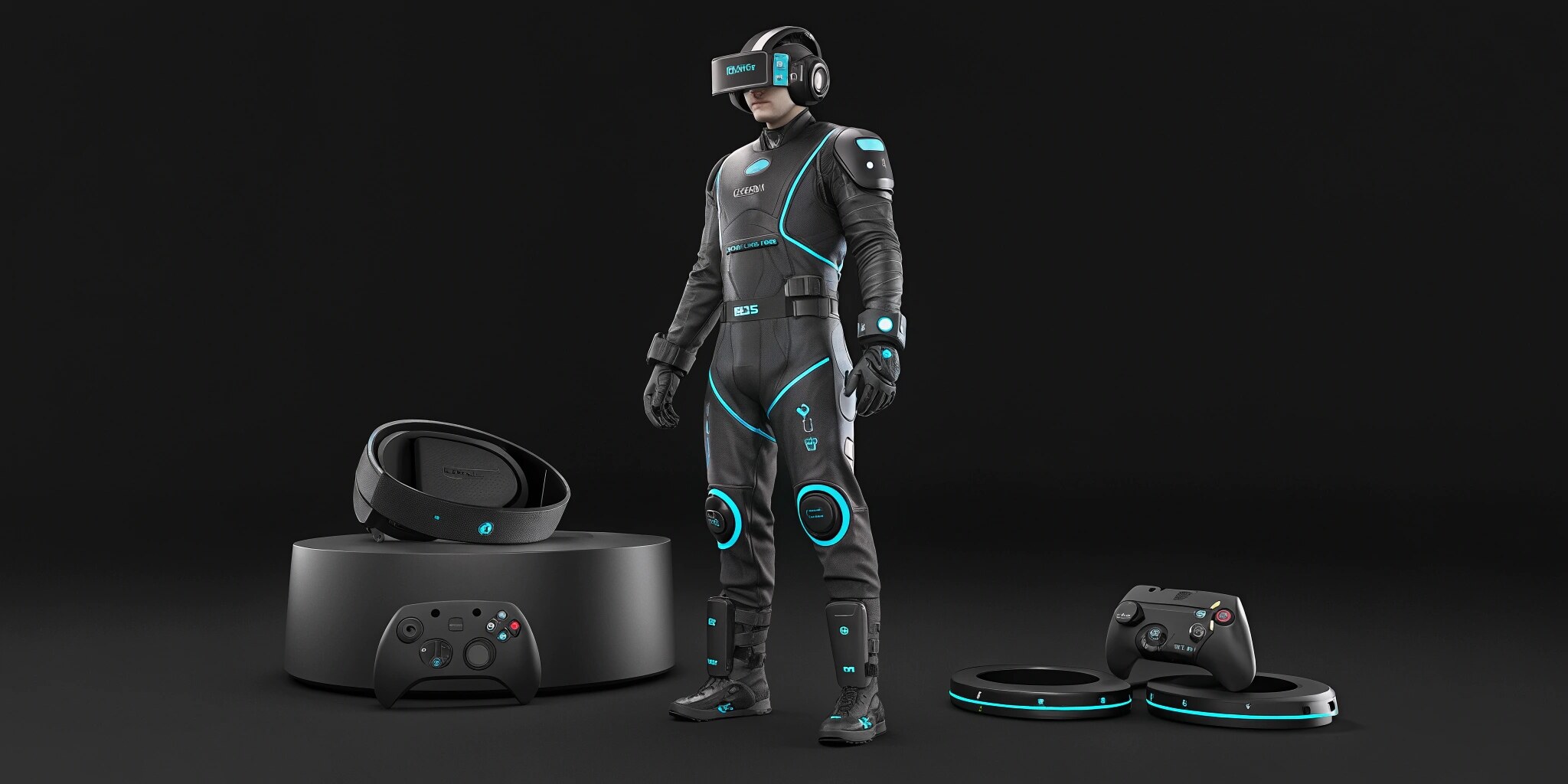
Modern haptic devices go beyond simple controller vibrations. Haptic suits, gloves, and vests deliver multi-point feedback across the entire body, creating an astonishingly lifelike experience. For example:
- Haptic gloves simulate texture, weight, and resistance when picking up objects.
- Full-body suits replicate impacts, temperature changes, or environmental sensations like wind or rain.
- Footwear sensors track steps and surface types, creating more natural locomotion.
When synchronized with VR visuals and spatial audio, these devices elevate immersion to unprecedented levels.
2. The Rise of Full-Body Immersion
Full-body immersion combines motion tracking, haptic feedback, and real-time physics to fully engage the player’s senses. Technologies like body suits, motion platforms, and treadmills enable complete physical engagement within virtual environments.
Imagine running through a digital forest where you feel the vibration of your footsteps, the resistance of uneven terrain, or the rush of wind as you sprint. This synergy of movement and feedback makes the experience more interactive and believable than ever.
Leading innovations in this space include:
- bHaptics TactSuit – A wireless full-body suit with 40+ haptic points.
- Teslasuit – A motion capture and haptic feedback suit capable of simulating temperature and force.
- Virtuix Omni – A multidirectional treadmill that lets players walk and run naturally in virtual worlds.
These technologies signal a shift toward fully embodied gaming, where physical actions mirror digital outcomes.
3. Bridging the Gap Between VR and AR
While VR focuses on complete immersion, AR (Augmented Reality) enhances the real world by overlaying interactive virtual elements. Integrating haptic feedback into AR can transform how players interact with physical spaces.
For example, imagine feeling the vibration of a virtual object you “pick up” through smart gloves, or sensing the pulse of an AR creature as you hold it in your real hands. Combined with spatial computing and AI, this could redefine gaming, training simulations, and even education.
Mixed Reality (MR) platforms, like Apple Vision Pro and Meta Quest 3, are already blending haptics with environmental awareness, hinting at a hybrid future of tactile digital interaction.
4. Technical Challenges and Development Hurdles
Despite the excitement, several challenges slow widespread adoption:
- Hardware Cost: Full-body suits and motion systems remain expensive for average consumers.
- Latency Issues: Synchronizing touch, movement, and visuals requires ultra-low latency to feel natural.
- Developer Integration: Few engines and toolkits fully support advanced haptic APIs.
- Physical Fatigue: Extended full-body gaming sessions can be tiring or disorienting.
However, as hardware becomes more affordable and software ecosystems mature, these obstacles are steadily diminishing.
5. The Future: From Entertainment to Real-World Application
Haptic and immersion technologies are extending beyond entertainment. Industries like healthcare, military training, sports, and education are adopting full-body VR for realistic simulations. Surgeons can rehearse operations, athletes can analyze body movements, and students can experience historical environments firsthand.
For gaming, the implications are transformative:
- Personalized Sensory Profiles: Players can tune feedback intensity to comfort levels.
- Emotional Engagement: Physical sensations deepen narrative connection and empathy.
- Cross-Reality Ecosystems: Games will blur the lines between digital and physical experiences.
In essence, haptic immersion is shaping a future where virtual worlds feel as tangible as the real one.
Conclusion: Touching the Digital Future
Haptic feedback and full-body immersion are redefining what “playing a game” means. They merge sensory realism with interactive storytelling, empowering players to experience emotions and sensations once limited to imagination.
As VR/AR technology advances, the dream of feeling digital worlds—through touch, motion, and presence—is becoming a thrilling reality. The future of gaming isn’t just immersive—it’s physical.