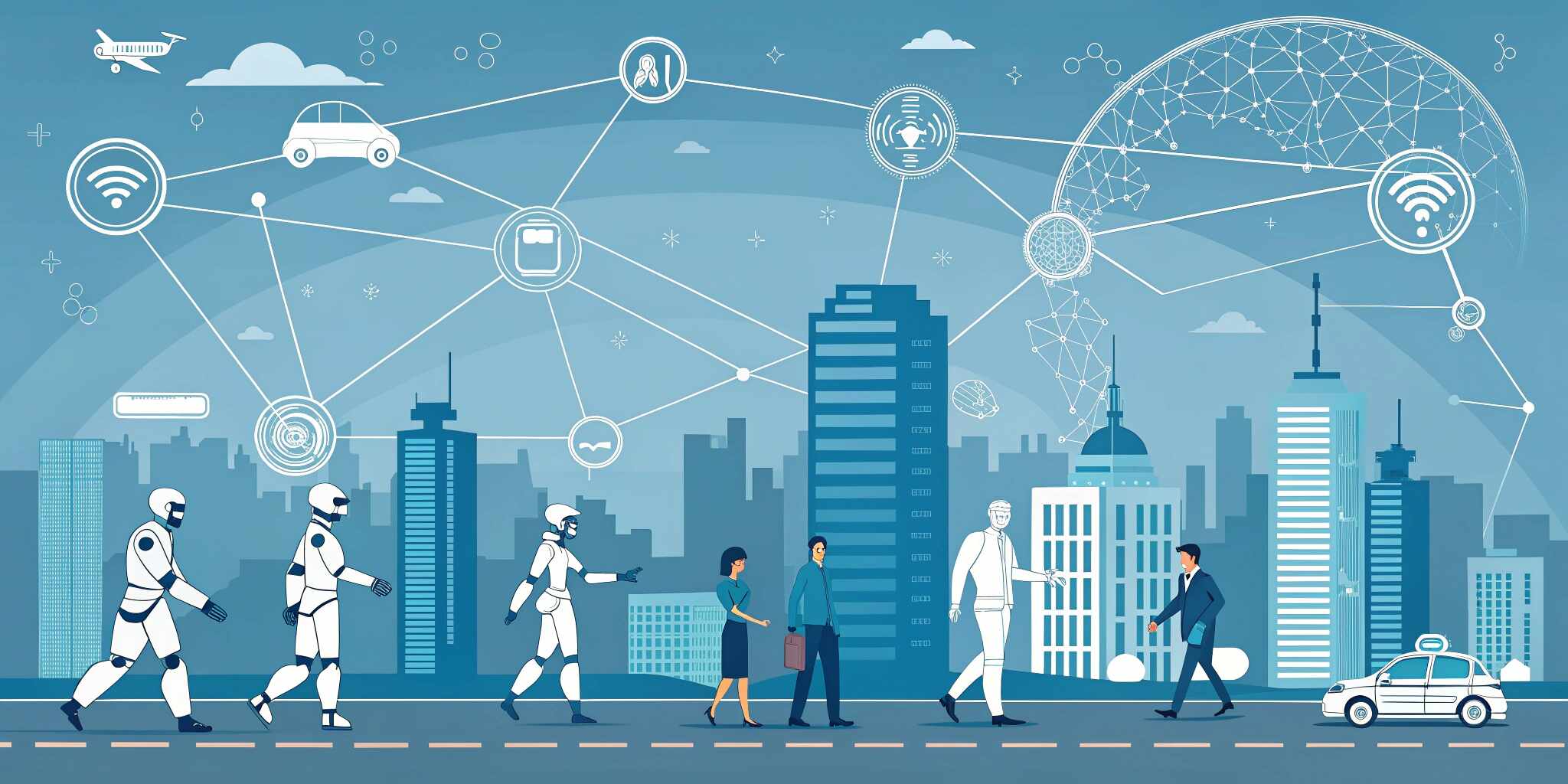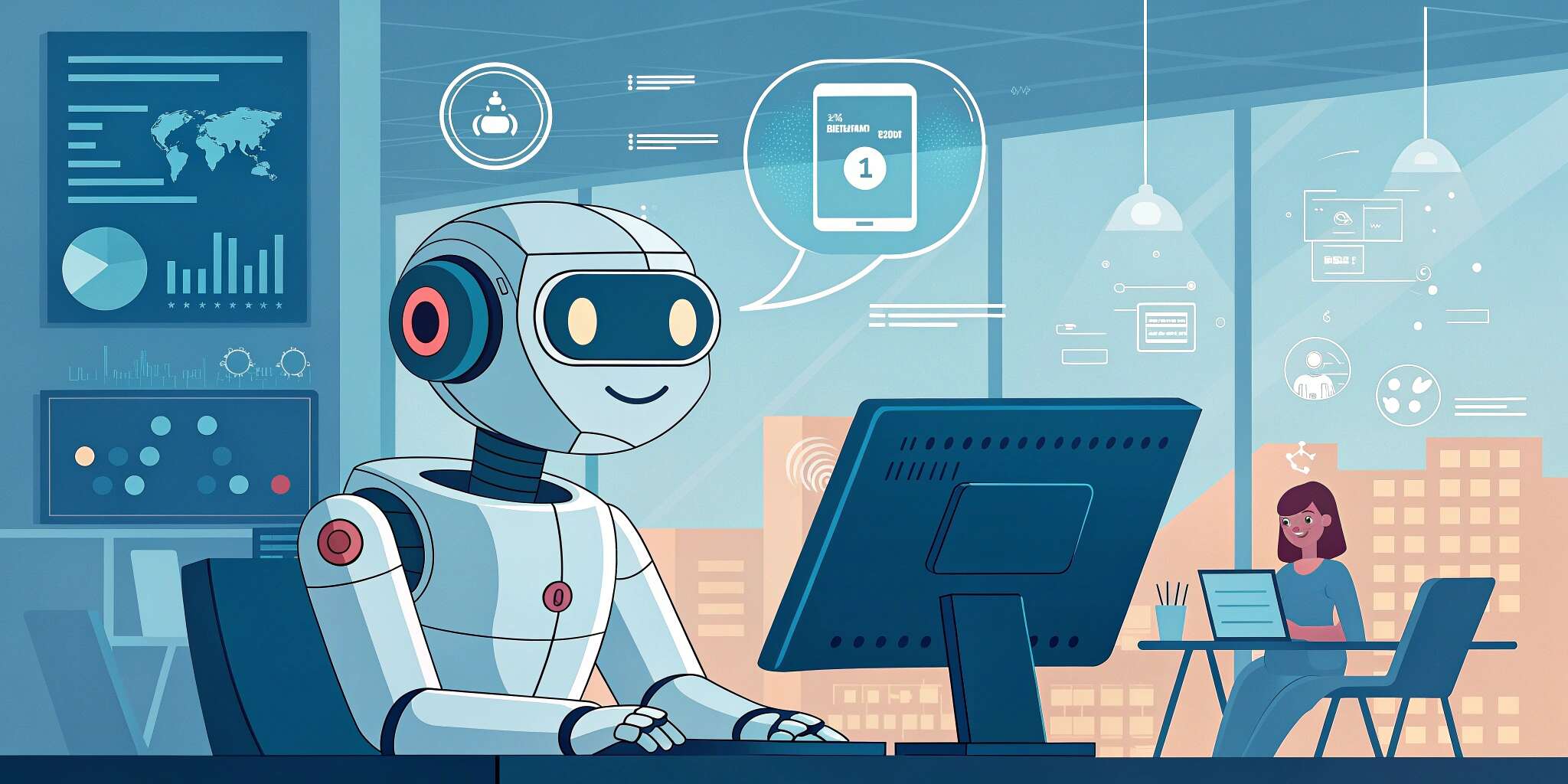
In the rapidly evolving world of technology, AI-powered chatbots have emerged as one of the most impactful innovations in customer support. For IT companies, where fast response times and technical accuracy are crucial, chatbots have become indispensable tools. They not only handle large volumes of customer queries efficiently but also ensure a seamless and personalized experience 24/7.
As businesses strive for digital transformation, the integration of Artificial Intelligence (AI) in customer service is redefining how IT companies engage, support, and retain clients.
1. The Rise of AI in Customer Support
Traditional customer service models rely heavily on human agents, which can be time-consuming, costly, and limited by working hours. With the introduction of AI, chatbots have evolved from simple scripted responders to intelligent virtual assistants capable of understanding human language, context, and intent.
Modern chatbots use Natural Language Processing (NLP) and Machine Learning (ML) to analyze queries, learn from interactions, and deliver accurate solutions in real-time. This shift has made AI chatbots an integral part of IT customer support systems worldwide.
2. Instant and Round-the-Clock Assistance
One of the biggest advantages of AI chatbots is their 24/7 availability. In IT, where clients operate across different time zones, constant support is essential.
AI-powered chatbots ensure that customer inquiries are addressed instantly, reducing waiting times and improving satisfaction rates. Whether it’s resolving a technical issue, resetting passwords, or assisting with service requests, chatbots provide uninterrupted assistance, even outside business hours.
This continuous availability strengthens client trust and ensures smooth operations without requiring additional human resources.
3. Personalized and Contextual Customer Interactions
Gone are the days when chatbots provided generic, pre-written replies. Today’s AI chatbots use data analytics and user history to deliver personalized responses.
For example, if a recurring client raises a support ticket, the chatbot can recognize their account, identify previous issues, and offer customized troubleshooting steps. This level of personalization enhances user experience and builds long-term customer relationships.
By learning from every interaction, chatbots continuously improve their ability to respond more effectively over time.
4. Reducing Operational Costs and Workload
Automation through AI chatbots has become a game-changer for IT companies looking to optimize resources.
By handling repetitive and low-priority queries, chatbots free human agents to focus on complex, high-value issues. This balance reduces operational costs, minimizes response delays, and enhances overall productivity.
According to various reports, organizations using AI chatbots in customer support have achieved up to 40% cost savings while maintaining superior service quality.
5. Integration with IT Service Management (ITSM) Tools
Modern chatbots seamlessly integrate with ITSM platforms such as ServiceNow, Zendesk, and Freshdesk.
Through these integrations, chatbots can automate ticket creation, status tracking, and incident reporting. They can also escalate critical issues to human agents when needed, ensuring that no customer query goes unresolved.
This smooth collaboration between AI and IT systems results in faster resolutions, improved data management, and better workflow efficiency.
6. Enhancing Customer Experience through Proactive Support
AI chatbots not only respond to queries but also anticipate customer needs. By analyzing patterns in user data and past interactions, chatbots can proactively alert customers about potential system downtimes, product updates, or renewal reminders.
This proactive approach transforms customer support from being reactive to predictive and preventive, improving overall satisfaction and trust.
In the IT industry, where downtime or unresolved issues can lead to significant losses, proactive support is a major advantage.
7. Data Insights and Continuous Improvement
Each chatbot interaction generates valuable data that IT companies can analyze to identify recurring issues, measure satisfaction, and predict future trends.
By leveraging these insights, organizations can refine their products, improve documentation, and enhance customer service strategies.
Additionally, AI algorithms continuously learn from user feedback and adapt to deliver more accurate and context-aware responses over time. This ensures that the chatbot evolves with customer needs and business growth.
8. The Future of AI Chatbots in IT Support
As technology advances, AI chatbots are expected to become even more sophisticated, integrating with voice assistants, multilingual support systems, and AI-driven analytics.
Future chatbots will not just assist but also recommend, predict, and resolve issues autonomously, transforming IT support into a fully automated, intelligent ecosystem.
Companies that adopt this technology early will enjoy enhanced efficiency, lower costs, and stronger customer loyalty.
Conclusion
AI-powered chatbots are more than just automated responders — they are intelligent digital assistants reshaping how IT companies deliver customer support. By combining automation, personalization, and proactive engagement, chatbots have set a new benchmark for efficiency and customer satisfaction.
As businesses continue to embrace AI, chatbots will remain at the forefront of digital customer experience — empowering IT organizations to work smarter, respond faster, and serve better.