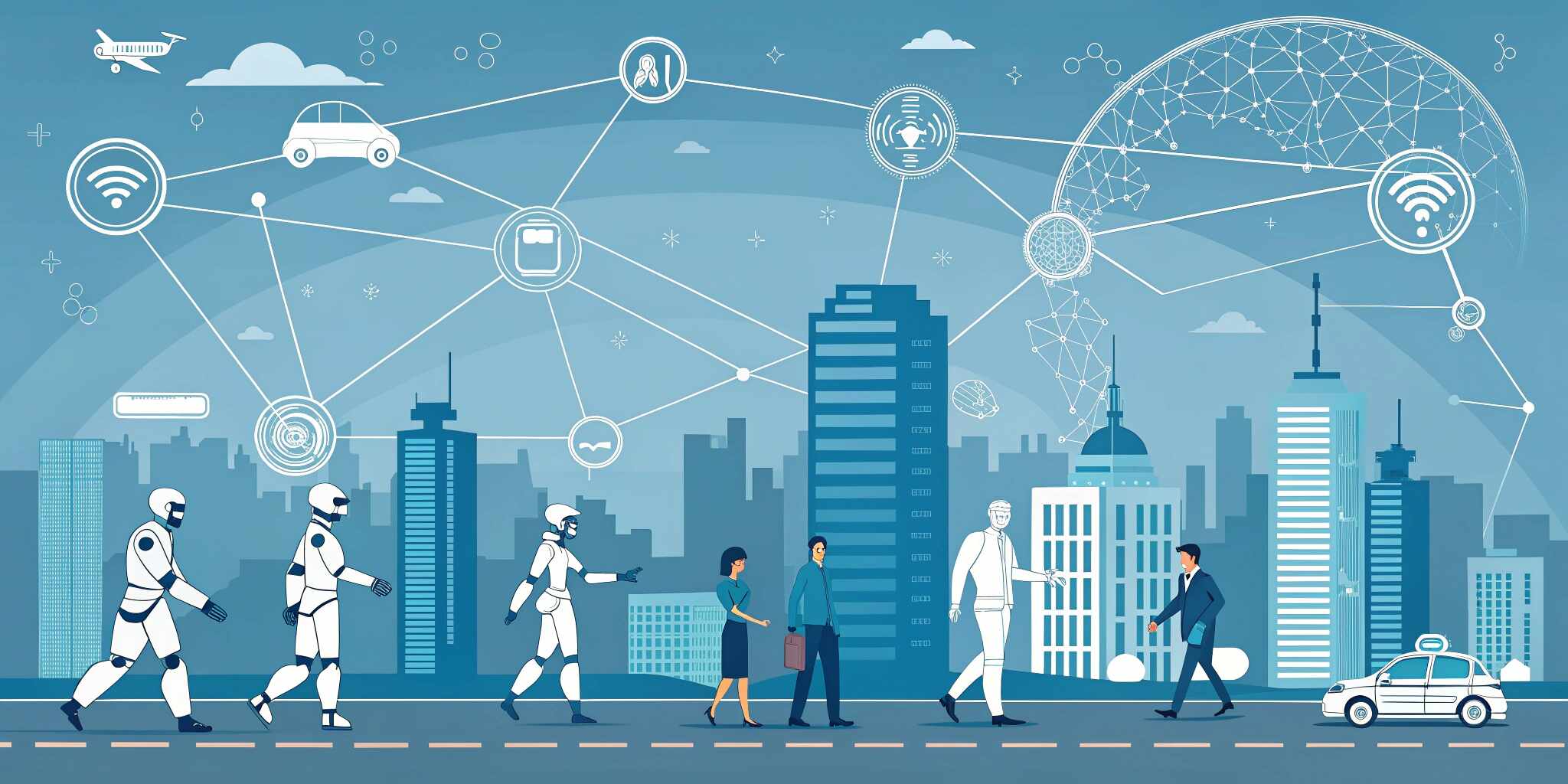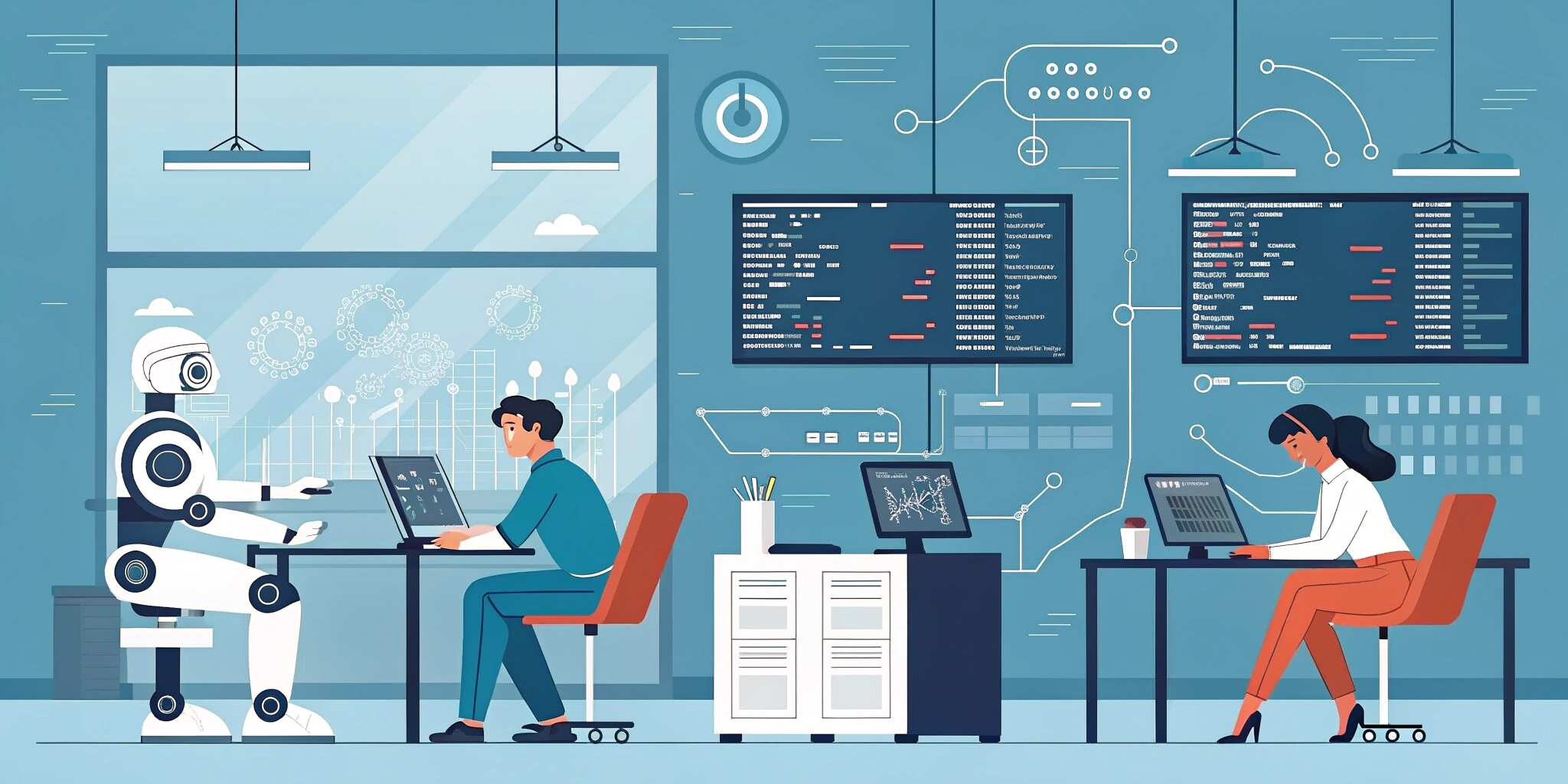
In the fast-evolving world of technology, automation has become a cornerstone of modern IT operations. From streamlining workflows to minimizing manual errors, automation is redefining how employees approach their daily tasks. Far from replacing human talent, it is empowering IT professionals to work more efficiently, creatively, and strategically.
Let’s explore how automation is revolutionizing productivity and creating smarter, more agile workplaces in the IT industry.
1. From Manual Effort to Smart Efficiency
For decades, IT employees have been burdened with repetitive, time-consuming tasks—data entry, report generation, system monitoring, and software updates. Automation tools now handle these processes seamlessly.
By automating these low-value tasks, companies free employees to focus on innovation and client solutions. This shift doesn’t just improve efficiency—it unlocks creativity and strategic thinking, allowing employees to contribute to business growth rather than routine operations.
2. Streamlined Workflow Management
Workflow automation tools such as Zapier, Jira, and Microsoft Power Automate are transforming how IT teams manage projects. These platforms connect multiple systems, automate approvals, and eliminate delays caused by manual coordination.
Automated workflows ensure:
- Faster task completion
- Improved communication across teams
- Transparent progress tracking
- Reduced dependency on manual follow-ups
The result is a more synchronized and productive workforce, capable of delivering quality output faster.
3. AI-Powered Decision Making
Artificial Intelligence (AI) has become a major productivity driver in IT companies. Tools powered by AI help employees make smarter decisions through predictive analytics, pattern recognition, and automated recommendations.
For example, in software development, AI systems can detect code vulnerabilities automatically or suggest improvements, reducing testing time. Similarly, in HR and project management, AI tools analyze workloads and recommend optimal task distribution, preventing burnout and maximizing performance.
Automation doesn’t eliminate human decision-making—it enhances it by providing real-time insights and reducing cognitive load.
4. Enhanced Collaboration Across Departments
Automation also fosters better collaboration between departments. Cloud-based automation systems enable seamless data sharing, communication, and file synchronization across remote teams.
When employees spend less time managing administrative tasks, they can dedicate more effort to innovation, teamwork, and creative problem-solving. Automated notifications, updates, and reports ensure everyone is aligned, even in large organizations or hybrid work environments.
5. Improved Accuracy and Error Reduction
Human error is inevitable, especially in repetitive processes. Automation tools eliminate the risks of miscalculations, missed updates, and overlooked details.
For instance, automated testing systems in IT projects reduce bugs before release, while automated data management ensures consistency and compliance. This reliability enhances productivity and client satisfaction by ensuring faster, error-free deliveries.
By reducing rework and minimizing downtime, companies see measurable gains in performance and profitability.
6. Empowering Employees Through Upskilling
Contrary to the fear that automation replaces jobs, it’s actually redefining roles and creating new opportunities. Employees are now encouraged to learn automation tools, scripting, and AI integration—skills that make them more valuable in the evolving IT landscape.
This upskilling fosters a culture of innovation and continuous learning. Employees equipped with automation knowledge can create their own workflows, reducing dependency on technical specialists and IT support teams.
As a result, companies witness not only improved efficiency but also higher job satisfaction and retention.
7. Time Optimization and Focus on Core Tasks
Automation gives IT professionals the most precious resource of all—time. By automating administrative duties like scheduling, reporting, or ticket management, employees can focus on strategic priorities such as:
- Product innovation
- Customer experience improvement
- System architecture design
- Process optimization
This realignment ensures that the company’s human talent is being utilized where it adds the most value.
8. Real-World Impact: Smarter, Faster IT Ecosystems
Leading IT organizations are already leveraging automation across development, operations, and support. For example:
- DevOps automation accelerates deployment cycles.
- RPA (Robotic Process Automation) optimizes backend operations.
- AI-driven support systems resolve client queries in seconds.
These technologies collectively create an ecosystem that’s smarter, faster, and more responsive—setting new benchmarks for productivity and service quality.
Conclusion
Automation is not the end of human involvement—it’s the evolution of it. By eliminating repetitive tasks and improving accuracy, automation allows employees to focus on creativity, innovation, and problem-solving.
In 2025 and beyond, IT companies that fully embrace automation will not only boost productivity but also build empowered, future-ready teams capable of adapting to the next wave of digital transformation.
Automation isn’t replacing people—it’s redefining how they work, think, and succeed.