Introduction
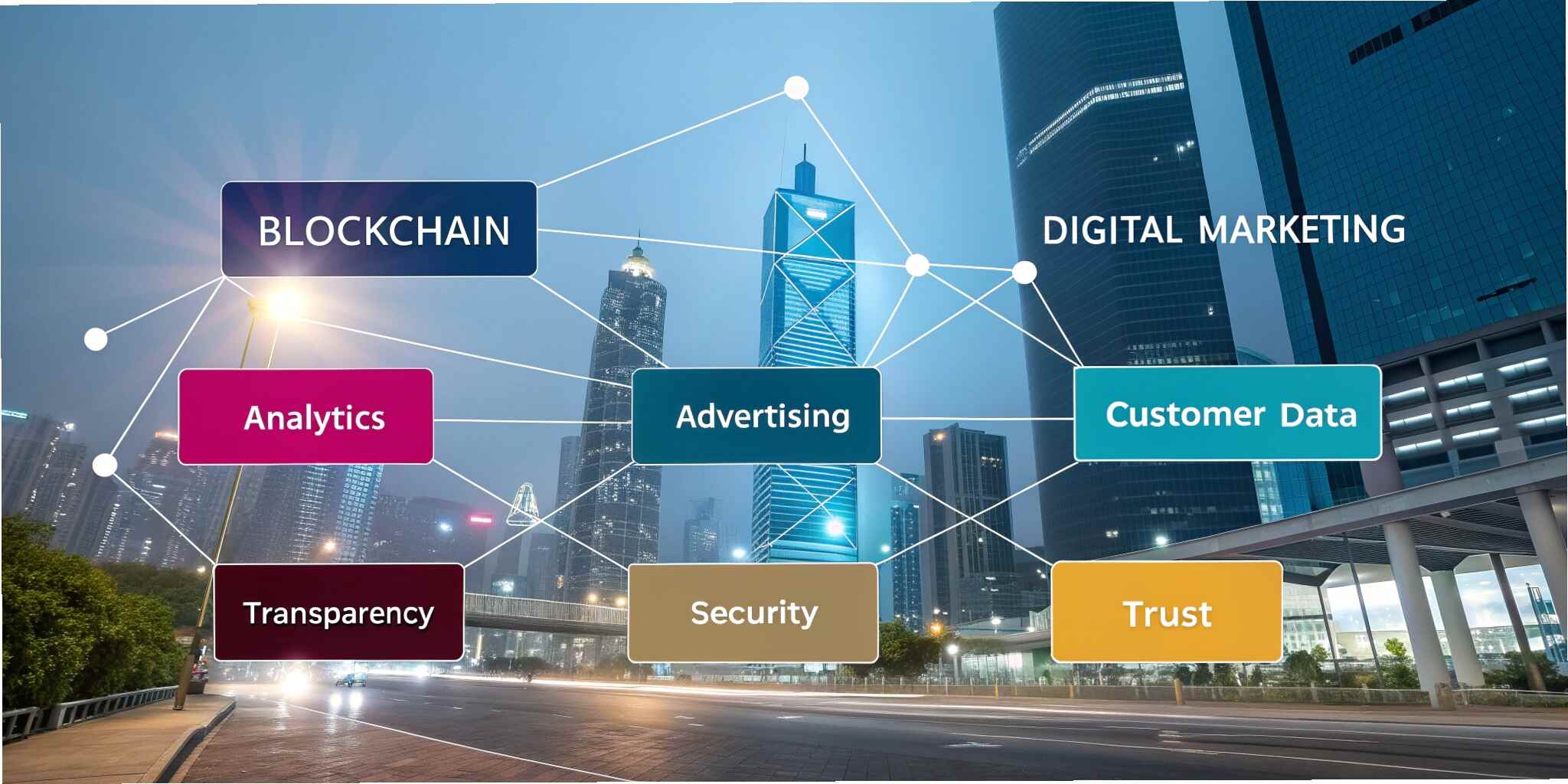
Blockchain is no longer just a buzzword in cryptocurrency circles. It's rapidly making its mark in digital marketing, especially within the tech industry. From securing data transactions to revolutionizing ad targeting, blockchain's decentralized nature is creating new standards of trust, efficiency, and personalization.
1. Transparency in Advertising:
One of the key pain points in digital marketing has been the lack of transparency—especially in programmatic advertising. Blockchain offers an immutable ledger system where every ad impression and click can be verified. This ensures that marketing budgets are spent wisely, reducing fraud and improving ROI.
2. Enhanced Data Privacy and Ownership:
With increasing concerns around user data and privacy regulations like GDPR, blockchain empowers users to control their personal data. Tech companies can now adopt decentralized data platforms where consumers willingly share their information in exchange for value—like tokens or services.
3. Decentralized Ad Networks:
Traditional ad networks often act as middlemen, taking a large cut of marketing spend. Blockchain enables peer-to-peer ad networks where advertisers and publishers interact directly. This results in reduced costs, greater efficiency, and increased revenue for both parties.
4. Smart Contracts for Automated Marketing:
Smart contracts are self-executing contracts with predefined rules written into code. In marketing, they can automate influencer agreements, affiliate payouts, and campaign executions—minimizing human error and ensuring accountability.
5. Combatting Ad Fraud:
Ad fraud costs businesses billions annually. Blockchain's audit trails and consensus mechanisms make it difficult for bots or fake accounts to manipulate campaigns. Marketers can verify identities and ad engagement authentically.
6. Tokenized Loyalty Programs:
Brands are experimenting with blockchain-based loyalty programs using tokens. These programs are more engaging and interoperable across platforms, allowing users to earn and redeem rewards in a more flexible, transparent way.
7. Trust-Based Brand Engagement:
Trust is central to consumer-brand relationships. Blockchain helps build this trust by ensuring authenticity in everything from product sourcing (via QR codes) to honest customer reviews that can’t be tampered with.
Conclusion:
Blockchain technology is not just influencing digital marketing—it’s revolutionizing it. As tech companies explore new frontiers in user engagement, data protection, and performance measurement, blockchain emerges as a foundational tool that promotes fairness, efficiency, and trust. Businesses that adopt early will likely lead the next era of marketing innovation.