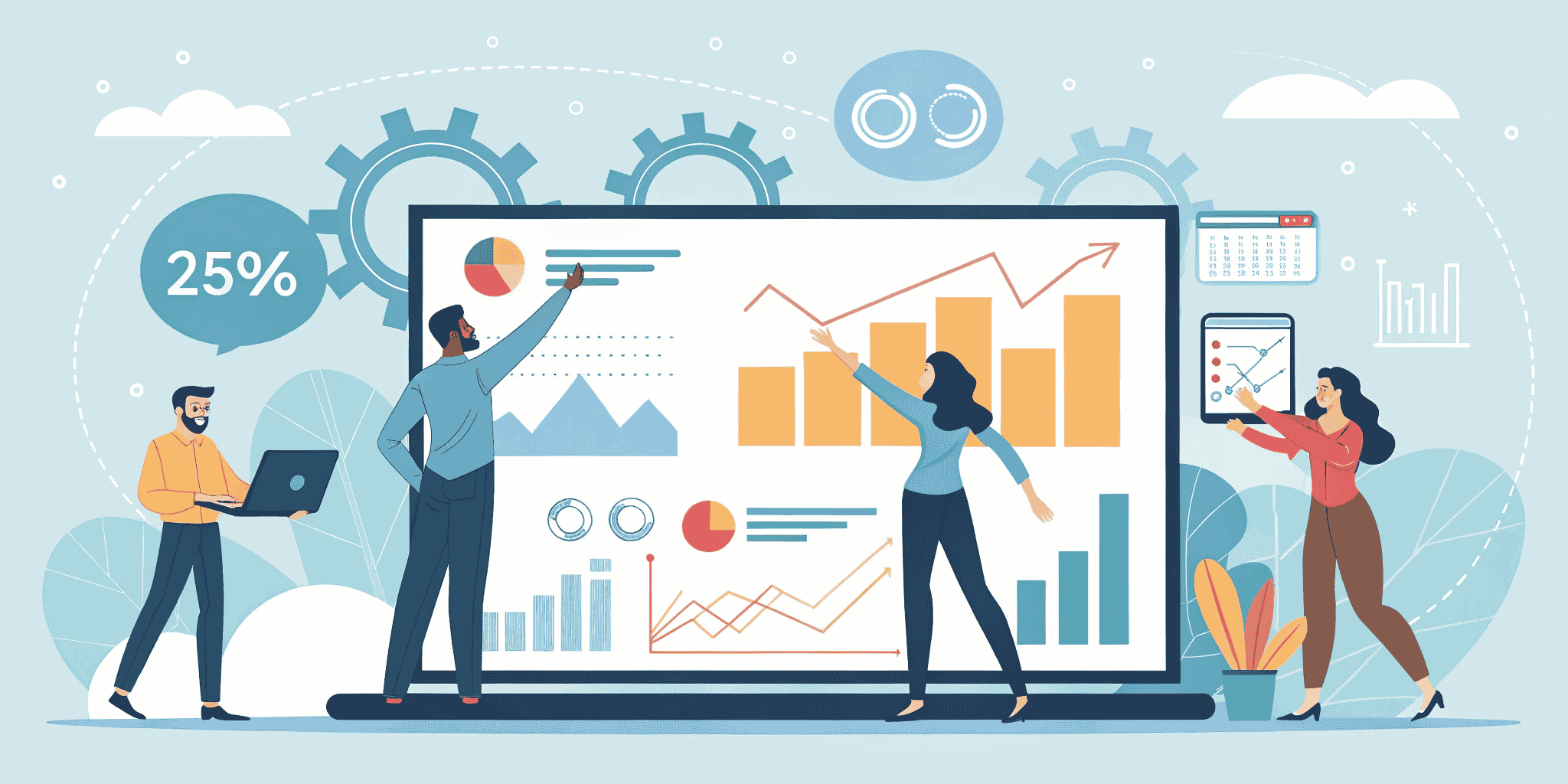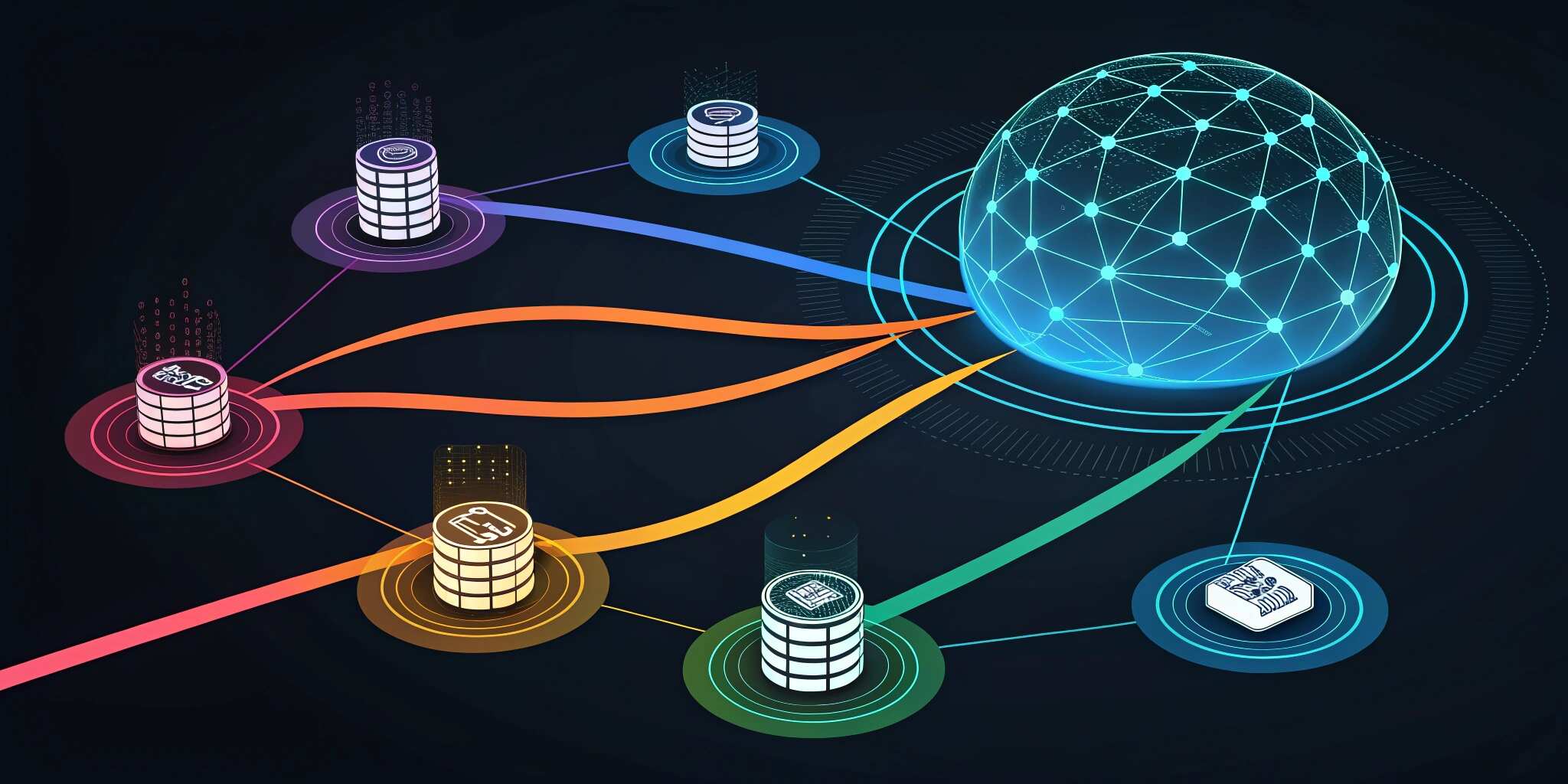
In today’s data-driven world, IT companies handle vast amounts of information every second — from performance metrics and user analytics to customer engagement and project timelines. However, data in its raw form can be overwhelming and difficult to interpret. This is where data visualization tools come in, turning complex datasets into clear, actionable visuals that simplify decision-making and enhance productivity.
1. The Importance of Data Visualization in IT
Data visualization is the process of presenting information in graphical formats such as charts, graphs, and dashboards. Instead of reading through spreadsheets or lengthy reports, decision-makers can instantly understand trends, performance gaps, and opportunities.
For IT companies, where data flows from multiple sources — CRM systems, project management tools, and analytics platforms — visual representation provides clarity and insight at a glance.
When data is visually represented, patterns emerge more easily, helping teams make faster and more accurate business decisions.
2. Turning Data into Actionable Insights
The true power of visualization lies not just in how data looks but in what it reveals. Tools like Power BI, Tableau, and Google Data Studio help transform raw data into real-time, interactive dashboards.
For example:
- A project manager can instantly identify resource bottlenecks.
- A marketing analyst can visualize lead generation trends.
- A CTO can monitor infrastructure performance and system uptime.
With these visual insights, IT teams can move from reactive to proactive decision-making, addressing challenges before they escalate.
3. Enhancing Business Intelligence (BI) Capabilities
Data visualization is at the core of Business Intelligence (BI) — a strategic approach to data analysis that helps organizations make data-backed decisions.
Through BI dashboards, IT leaders can track KPIs such as system efficiency, employee productivity, and client satisfaction. Instead of waiting for periodic reports, they gain real-time visibility into business performance.
This level of insight enables IT firms to:
- Identify underperforming processes.
- Predict future trends using historical data.
- Align projects with company goals and client expectations.
Essentially, visualization turns BI from static reporting into dynamic, continuous learning.
4. Improving Collaboration Across Teams
In IT companies, collaboration between departments — from development and HR to marketing and operations — is crucial. Data visualization tools centralize information, allowing all teams to access a single version of truth.
For instance, HR can monitor workforce productivity, sales can analyze conversion funnels, and IT support can track ticket resolution time — all through the same dashboard.
This shared visibility promotes transparency, improves accountability, and strengthens interdepartmental communication.
5. Real-Time Decision-Making and Predictive Analysis
In the fast-paced IT sector, real-time decision-making can make or break business performance. Data visualization tools integrate with live data sources, providing instant updates as information changes.
This capability is essential for:
- Monitoring system downtime or cybersecurity threats.
- Tracking active user engagement.
- Analyzing financial health or project profitability.
Additionally, when combined with AI and machine learning, visualization tools can support predictive analytics, forecasting trends such as client churn or market demands — enabling companies to act in advance.
6. Simplifying Complex Data for Non-Technical Users
While IT professionals can handle raw datasets, not every stakeholder is data-savvy. Data visualization bridges this gap by making information accessible and understandable to everyone — from top executives to clients.
Dashboards and infographics present complex technical data in a visually intuitive manner, enabling faster decisions without requiring deep analytical expertise.
This democratization of data fosters a data-literate culture across the organization, where everyone participates in data-driven growth.
7. Supporting Strategic Planning and Forecasting
Long-term success in IT depends on accurate forecasting and effective strategy. Visualization tools provide the analytics foundation for this by showing historical performance trends and predictive projections.
Whether planning future investments, allocating resources, or developing new services, IT leaders rely on data visualizations to evaluate scenarios and model business outcomes.
As a result, companies can confidently align digital initiatives with overall growth strategies.
8. Building a Competitive Edge
In an era where speed, innovation, and data intelligence define market leadership, IT companies leveraging visualization tools hold a clear advantage. They make faster decisions, deliver better results, and adapt more effectively to change.
By transforming data into a strategic asset, visualization enables organizations to stay agile, efficient, and customer-focused — the key pillars of digital success.
Conclusion
Data visualization is more than just colorful charts — it’s the language of modern business intelligence. For IT companies, it converts complex data streams into clarity, action, and strategy.
From real-time dashboards to predictive analytics, visualization tools empower teams to make informed decisions, optimize performance, and innovate continuously.
In a world ruled by data, seeing clearly means deciding wisely — and that’s the true power of data visualization in IT.