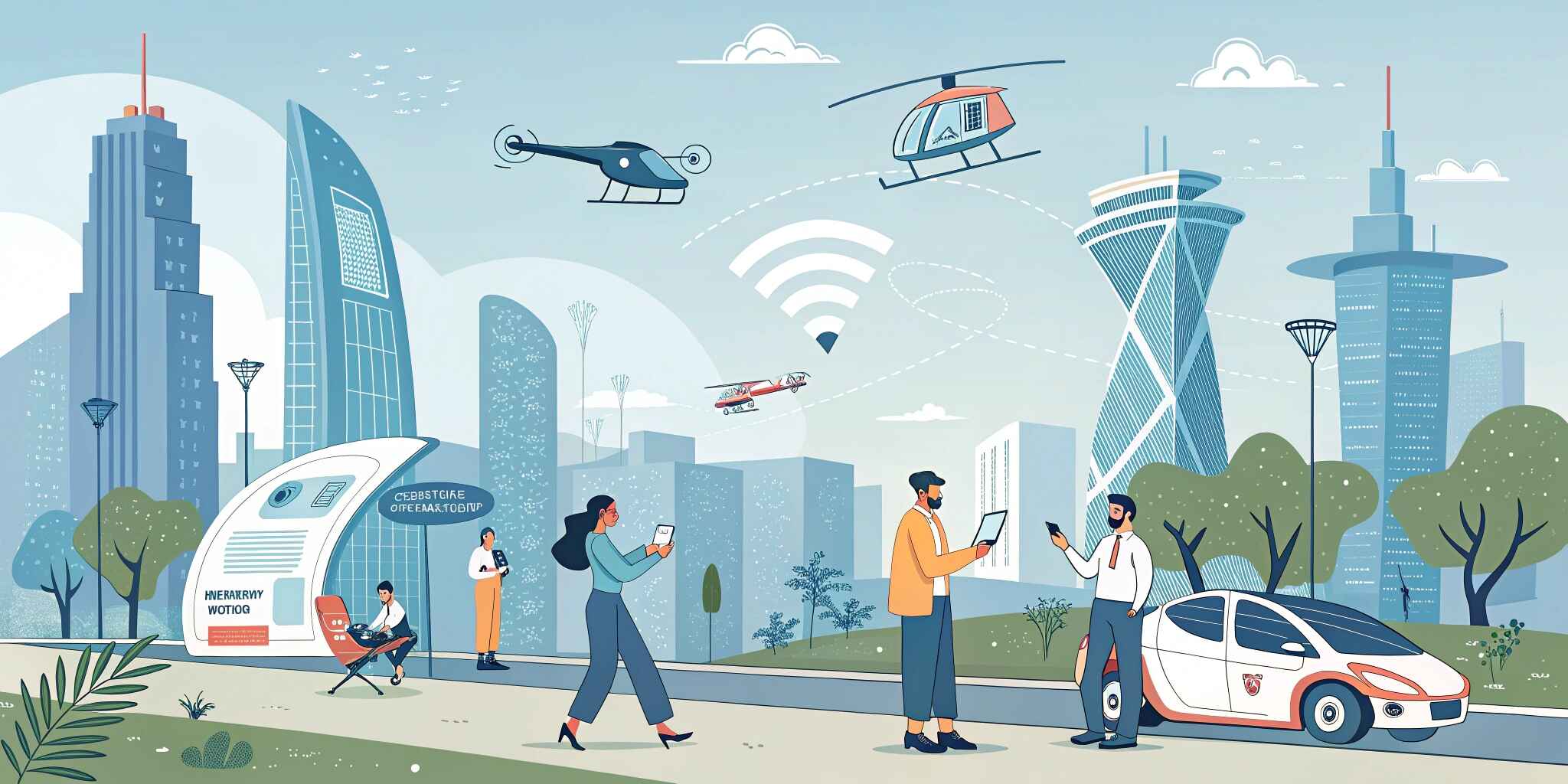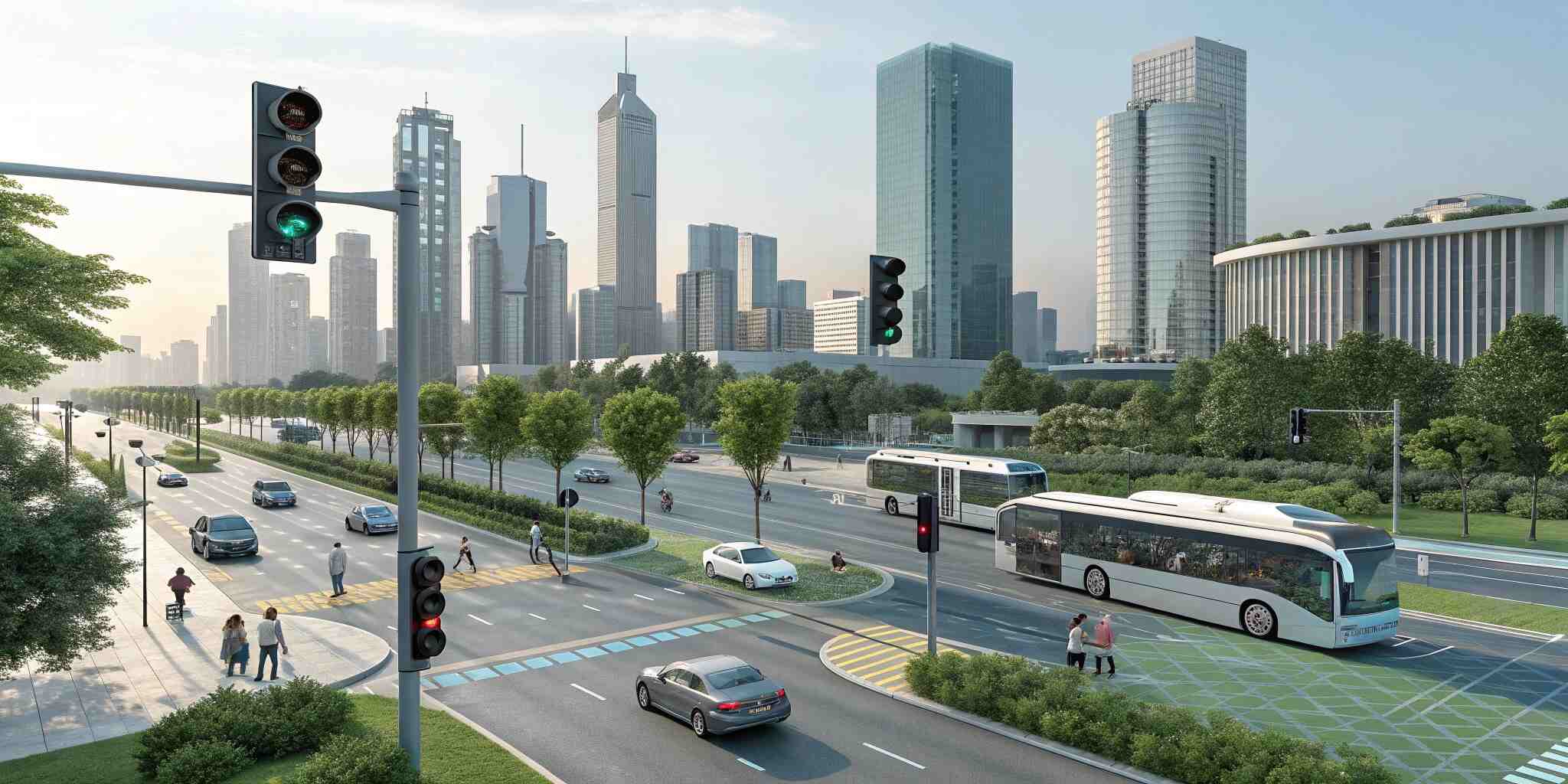
Urban transportation is undergoing a massive transformation as cities adopt digital technologies to manage growing populations and mobility demands. Among these innovations, the Internet of Things (IoT) is emerging as a key driver of change, enabling real-time connectivity, automated decision-making, and efficient public transport experiences. IoT is turning traditional mobility systems into smart, data-driven ecosystems capable of supporting sustainable and seamless movement across cities.
At its core, IoT connects vehicles, infrastructure, sensors, and passengers through networks that communicate in real time. This connectivity allows transport authorities to optimize operations, reduce delays, improve safety, and offer more personalized services. As a result, IoT is helping cities build efficient, resilient, and future-ready transport systems.
One of the biggest applications of IoT in urban mobility is real-time vehicle tracking. Buses, trams, and metros equipped with GPS and sensor-based devices provide live updates on location, speed, and arrival times. Passengers can easily access this information through mobile apps or digital display boards, making travel planning more convenient and predictable. Real-time visibility also allows transport agencies to monitor fleet performance and respond quickly to delays, breakdowns, or route disruptions.
Smart traffic management systems are another major benefit of IoT integration. Cities use IoT-enabled traffic lights, sensors, and cameras to collect data on vehicle flow, congestion levels, and road conditions. This data is analyzed automatically to adjust traffic signals, manage peak-hour flow, and prevent bottlenecks. IoT-based adaptive traffic control can reduce commute times, cut fuel consumption, and minimize carbon emissions—important factors for improving urban sustainability.
IoT is also reshaping public transport infrastructure through predictive maintenance. Traditional maintenance schedules often rely on routine checks or react to breakdowns after they occur. However, IoT sensors installed on engines, brakes, doors, and other components continuously monitor the health of vehicles. This data helps operators detect performance issues early, predict failures, and schedule maintenance before disruptions happen. Predictive maintenance increases vehicle uptime, reduces repair costs, and enhances passenger safety.
Connectivity extends beyond vehicles to passengers themselves. Smart ticketing systems powered by IoT are replacing traditional paper-based methods. Commuters can now use mobile apps, RFID cards, or contactless payments to access services quickly and efficiently. IoT-backed payment systems reduce queues, improve transaction security, and provide valuable data on passenger movement patterns. This information helps city planners identify high-demand routes and optimize transport schedules.
Another transformative impact of IoT is the rise of multimodal mobility solutions. Smart cities are integrating public transport with ride-sharing, bike-sharing, and electric scooter services to create flexible and eco-friendly mobility options. IoT facilitates seamless coordination between these modes by tracking availability, usage, and routes. Passengers can easily discover the fastest and most sustainable travel combinations through connected mobility apps.
Safety and incident management have also improved significantly due to IoT. Sensors, cameras, and emergency alert systems installed in stations and vehicles allow authorities to detect accidents, overcrowding, or suspicious activity in real time. Automated alerts help emergency teams respond faster, preventing injuries and ensuring a safer travel environment. In addition, connected streetlights and pedestrian sensors enhance road safety for both commuters and citizens.
Furthermore, IoT contributes to long-term urban planning by generating large amounts of mobility data. Planners analyze patterns of public transport use, congestion hotspots, fuel consumption, and emission levels to design smarter infrastructure. This data-driven approach ensures that urban mobility evolves in alignment with population growth and sustainability goals.
In conclusion, IoT is revolutionizing urban mobility by making public transport smarter, safer, and more efficient. With advancements in sensors, analytics, and connectivity, the future of transportation is increasingly digital and interconnected. Cities that adopt IoT will benefit from reduced congestion, improved passenger experiences, and sustainable mobility solutions. As urban environments continue to expand, IoT will remain a crucial foundation for building intelligent and connected transportation networks.