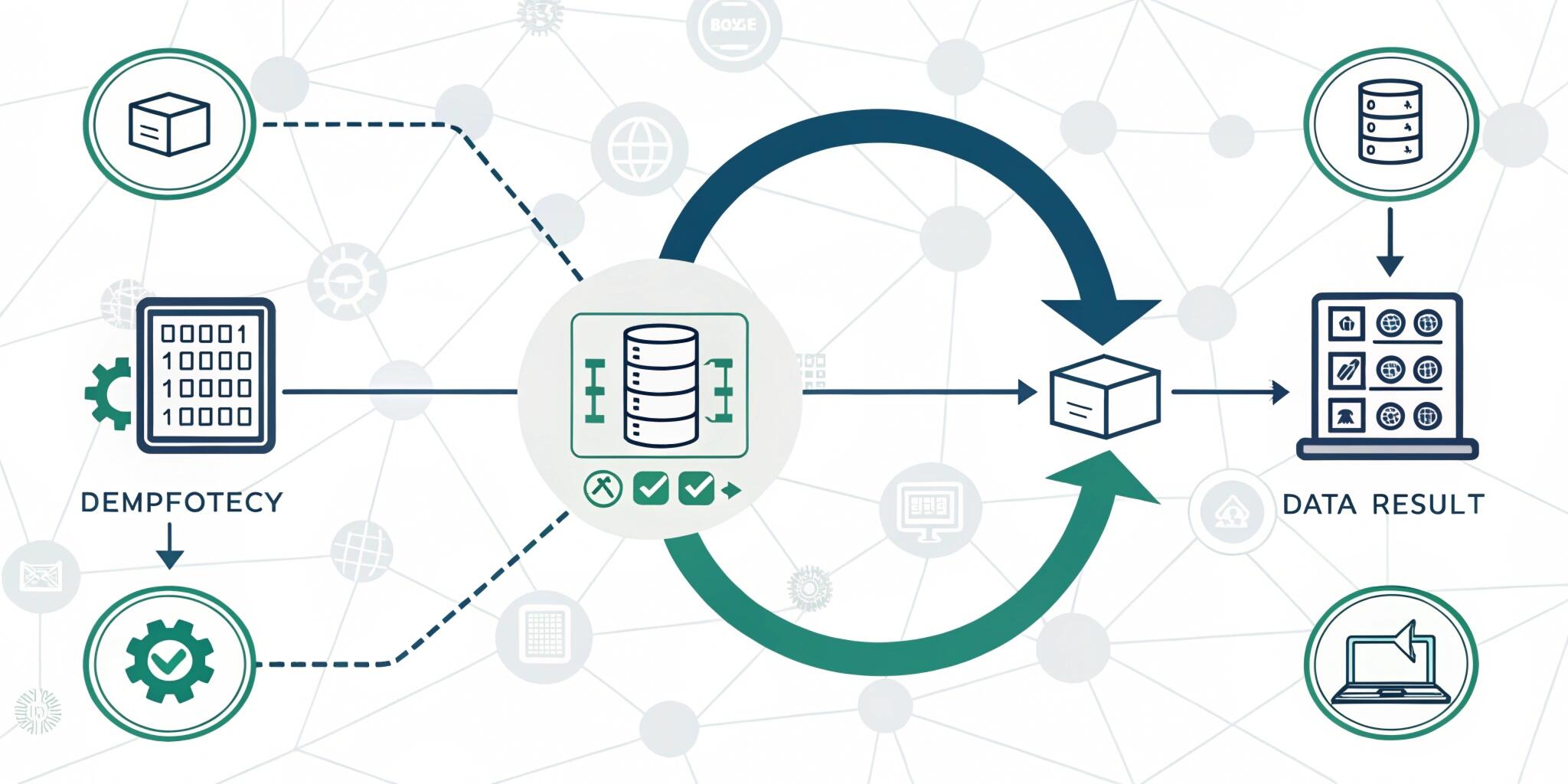
In distributed web systems, failures are not exceptions—they are expected. Network timeouts, service restarts, client retries, and message redelivery are everyday occurrences. Without proper safeguards, these realities can lead to duplicate operations, data corruption, and inconsistent system state. Two key concepts help address these challenges: idempotency and exactly-once processing.
Why Duplicate Operations Happen
In modern web architectures, services communicate over unreliable networks. A client may send a request, experience a timeout, and retry—even if the server already processed the request successfully. Similarly, message brokers may redeliver messages if acknowledgments are delayed or lost.
From the system’s perspective, it is often impossible to distinguish between:
- A request that never arrived
- A request that succeeded but whose response was lost
As a result, duplicate operations are unavoidable.
Understanding Idempotency
An operation is idempotent if performing it multiple times produces the same result as performing it once. Idempotency is a fundamental principle for building reliable APIs and services.
Examples of idempotent operations include:
- Setting a resource to a specific state
- Updating a record using a unique identifier
- Deleting a resource by ID
Non-idempotent operations, such as creating a new order or charging a credit card, require special handling to avoid duplication.
Implementing Idempotent APIs
Idempotency is commonly implemented using idempotency keys. Clients include a unique key with each request, and the server records the result associated with that key. If the same request is received again, the server returns the stored result instead of executing the operation again.
This approach ensures that retries are safe and prevents duplicate side effects. Idempotency keys are widely used in payment systems, order processing APIs, and critical business workflows.
Exactly-Once Processing: The Ideal and the Reality
Exactly-once processing refers to guaranteeing that a message or operation is processed one and only one time, even in the presence of failures. While appealing, true exactly-once semantics are extremely difficult to achieve in distributed systems.
Most real-world systems approximate exactly-once behavior through careful design rather than guaranteeing it absolutely. This distinction is critical for architects and engineers to understand.
At-Least-Once vs At-Most-Once Processing
Message processing systems typically offer one of the following guarantees:
- At-most-once: Messages may be lost but are never duplicated
- At-least-once: Messages are never lost but may be duplicated
At-least-once delivery combined with idempotent consumers is the most common and practical approach for reliable systems.
Achieving Exactly-Once Semantics in Practice
While perfect exactly-once processing is rare, systems can achieve effective exactly-once behavior by combining multiple techniques:
- Idempotent message handlers
- Deduplication based on unique event IDs
- Transactional outbox patterns
- Atomic writes and state transitions
These patterns ensure that even if messages are delivered multiple times, their effects are applied only once.
Database and Transactional Considerations
Databases play a crucial role in enforcing idempotency. Unique constraints, conditional updates, and transactional boundaries prevent duplicate records and inconsistent state.
For example, using a unique order ID with a database constraint ensures that duplicate insert attempts fail safely without corrupting data.
Event-Driven Architectures and Messaging
In event-driven systems, idempotency is essential. Consumers must assume that any message can be delivered more than once. Designing handlers that are safe to re-execute prevents cascading failures and data anomalies.
Exactly-once semantics are often approximated using message offsets, consumer groups, and transactional message processing.
Trade-Offs and Performance Implications
Idempotency and exactly-once patterns introduce overhead. Storing idempotency keys, tracking processed events, and coordinating transactions can impact performance and complexity.
However, the cost of data corruption or inconsistent state is far higher. Reliability-focused systems accept this overhead as a necessary investment.
When These Concepts Matter Most
Idempotency and exactly-once processing are critical for:
- Financial transactions
- Order and inventory management
- Distributed workflows
- Event-driven microservices
- User-facing APIs with retries
Ignoring these principles often leads to subtle, hard-to-detect bugs that surface only under load or failure.
Final Thoughts
In distributed web systems, retries and duplicates are inevitable. Idempotency and exactly-once processing provide the foundation for building systems that remain correct under uncertainty. Rather than fighting failure, these concepts embrace it—transforming unreliable environments into predictable, resilient platforms.