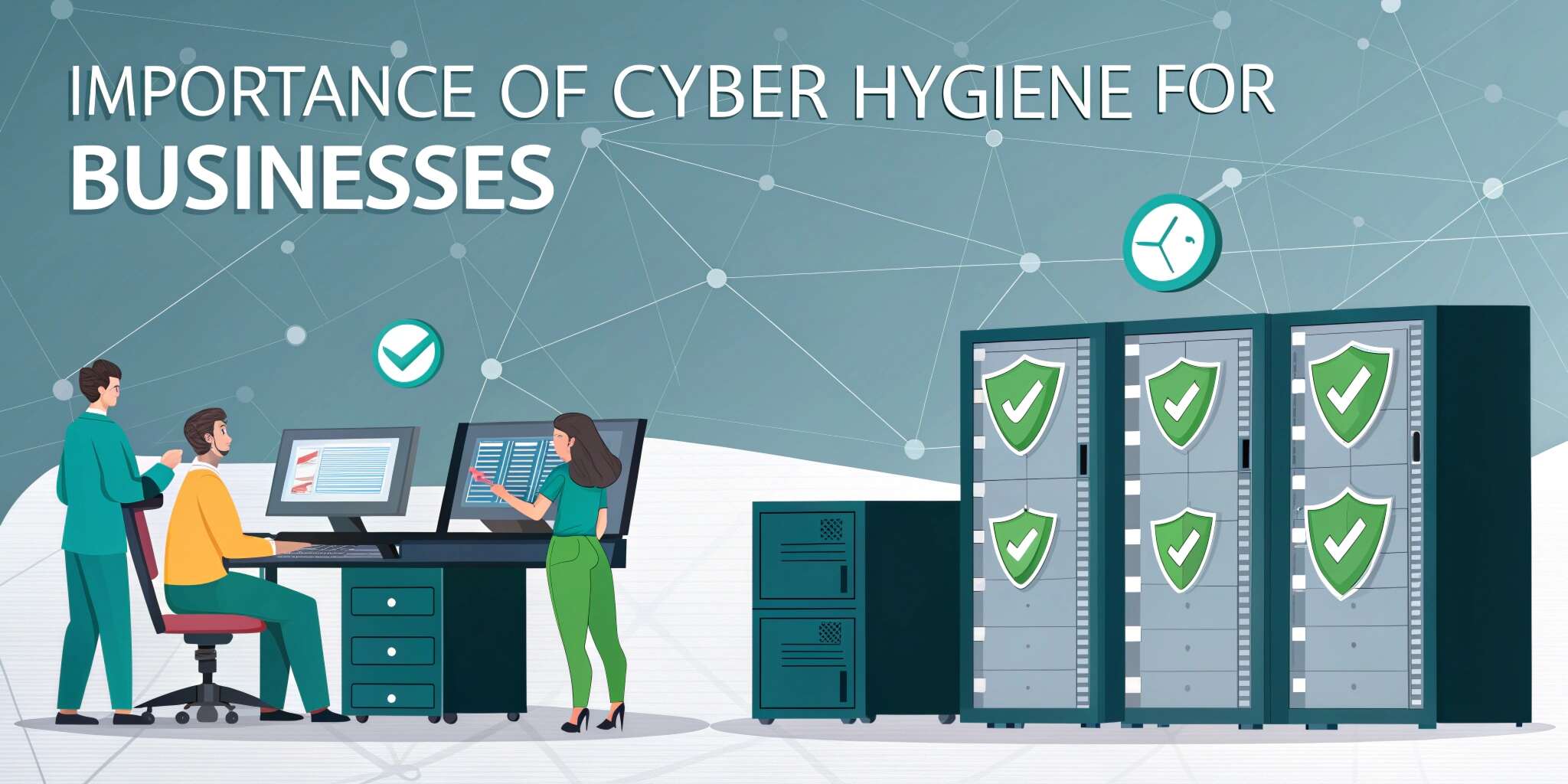
In an increasingly digital business environment, cybersecurity threats are no longer limited to large enterprises. Small and medium-sized businesses are equally vulnerable to cyberattacks, data breaches, and ransomware incidents. Many of these attacks succeed not because of sophisticated hacking techniques but due to poor cyber hygiene. Cyber hygiene refers to the routine practices and behaviors that organizations follow to maintain the health and security of their digital systems. Just as personal hygiene prevents illness, cyber hygiene prevents security breaches and operational disruptions.
One of the most important aspects of cyber hygiene is keeping systems and software up to date. Outdated operating systems, applications, and plugins often contain known vulnerabilities that attackers exploit. Regular patching and updates close these security gaps and reduce the risk of unauthorized access. Businesses that delay updates leave their systems exposed, making them easy targets for automated attacks and malware.
Password management is another critical component of cyber hygiene. Weak, reused, or compromised passwords remain one of the leading causes of data breaches. Businesses should enforce strong password policies, require regular password changes, and encourage the use of password managers. Implementing multi-factor authentication adds an extra layer of security, significantly reducing the risk of account compromise even if passwords are leaked.
Employee awareness plays a major role in maintaining good cyber hygiene. Human error is often the weakest link in security defenses. Phishing emails, malicious links, and social engineering attacks rely on tricking employees into revealing sensitive information. Regular cybersecurity training helps employees recognize threats, respond appropriately, and avoid risky behavior. An informed workforce acts as a strong first line of defense against cyber threats.
Access control and privilege management are equally important for protecting business systems. Employees should only have access to the information and systems necessary for their roles. Limiting access reduces the potential damage caused by compromised accounts or insider threats. Regularly reviewing and revoking access for former employees or role changes ensures that unauthorized users do not retain system privileges.
Data backup and recovery are essential elements of cyber hygiene that often go overlooked. Regularly backing up critical data ensures that businesses can recover quickly from ransomware attacks, hardware failures, or accidental deletions. Backups should be stored securely and tested periodically to ensure they can be restored when needed. A reliable backup strategy minimizes downtime and prevents data loss.
Network security practices also contribute to strong cyber hygiene. Firewalls, antivirus software, and intrusion detection systems help monitor and protect network activity. Businesses should regularly review logs and alerts to identify suspicious behavior early. Continuous monitoring enables faster response times and prevents small incidents from escalating into major security breaches.
Cyber hygiene also includes maintaining secure configurations for devices and systems. Default settings often prioritize convenience over security, making systems vulnerable. Disabling unnecessary services, securing
Wi-Fi networks, and encrypting sensitive data help reduce attack surfaces. Mobile devices, remote work setups, and cloud services should also follow consistent security standards.
Compliance and risk management are additional benefits of good cyber hygiene. Many industries are subject to data protection regulations that require organizations to implement basic security measures. Maintaining cyber hygiene helps businesses meet compliance requirements and avoid legal penalties. More importantly, it demonstrates a proactive approach to protecting customer data and business assets.
Cyber hygiene is not a one-time effort but an ongoing process. As new threats emerge and technologies evolve, businesses must continuously adapt their security practices. Regular audits, assessments, and updates ensure that security measures remain effective. Leadership support and a culture of security awareness are key to sustaining good cyber hygiene across the organization.
In conclusion, cyber hygiene is a fundamental pillar of business cybersecurity. By adopting consistent security practices such as system updates, strong password management, employee training, access control, backups, and monitoring, businesses can significantly reduce their risk of cyberattacks. Good cyber hygiene not only protects digital assets but also strengthens trust, resilience, and long-term business success in an increasingly connected world.