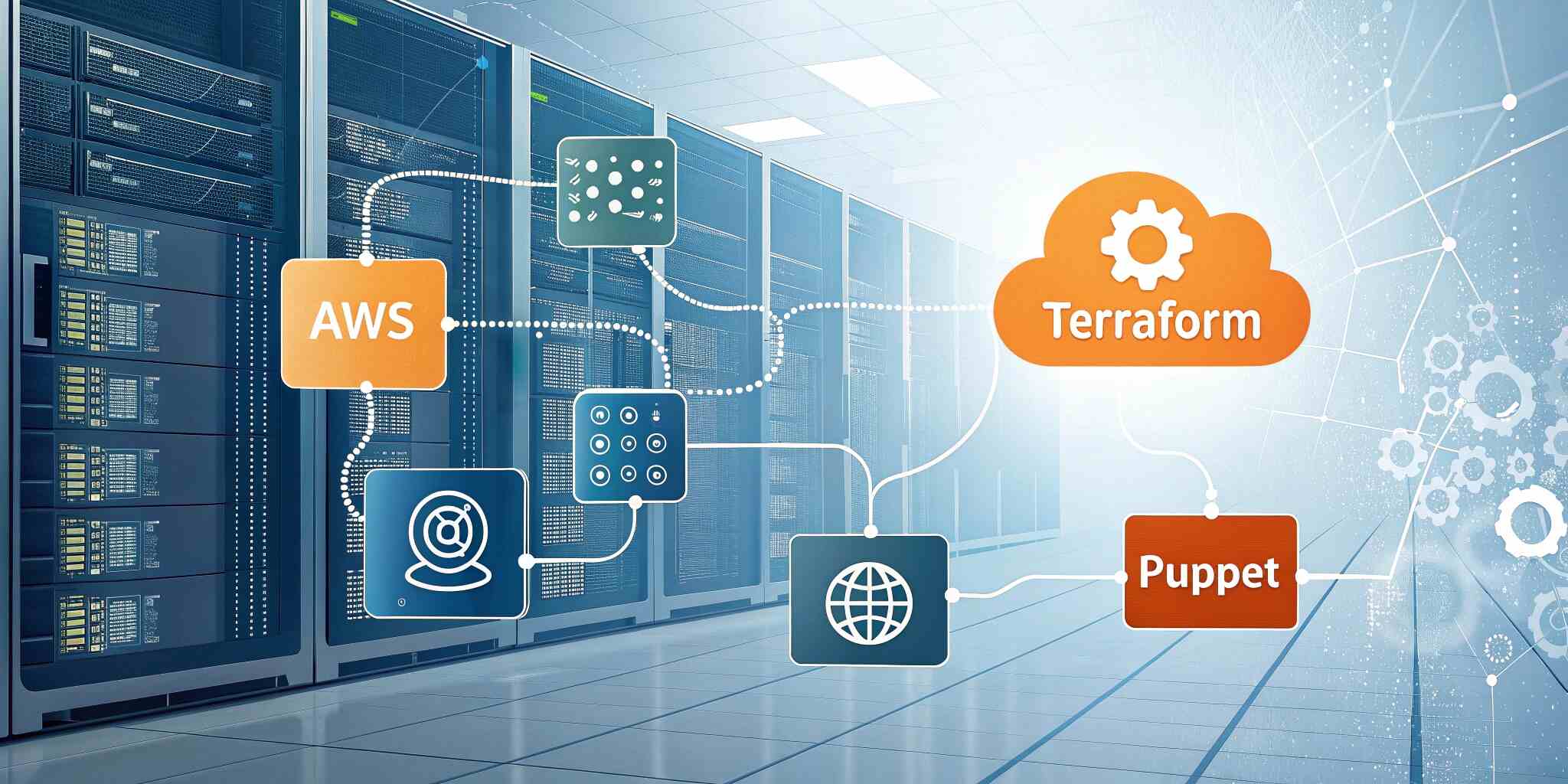
In today’s fast-paced digital world, organizations can’t afford slow, error-prone manual processes for managing infrastructure. With cloud adoption and DevOps practices becoming mainstream, Infrastructure as Code (IaC) has emerged as a game-changer. IaC automates the management and provisioning of IT infrastructure using code, bringing speed, scalability, and consistency to operations.
This article explores why IaC matters, how it works, its benefits, and the tools driving this transformation.
1. What is Infrastructure as Code (IaC)?
Infrastructure as Code is the practice of defining and managing IT infrastructure—servers, networks, storage, and databases—through machine-readable scripts or configuration files instead of manual processes.
Rather than configuring infrastructure step by step, IaC allows teams to treat infrastructure like software: versioned, testable, and repeatable. This eliminates human error and ensures consistency across environments.
Popular IaC tools include Terraform, Ansible, Puppet, and AWS CloudFormation.
2. How IaC Works
IaC relies on descriptive or declarative code to define the desired state of infrastructure. Once the configuration is applied, the IaC tool automatically provisions resources to match the defined state.
Two primary approaches exist:
- Declarative (What you want): Define the desired end state, and the tool figures out how to achieve it. (e.g., Terraform, CloudFormation)
- Imperative (How to get it): Specify step-by-step instructions to achieve the state. (e.g., Ansible, Chef)
Both approaches allow IT teams to automate, standardize, and streamline operations.
3. Benefits of Infrastructure as Code
Adopting IaC offers several advantages that revolutionize IT operations:
- Speed and Efficiency
- Provisioning servers or networks that once took days can now be done in minutes.
- Consistency and Reliability
- IaC eliminates “configuration drift” by ensuring all environments (dev, staging, production) remain identical.
- Scalability
- Enterprises can easily scale resources up or down to meet demand without manual intervention.
- Version Control and Collaboration
- Infrastructure definitions can be stored in Git, enabling collaboration, auditing, and rollbacks.
- Cost Optimization
- Automated provisioning and scaling reduce unnecessary infrastructure spending.
4. IaC in DevOps and Cloud-Native Environments
IaC is central to DevOps pipelines, enabling continuous integration and delivery (CI/CD). By integrating infrastructure provisioning into automated workflows, teams can:
- Deploy new applications faster.
- Roll out updates seamlessly.
- Reduce downtime and manual dependencies.
In cloud-native ecosystems, IaC also works with Kubernetes and containerized environments to automate deployment at scale.
5. Popular IaC Tools and Their Strengths
- Terraform: Open-source, cloud-agnostic, widely used for declarative infrastructure.
- Ansible: Agentless, simple, and great for configuration management.
- Puppet & Chef: Strong in large-scale configuration and compliance management.
- AWS CloudFormation & Azure Resource Manager: Tight integration with specific cloud providers.
Choosing the right tool depends on the organization’s cloud strategy and team expertise.
6. Challenges of IaC
While IaC offers enormous benefits, challenges exist:
- Learning Curve: Teams must learn new tools and coding practices.
- Security Risks: Misconfigured scripts can expose sensitive resources.
- Tool Sprawl: Multiple IaC tools may increase complexity.
Overcoming these requires training, governance, and robust security practices.
7. The Future of IaC
The future of IaC is tied to the evolution of automation, AI, and cloud-native infrastructure. We can expect:
- AI-driven IaC for predictive resource provisioning.
- Deeper integration with security (DevSecOps).
- Advanced orchestration for multi-cloud and hybrid environments.
As organizations scale digitally, IaC will remain at the heart of IT modernization.
Conclusion
Infrastructure as Code (IaC) is not just a trend—it’s a revolution in IT operations. By automating provisioning, improving consistency, and aligning with DevOps, IaC is enabling organizations to innovate faster and operate more efficiently. For enterprises navigating the digital future, IaC adoption is no longer optional—it’s essential.