Main Content
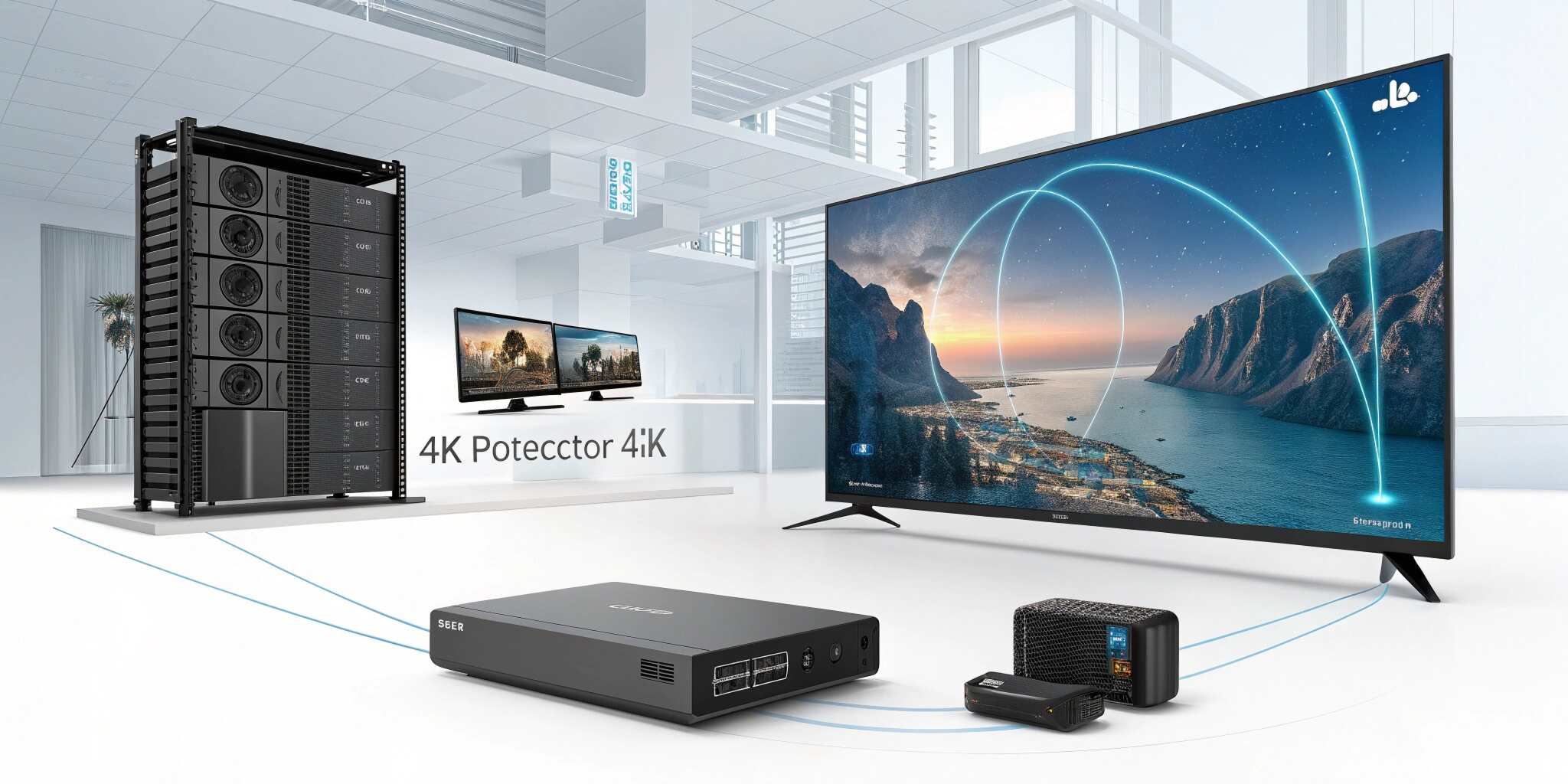
The demand for ultra-high-definition video content has grown rapidly over the past few years. Viewers no longer settle for standard HD; instead, they expect crystal-clear visuals, richer colors, and immersive detail. Instant 4K and 8K streaming represents the next major leap, delivering extremely high-resolution content in real time without lag, buffering, or quality drops.
What Is Instant 4K/8K Streaming?
Instant 4K and 8K streaming refers to the ability to deliver ultra-high-definition video content almost immediately, with minimal latency and seamless playback. Unlike traditional streaming, where high-resolution content often requires long buffering times or powerful hardware, instant streaming ensures smooth delivery even at massive resolutions like 3840×2160 (4K) and 7680×4320 (8K).
This advancement is made possible by combining faster network infrastructure, intelligent content delivery systems, and efficient video compression technologies.
Key Technologies Powering Instant UHD Streaming
Several innovations work together to make instant 4K/8K streaming possible:
Advanced Video Compression Codecs
Modern codecs such as HEVC (H.265), AV1, and VVC significantly reduce file sizes while maintaining high visual quality. These codecs allow platforms to stream 4K and 8K content using less bandwidth compared to older formats.
Adaptive Bitrate Streaming (ABR)
ABR technology dynamically adjusts video quality based on the user’s internet speed and device capability. This ensures uninterrupted playback by switching between quality levels without noticeable disruption.
Edge Computing
Edge computing brings content closer to the user by processing and caching video data at edge servers rather than centralized data centers. This reduces latency and speeds up content delivery, which is critical for real-time UHD streaming.
Content Delivery Networks (CDNs)
Modern CDNs distribute video content across global servers, ensuring faster access regardless of geographic location. Optimized CDNs are essential for handling the heavy data loads of 4K and 8K streams.
AI-Powered Streaming Optimization
Artificial intelligence plays a major role in predicting network congestion, optimizing compression, and improving playback quality. AI models analyze viewing behavior and network conditions to deliver the best possible stream instantly.
Use Cases of Instant 4K/8K Streaming
Instant UHD streaming is transforming multiple industries:
Entertainment and OTT Platforms
Streaming services now offer movies, series, and live events in 4K and 8K quality, enhancing viewer immersion and engagement.
Live Sports and Events
Ultra-high-definition live streaming allows audiences to experience sports and concerts with incredible detail, multiple camera angles, and near-real-time interaction.
Cloud Gaming
High-resolution cloud gaming depends heavily on low-latency streaming. Instant 4K streaming enables realistic graphics and smooth gameplay without requiring expensive local hardware.
Virtual Reality and Metaverse Experiences
VR and metaverse platforms rely on ultra-high-resolution video to create immersive digital environments, making instant streaming a critical component.
Education and Professional Broadcasting
Medical training, virtual classrooms, and professional broadcasting benefit from sharper visuals and real-time UHD content delivery.
Challenges in Instant 4K/8K Streaming
Despite its advantages, instant UHD streaming comes with challenges. High bandwidth requirements can still be a limitation in regions with slower internet speeds. Device compatibility is another concern, as not all screens or hardware support 8K playback efficiently. Additionally, data consumption costs and energy usage remain important considerations for both users and service providers.
The Future of Instant UHD Streaming
As 5G, fiber networks, and next-generation Wi-Fi technologies become more widespread, instant 4K and 8K streaming will become the standard rather than the exception. Continued improvements in AI optimization, compression techniques, and cloud infrastructure will further reduce latency and bandwidth demands.
In the near future, viewers can expect hyper-realistic visuals, interactive live content, and seamless streaming experiences across devices. Instant 4K/8K streaming is not just an upgrade in resolution—it represents a complete transformation in how digital content is delivered and consumed.