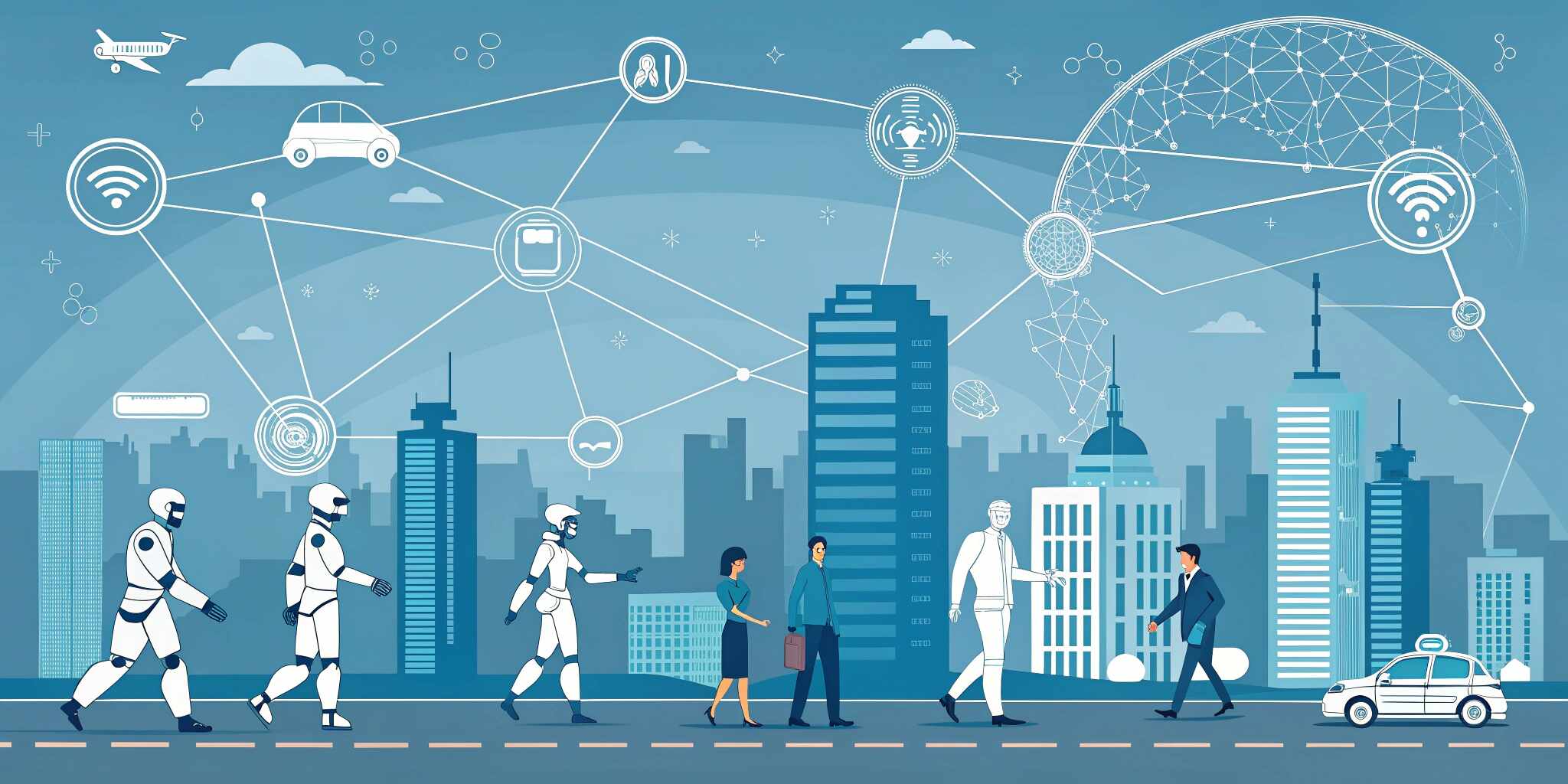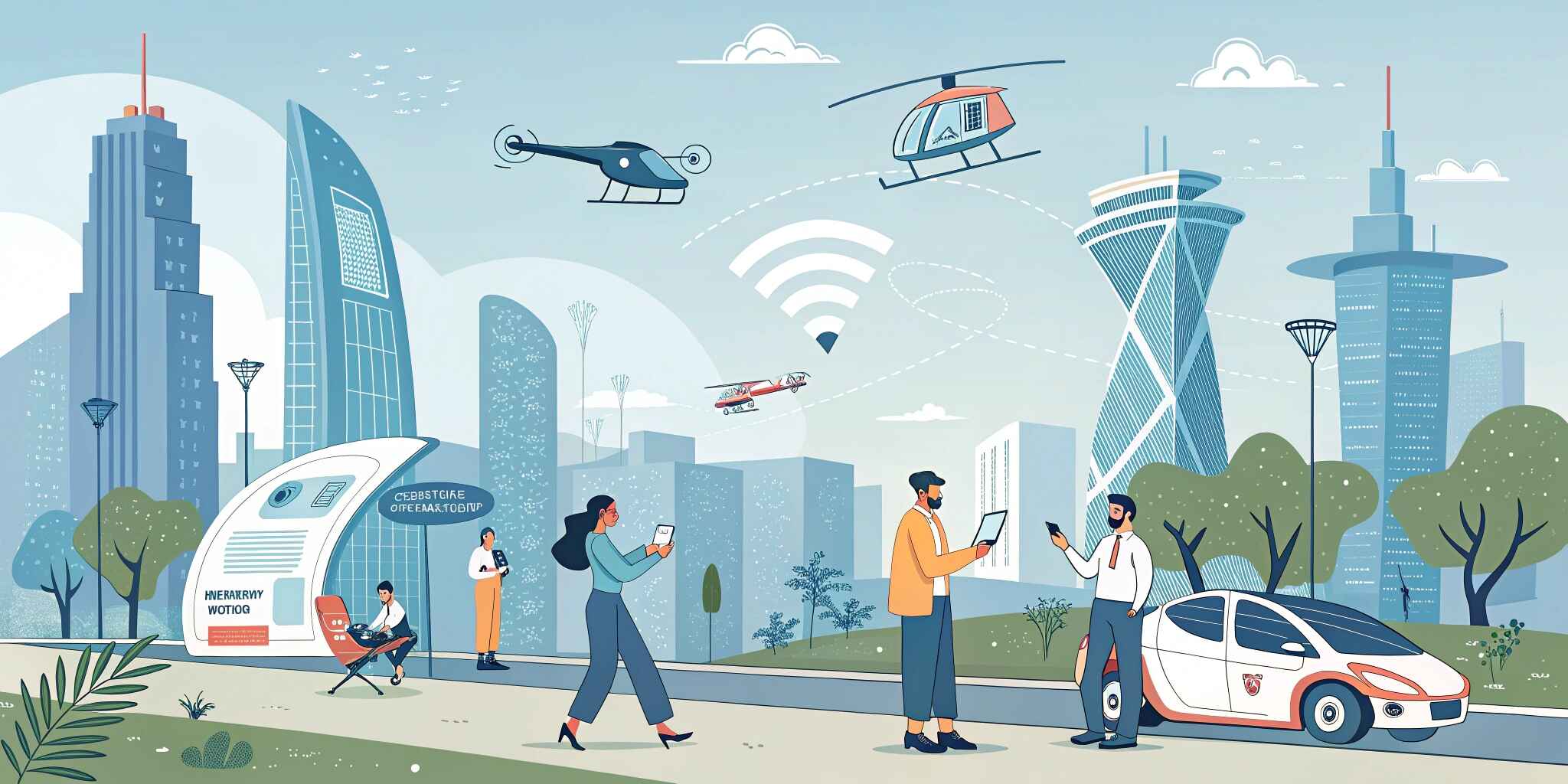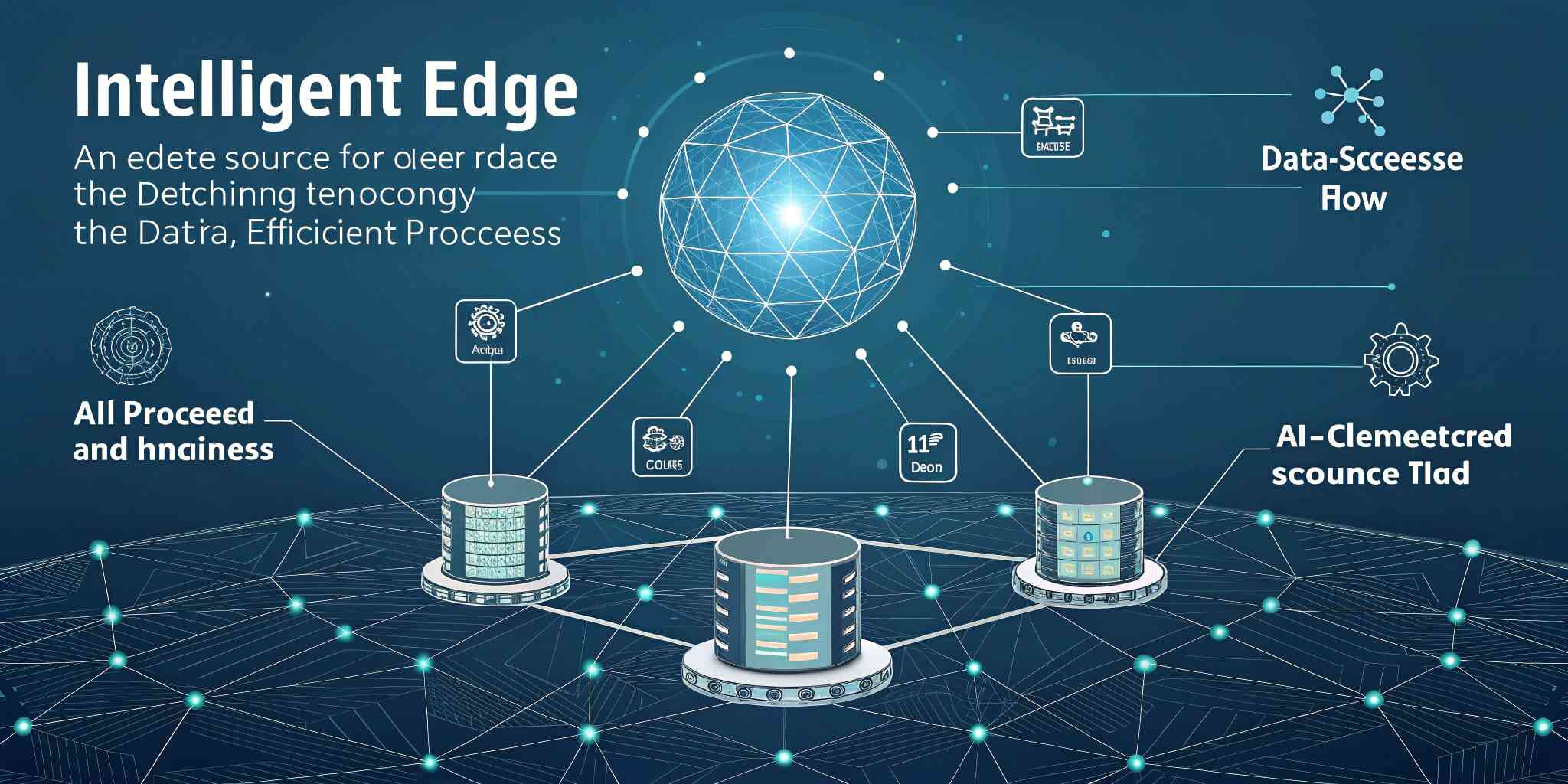
The evolution of technology has led us toward a new era where data is not just collected but acted upon instantly — right at its source. This transformation is powered by Intelligent Edge, a groundbreaking concept that merges the capabilities of Artificial Intelligence (AI) with edge computing. By processing data locally instead of relying on distant cloud servers, Intelligent Edge enables faster insights, real-time analytics, and a significant reduction in latency, marking a shift in how industries handle digital information.
In traditional cloud-based systems, data generated by devices is sent to a centralized data center for processing. While effective for large-scale analysis, this model often struggles with time-sensitive applications. The lag caused by data transmission can be detrimental in scenarios like autonomous driving, healthcare monitoring, or industrial automation, where milliseconds matter. Intelligent Edge addresses this challenge by embedding AI directly into edge devices such as sensors, routers, and gateways. This proximity to the data source allows decisions to be made instantly, leading to quicker responses and improved system efficiency.
One of the most significant advantages of Intelligent Edge is latency reduction. By analyzing data locally, edge AI systems eliminate the delay caused by sending information back and forth to the cloud. This is particularly beneficial for applications like smart traffic systems, robotics, and augmented reality, where immediate processing is essential. Additionally, Intelligent Edge enhances data privacy and security since sensitive data can be processed locally without being exposed to external networks.
The integration of AI and edge computing is transforming industries in profound ways. In healthcare, for instance, wearable devices equipped with AI algorithms can monitor patients in real-time, detecting irregularities like heart rate fluctuations or oxygen level drops without relying on constant cloud connectivity. In manufacturing, predictive maintenance powered by edge AI helps identify equipment malfunctions before they escalate, minimizing downtime and operational costs. Retailers are also leveraging Intelligent Edge for in-store analytics, using AI cameras to track customer behavior and optimize store layouts instantly.
Another driving force behind the Intelligent Edge revolution is the rise of 5G technology. With its ultra-fast speeds and low latency, 5G enables seamless communication between edge devices and the cloud, creating a hybrid infrastructure where local and centralized processing coexist efficiently. This combination amplifies the potential of AI applications, allowing for scalable and intelligent systems that adapt in real time.
Despite its immense potential, Intelligent Edge comes with challenges. Managing distributed systems, ensuring data consistency, and maintaining cybersecurity across numerous devices require robust frameworks. Moreover, developing lightweight AI models optimized for limited hardware resources remains a technical hurdle. However, advancements in neural network compression, federated learning, and hardware acceleration are rapidly overcoming these obstacles, paving the way for widespread adoption.
The future of Intelligent Edge lies in synergizing AI, IoT, and cloud ecosystems. Instead of replacing cloud computing, the edge complements it by handling time-critical data locally while the cloud manages long-term analytics and storage. This balance ensures both responsiveness and scalability. As industries continue to embrace digital transformation, Intelligent Edge will play a vital role in powering connected ecosystems — from smart factories and autonomous vehicles to immersive AR/VR experiences.
Conclusion:
Intelligent Edge represents a paradigm shift in the world of AI and data processing. By bringing computation closer to the source, it delivers faster, safer, and smarter solutions across industries. As technology continues to evolve, the collaboration between AI, edge computing, and 5G will redefine how we interact with the digital world — enabling an intelligent, real-time, and interconnected future.