In today’s fast-paced digital economy, IT outsourcing has become a strategic necessity rather than just a cost-cutting measure. Companies across industries are outsourcing their technology functions to gain access to specialized skills, enhance scalability, and remain competitive in a globalized marketplace.
However, while outsourcing offers numerous advantages, it also comes with challenges that require careful management. As we move into the future, evolving trends such as automation, AI, and remote collaboration are reshaping the outsourcing landscape entirely.
1. What is IT Outsourcing?
IT outsourcing refers to the delegation of technology-related tasks — such as software development, infrastructure management, support, or cybersecurity — to external vendors or service providers. Businesses choose outsourcing to save time, reduce operational costs, and focus on core activities while leveraging global expertise.
Common forms of IT outsourcing include:
- Offshoring: Hiring vendors from distant countries to leverage cost advantages.
- Nearshoring: Outsourcing to nearby countries within similar time zones.
- Onshore outsourcing: Partnering with local providers for easier collaboration.
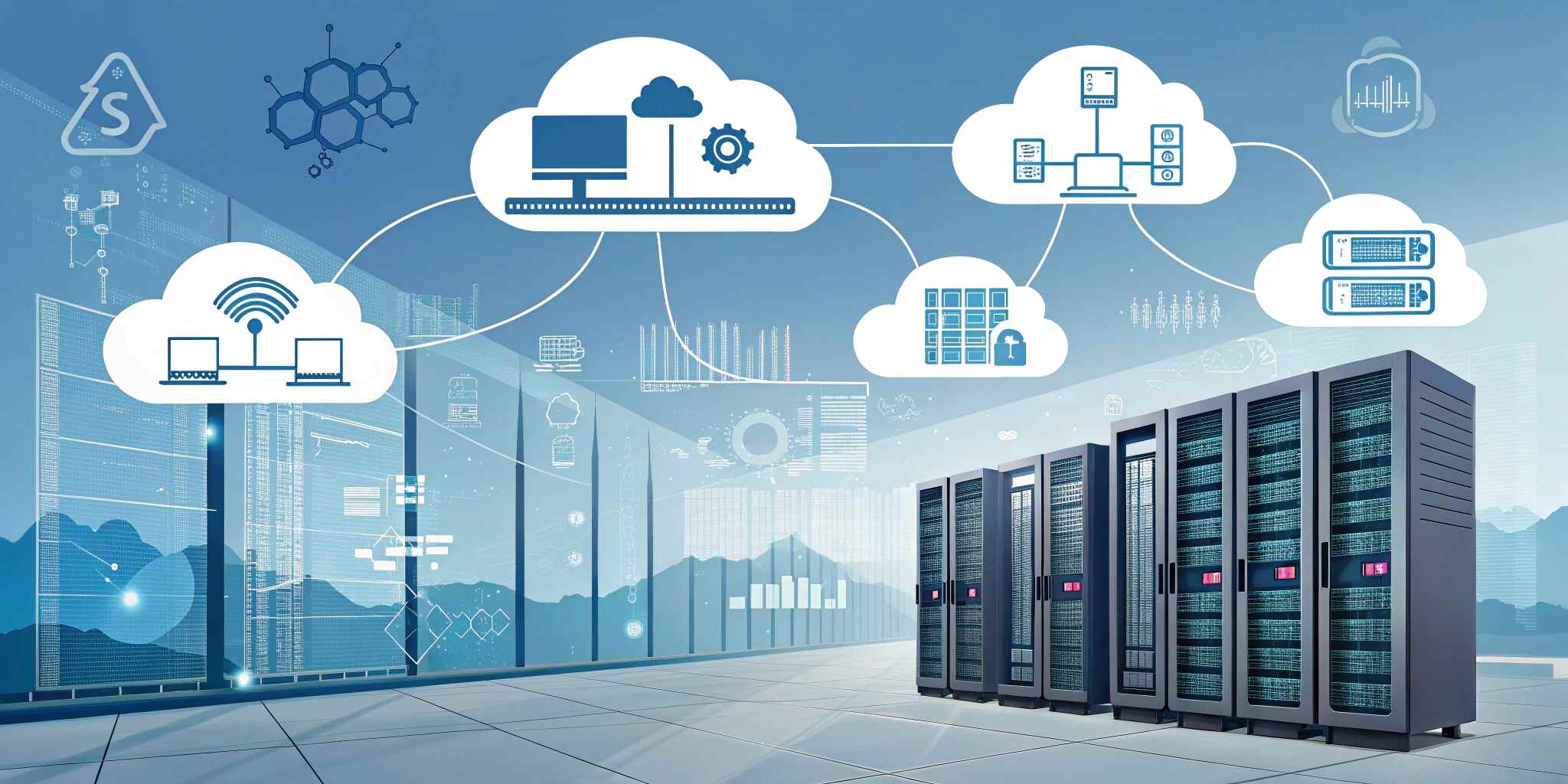
- Cloud outsourcing: Relying on third-party providers for cloud computing and data storage.
2. The Pros of IT Outsourcing
a. Cost Efficiency
One of the biggest advantages of outsourcing is cost reduction. Companies save money by eliminating the need for in-house infrastructure, recruitment, and training. Offshore vendors, particularly in Asia and Eastern Europe, offer high-quality services at significantly lower rates.
b. Access to Global Talent
Outsourcing opens access to a global pool of skilled professionals, ensuring businesses can tap into expertise that may be unavailable locally. This flexibility accelerates innovation and enables round-the-clock operations.
c. Scalability and Flexibility
Outsourcing provides the ability to scale IT resources up or down based on project needs. Businesses can quickly adapt to market changes without the long-term commitments of hiring full-time staff.
d. Focus on Core Business Functions
By outsourcing non-core IT functions, companies can concentrate on strategic initiatives such as business growth, customer engagement, and product innovation, rather than spending time on technical maintenance.
e. Faster Time-to-Market
Outsourcing partners often have established processes, experienced teams, and the latest tools — enabling faster product development and deployment.
3. The Cons of IT Outsourcing
While outsourcing provides significant benefits, it also presents certain challenges:
a. Communication Barriers
Working across time zones, languages, and cultures can create communication gaps, impacting collaboration and project timelines.
b. Security and Privacy Risks
Outsourcing IT operations means sharing sensitive company data with third parties. Without robust security measures, this can lead to data breaches or compliance issues.
c. Loss of Control
Businesses may feel a loss of control over project quality, progress, or timelines when working with external teams.
d. Dependency on Vendors
Overreliance on a single vendor can create risks in continuity and flexibility. Vendor lock-in may make it difficult to switch providers or bring operations back in-house.
e. Quality Variability
Not all outsourcing firms maintain the same quality standards. Choosing the wrong partner can lead to subpar results or rework costs.
4. Future Trends in IT Outsourcing
As technology continues to evolve, IT outsourcing is transforming from a transactional service into a strategic partnership model. Several trends will shape its future:
a. Automation and AI Integration
Automation tools and AI-driven platforms are revolutionizing outsourcing by improving productivity and reducing human error. Routine IT tasks such as monitoring, support, and analytics are increasingly handled by intelligent systems.
b. Nearshore Outsourcing Growth
Many companies are shifting from offshoring to nearshoring to improve collaboration, cultural alignment, and time-zone compatibility. This approach enhances real-time communication and quality control.
c. Rise of Managed Services
Instead of traditional outsourcing contracts, organizations are opting for managed service models — where vendors take full responsibility for maintaining, upgrading, and optimizing IT functions.
d. Cloud and Remote Infrastructure Outsourcing
With the rapid adoption of cloud computing, businesses are outsourcing infrastructure management, migration, and security to cloud specialists. This allows them to focus on innovation rather than maintenance.
e. Emphasis on Security and Compliance
As cyber threats grow, outsourcing vendors are investing heavily in cybersecurity frameworks, data protection policies, and compliance certifications to meet client demands.
f. Outcome-Based Partnerships
The future of outsourcing lies in value-driven collaboration — where success is measured not by hours billed but by outcomes delivered, such as innovation, performance, and user satisfaction.
5. The Road Ahead
IT outsourcing is no longer just about saving money — it’s about strategic growth, digital acceleration, and innovation. Businesses that treat outsourcing as a partnership rather than a transaction gain long-term value, resilience, and competitive advantage.
As technology ecosystems evolve, successful outsourcing will depend on transparency, shared vision, and continuous improvement. Companies that strike the right balance between internal capability and external expertise will lead the next era of digital transformation.