Introduction
In today’s digital-first world, businesses are under constant pressure to deliver fast, scalable, and user-centric experiences. Traditional monolithic architectures often struggle to meet these demands due to their rigid structures and heavy reliance on back-end processes. Enter Jamstack and headless/API-first architectures—modern approaches that are transforming how applications are built, deployed, and scaled. These architectures offer greater flexibility, enhanced performance, and the ability to adapt quickly to evolving business needs.
What is Jamstack?
Jamstack stands for JavaScript, APIs, and Markup. It is a modern web development architecture designed to decouple the front-end from the back-end. Instead of rendering pages dynamically on a server, Jamstack leverages pre-built static files served via Content Delivery Networks (CDNs), with dynamic functionality added through APIs.
Key benefits of Jamstack:
- Performance: Pre-rendered static files load faster and are delivered globally via CDNs.
- Security: With no direct connection to databases or servers, attack surfaces are significantly reduced.
- Scalability: Static files make it easier to scale globally without complex server configurations.
- Developer Experience: Developers can use modern frameworks like Next.js, Gatsby, and Nuxt to rapidly build interactive frontends.
Understanding Headless / API-First Architectures
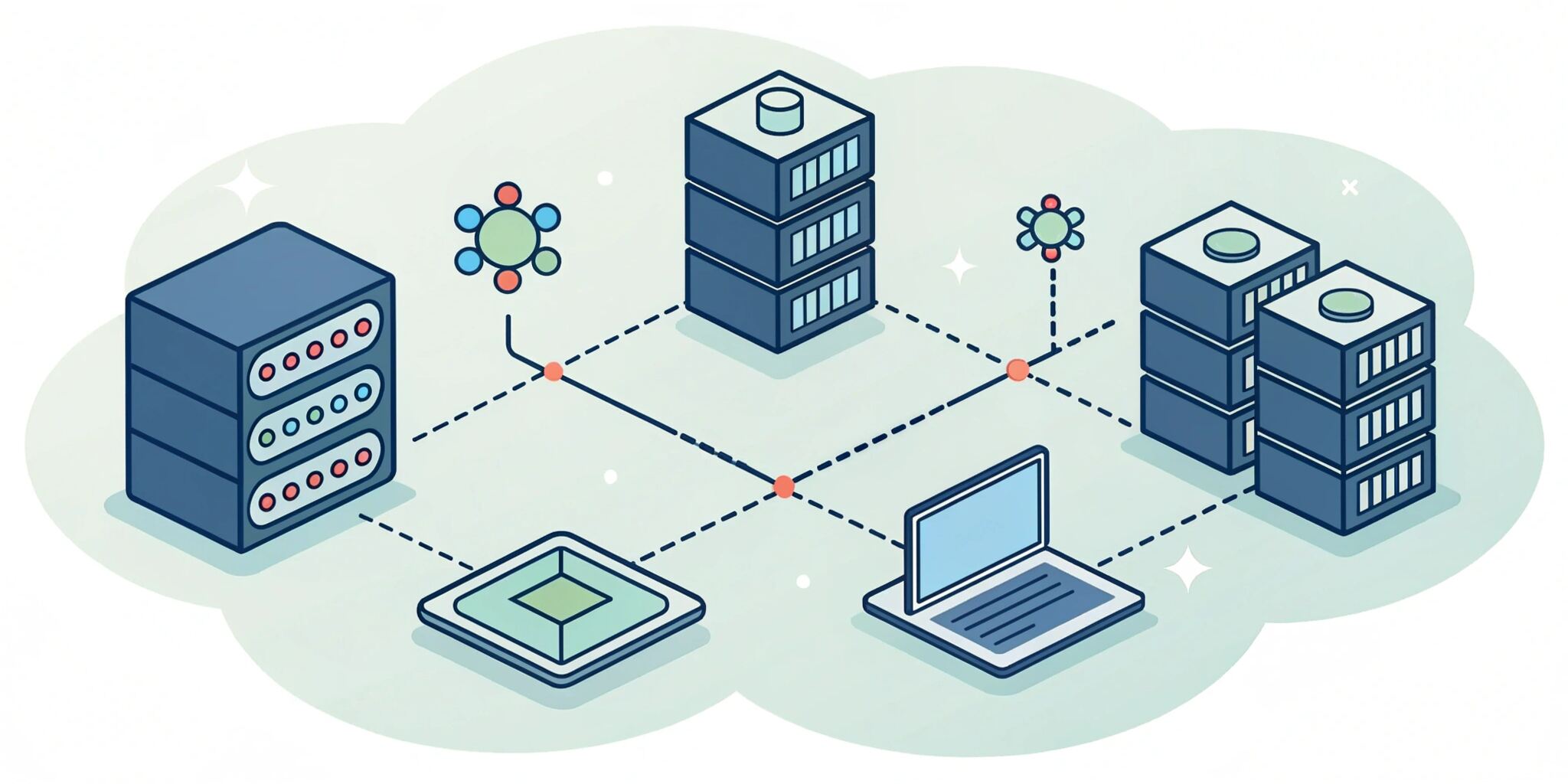
A headless architecture separates the presentation layer (frontend) from the content and logic layers (backend). In this setup, a headless CMS or backend system manages content, while APIs deliver data to any frontend or device—be it a website, mobile app, or IoT platform.
API-First development emphasizes designing robust APIs from the beginning. Instead of building an application and then adding APIs later, APIs become the foundation of the system, ensuring seamless integration and flexibility.
Benefits of headless/API-first architectures:
- Omnichannel Delivery: Content can be delivered to websites, apps, voice assistants, and more.
- Flexibility: Developers are free to choose the best frontend technology.
- Faster Time-to-Market: Reusable APIs and content models accelerate development.
- Future-Proofing: Decoupled systems adapt better to evolving technologies.
Jamstack + Headless: A Perfect Match
When combined, Jamstack and headless architectures create a powerful ecosystem. A headless CMS provides structured content through APIs, while the Jamstack frontend consumes this data and delivers lightning-fast experiences.
For example, consider an e-commerce platform:
- The headless CMS manages product details, inventory, and promotions.
- APIs handle secure transactions and third-party integrations like payment gateways.
- The Jamstack frontend delivers pre-rendered pages with dynamic updates via APIs, ensuring fast load times and global reach.
This synergy not only improves customer experiences but also simplifies scaling and maintenance.
Use Cases Across Industries
- E-Commerce: Faster page loads lead to higher conversion rates, while APIs handle checkout, payments, and shipping.
- Media & Publishing: Centralized content delivered across websites, apps, and digital kiosks.
- SaaS Platforms: Scalable, secure solutions with API-driven integrations for third-party services.
- Corporate Websites: Global brands leverage Jamstack and headless CMS for performance and localization.
Challenges to Consider
While Jamstack and headless architectures offer numerous advantages, they also present challenges:
- Complexity in Setup: Initial implementation requires expertise in APIs, CDNs, and deployment workflows.
- Content Preview: Editors may face difficulties previewing content changes in real time.
- API Reliability: Since APIs drive the system, downtime or poor performance can impact user experience.
With proper planning, these challenges can be addressed through robust tooling, reliable API providers, and modern frameworks.
Future of Jamstack and API-First Development
The adoption of Jamstack and headless architectures is accelerating as businesses seek agility and performance. Cloud-native platforms, serverless computing, and API-driven ecosystems are becoming the new standard. Organizations embracing these approaches are well-positioned to deliver future-ready digital experiences that outperform traditional models.
Conclusion
Jamstack and headless/API-first architectures represent a paradigm shift in web development. By decoupling front-end and back-end, leveraging APIs, and focusing on performance and scalability, businesses can deliver secure, flexible, and high-performing digital experiences. As digital transformation continues, these modern architectures will be key drivers of innovation and growth.