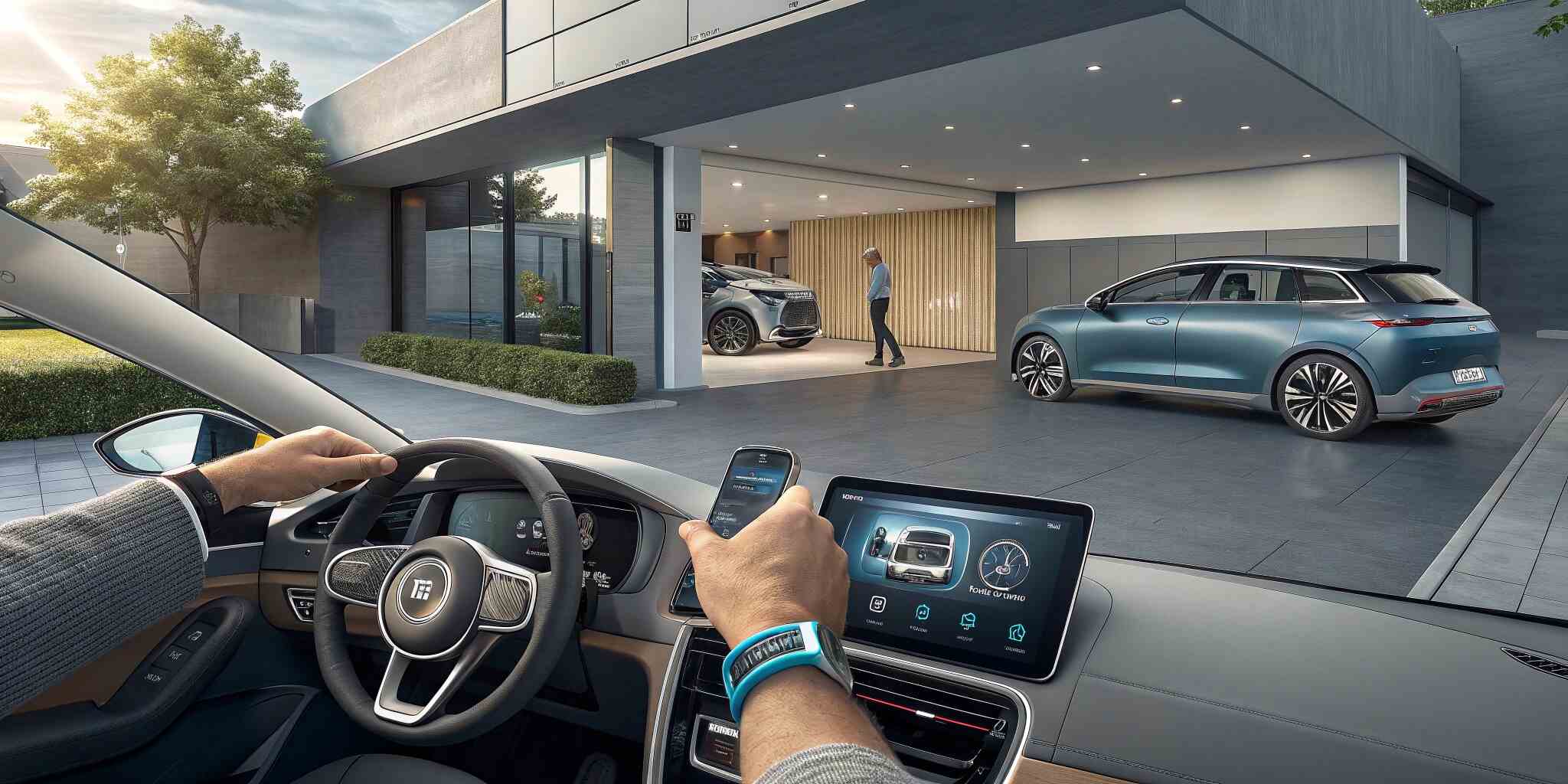
Smartphones are no longer just communication tools—they are the hub of modern digital ecosystems. From connected cars that use mobile apps for navigation and diagnostics to wearables that monitor health in real time, mobile technology is driving the future of convenience, safety, and personalization.
1. Mobile Tech in Smart Cars
Mobile technology is revolutionizing the automotive industry with connected car features that integrate smartphones directly into vehicles.
Key applications:
- Navigation & Infotainment: Google Maps, Apple CarPlay, and Android Auto provide real-time navigation, voice assistance, and media streaming.
- Remote Access: Mobile apps allow drivers to lock/unlock cars, check fuel or battery levels, and even pre-start climate control.
- Vehicle Diagnostics: Apps connected via Bluetooth or IoT sensors provide alerts for engine performance and maintenance needs.
- Safety Features: Mobile integration enhances driver safety with emergency calling, crash detection, and AI-powered lane assistance.
2. Mobile Tech in Wearables
Wearables, powered by smartphones, are making health and lifestyle tracking more accessible.
Popular use cases:
- Health Monitoring: Smartwatches track heart rate, blood oxygen levels, ECG, sleep cycles, and stress levels.
- Fitness Integration: Apps sync workouts, calories, and activity logs with smartphones for personalized insights.
- Payment & Authentication: Wearables enable contactless payments and secure logins using NFC and biometric sensors.
- Medical Wearables: Devices connected to smartphones allow doctors to monitor patients remotely in real time.
3. The Role of IoT and 5G
Both smart cars and wearables rely heavily on IoT (Internet of Things) and 5G connectivity.
- IoT: Creates networks where wearables and vehicles share data seamlessly with smartphones.
- 5G: Ensures ultra-fast, low-latency communication for real-time navigation, health monitoring, and autonomous driving support.
4. Benefits of Mobile Integration
- Seamless Connectivity: One ecosystem across phone, car, and wearable.
- Improved Safety: From crash alerts to health monitoring.
- Personalization: Cars adapt to driver preferences, while wearables tailor fitness insights.
- Convenience: Control devices remotely with just your smartphone.
5. Challenges and Concerns
- Data Privacy: Constant connectivity raises concerns over sensitive personal and location data.
- Cybersecurity Risks: Cars and wearables connected to smartphones can be targets for hackers.
- Battery Drain: Continuous mobile syncing reduces device battery life.
- Adoption Barriers: High costs of smart cars and advanced wearables may slow widespread usage.
Conclusion
Mobile technology is at the heart of innovations in smart cars and wearables, building a connected ecosystem that merges health, mobility, and convenience. While challenges like privacy and security remain, the integration of smartphones with IoT and 5G promises a future where cars, wearables, and devices work together seamlessly to enhance our lives.