Introduction
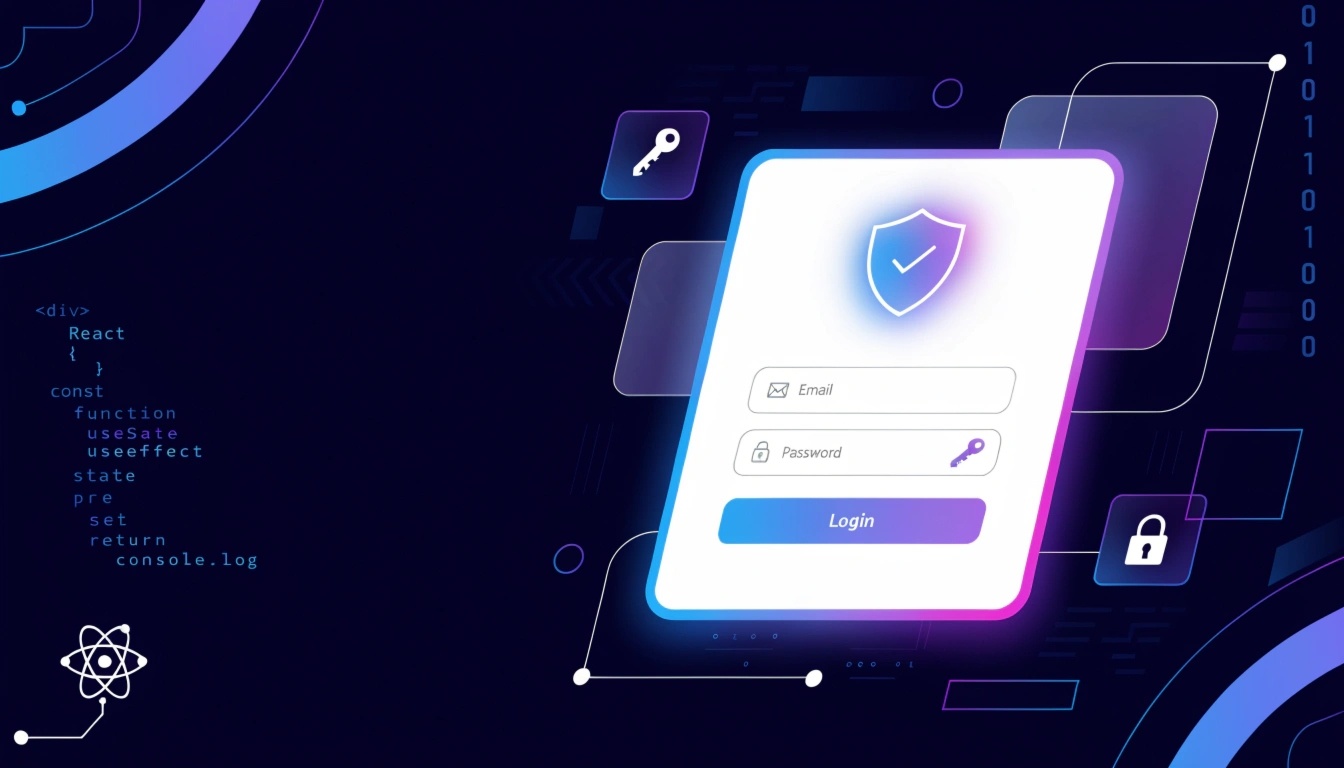
Authentication is a fundamental requirement for almost every web application. Whether users are logging into an e-commerce website, social media platform, SaaS product, or enterprise application, ensuring secure access is essential. React, being one of the most popular JavaScript libraries, provides flexibility for implementing various authentication approaches.
Modern authentication systems not only verify users but also provide a seamless experience while protecting sensitive information from cyber threats.
Why Authentication Matters
Authentication helps:
- Verify the identity of users.
- Prevent unauthorized access.
- Protect sensitive information.
- Improve trust and reliability.
- Support personalized user experiences.
Without proper authentication mechanisms, applications become vulnerable to data breaches and security attacks.
Common Authentication Methods in React
1. JWT (JSON Web Token) Authentication
JWT is widely used for token-based authentication in React applications.
How it works:
- User enters credentials.
- Backend verifies them.
- Server generates a JWT token.
- Token is sent to the client.
- React stores the token securely.
- Every API request includes the token for authorization.
Advantages
- Stateless authentication.
- Scalable architecture.
- Suitable for REST APIs.
- Works well with microservices.
2. OAuth 2.0 Authentication
OAuth allows users to log in using external providers such as:
- GitHub
- Microsoft
This reduces the need to manage passwords directly and improves user convenience.
Benefits include:
- Faster sign-in process.
- Enhanced security.
- Better user experience.
- Single Sign-On capabilities.
Firebase Authentication
Firebase Authentication is popular among React developers because of its simplicity and support for multiple sign-in methods.
Supported methods include:
- Email and password login.
- Google authentication.
- Phone number authentication.
- Anonymous authentication.
- Social media login providers.
Firebase handles many backend complexities, allowing developers to focus on application development.
Protected Routes in React
Not every page should be accessible to all users. Protected routes ensure that authenticated users can access restricted pages.
Examples include:
- Dashboard
- User Profile
- Order History
- Admin Panel
React Router can be combined with authentication states to restrict unauthorized access.
Example:
<Route
path="/dashboard"
element={
isAuthenticated ? <Dashboard /> : <Navigate to="/login" />
}
/>
This approach improves both security and user experience.
Role-Based Access Control (RBAC)
Authentication verifies users, while authorization determines what they are allowed to do.
Typical roles include:
Admin
- Manage users.
- Configure system settings.
- Access reports.
Editor
- Create and modify content.
User
- Access personal information.
- Use application features.
Implementing RBAC prevents unauthorized actions and enhances application security.
Refresh Tokens and Session Management
Access tokens generally expire after a certain period. Refresh tokens help generate new access tokens without forcing users to log in repeatedly.
Benefits include:
- Improved user experience.
- Reduced login frequency.
- Better session management.
- Enhanced security.
Many modern systems combine short-lived access tokens with refresh tokens for maximum protection.
Security Best Practices
Use HTTPS
Always encrypt communication between clients and servers.
Avoid Storing Sensitive Data in Local Storage
Consider using HTTP-only cookies whenever possible.
Enable Multi-Factor Authentication (MFA)
Adding another verification layer significantly improves security.
Validate Tokens on the Server
Never trust client-side validation alone.
Implement Token Expiration
Short-lived tokens reduce risks associated with token theft.
Use Environment Variables
Store API keys and secrets securely instead of hardcoding them.
Authentication Libraries for React
Popular libraries include:
Auth0
Provides enterprise-grade authentication and identity management.
Firebase Authentication
Simple and scalable solution for startups and small projects.
NextAuth.js
Ideal for Next.js applications with support for multiple providers.
Clerk
Offers pre-built authentication components and user management features.
Supabase Auth
Open-source alternative with excellent developer experience.
Future Trends
Authentication technology continues to evolve with:
- Passwordless authentication.
- Biometrics.
- Passkeys.
- WebAuthn.
- AI-powered fraud detection.
- Decentralized identity systems.
These technologies aim to improve both security and usability.
Conclusion
Modern authentication in React applications goes beyond simple username and password systems. JWT, OAuth 2.0, Firebase Authentication, protected routes, and role-based access control help developers create secure and scalable applications. By following security best practices and adopting emerging authentication technologies, businesses can provide reliable and seamless user experiences while protecting valuable user data.