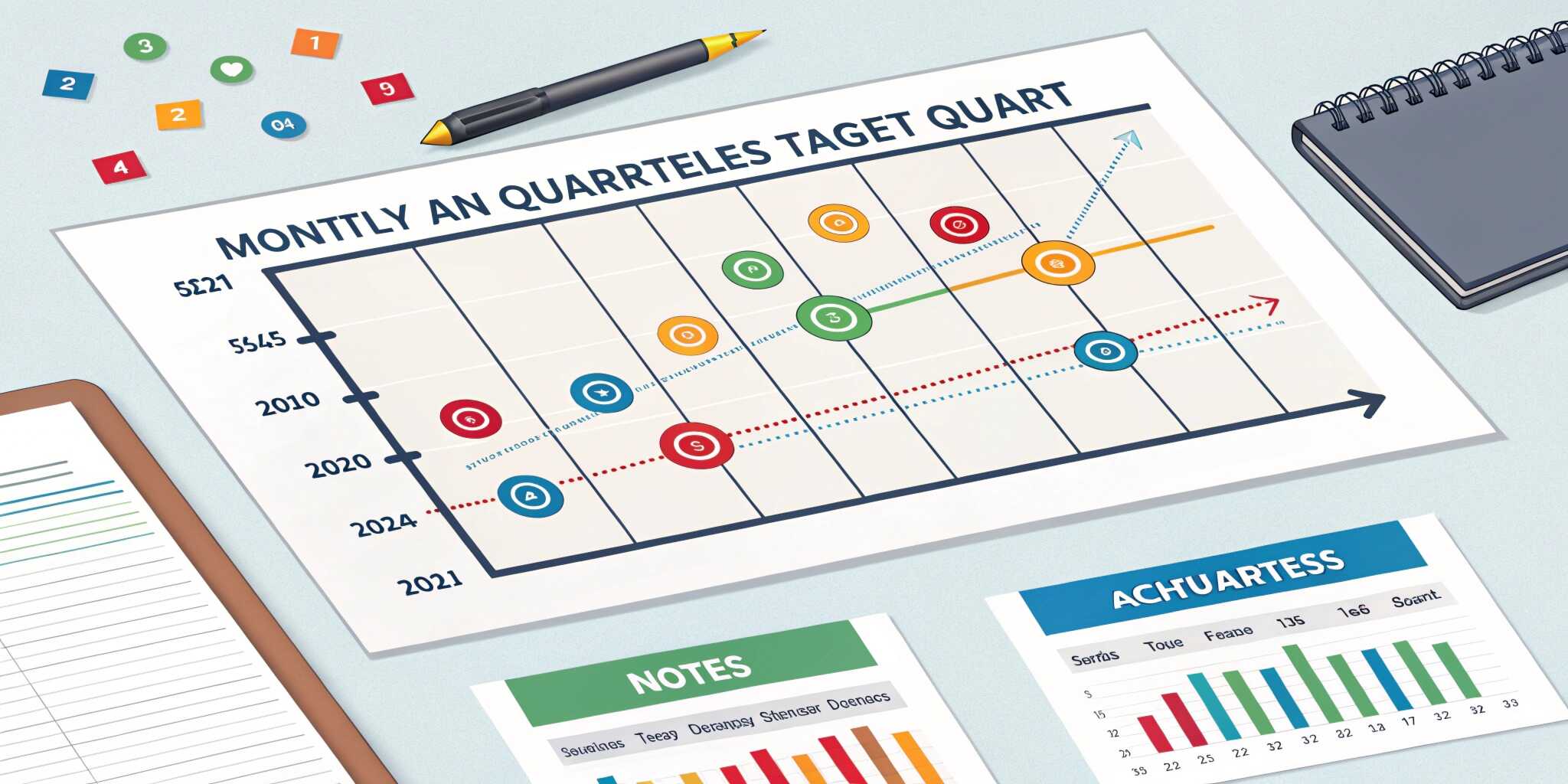
In the IT services industry, consistent revenue growth depends heavily on how well sales targets are planned and executed. Monthly and quarterly sales target planning provides structure, direction, and measurable goals for Business Development Executives and sales teams. Without a clear plan, sales efforts become reactive rather than strategic.
Importance of Sales Target Planning in IT
IT sales cycles are often complex and longer than traditional product sales. Deals may involve requirement analysis, technical validation, negotiations, and approvals. Proper target planning helps organizations align sales efforts with realistic timelines and capacity.
Sales targets also motivate teams, improve accountability, and enable leadership to forecast revenue accurately. Well-defined targets create clarity and focus across the organization.
Difference Between Monthly and Quarterly Targets
Monthly targets focus on short-term performance and activity tracking. They help teams stay disciplined with lead generation, follow-ups, and conversions.
Quarterly targets provide a broader strategic view. They account for long sales cycles, pipeline maturation, and revenue recognition. Quarterly planning allows management to adjust strategies based on market trends and performance patterns.
Balancing both ensures consistency without losing long-term direction.
Step 1: Analyze Historical Sales Data
Effective target planning starts with data. Analyze past performance, including deal size, conversion rates, average sales cycle, and seasonal trends.
Understanding what worked and what didn’t helps set realistic targets. Overly aggressive targets demotivate teams, while low targets limit growth.
Step 2: Define Revenue Goals and Business Objectives
Sales targets should align with company-wide goals such as expansion, profitability, or new service launches. For IT companies, revenue goals often vary across services like web development, mobile apps, or digital marketing.
Breaking down revenue goals by service line, geography, or client segment improves clarity and ownership.
Step 3: Build a Strong Sales Pipeline
Targets are achievable only if the pipeline supports them. Pipeline planning involves estimating the number of leads, qualified prospects, and conversions required to meet revenue goals.
For example, if the average conversion rate is 10 percent, the team must generate sufficient leads to meet the target. This data-driven approach ensures predictability.
Step 4: Set Individual and Team Targets
Once overall targets are defined, distribute them among teams or individuals based on experience, territory, and capacity.
New BDEs may focus more on lead generation, while senior members handle closures. Clear role-based targets improve efficiency and fairness.
Step 5: Track Key Sales KPIs
Monitoring KPIs ensures progress stays on track. Common IT sales KPIs include:
- Number of qualified leads
- Conversion rate
- Average deal value
- Sales cycle length
- Revenue achieved vs target
Regular performance reviews help identify gaps early.
Step 6: Review and Optimize Quarterly
Quarterly reviews are essential for course correction. Analyze what is working, where deals are stuck, and which services perform best.
Adjust targets, strategies, or resource allocation based on insights. Flexibility ensures targets remain achievable despite market changes.
Role of Tools in Sales Planning
CRM tools play a crucial role in target planning and tracking. They provide real-time pipeline visibility, performance dashboards, and forecasting insights.
Automation tools reduce manual work and allow sales teams to focus on high-value activities.
Common Mistakes in Sales Target Planning
One common mistake is ignoring pipeline reality. Another is setting targets without considering team capacity or market conditions.
Lack of regular review also weakens planning effectiveness. Sales planning should be dynamic, not static.
Conclusion
Monthly and quarterly sales target planning is a strategic discipline that drives predictable growth in IT companies. By combining data, clear objectives, and consistent tracking, organizations can empower their sales teams and achieve sustainable success. Well-planned targets turn ambition into achievement.