For decades, traditional computing systems have followed the principles of the Von Neumann architecture, where processing and memory are separated. While this approach has powered remarkable technological advancements, it faces increasing challenges when dealing with modern artificial intelligence workloads that require massive data processing and energy efficiency.
The human brain, however, operates very differently. It can process enormous amounts of information, learn continuously, adapt to new situations, and perform complex tasks while consuming only about 20 watts of power. Inspired by this extraordinary efficiency, researchers have developed the concept of neuromorphic computing.
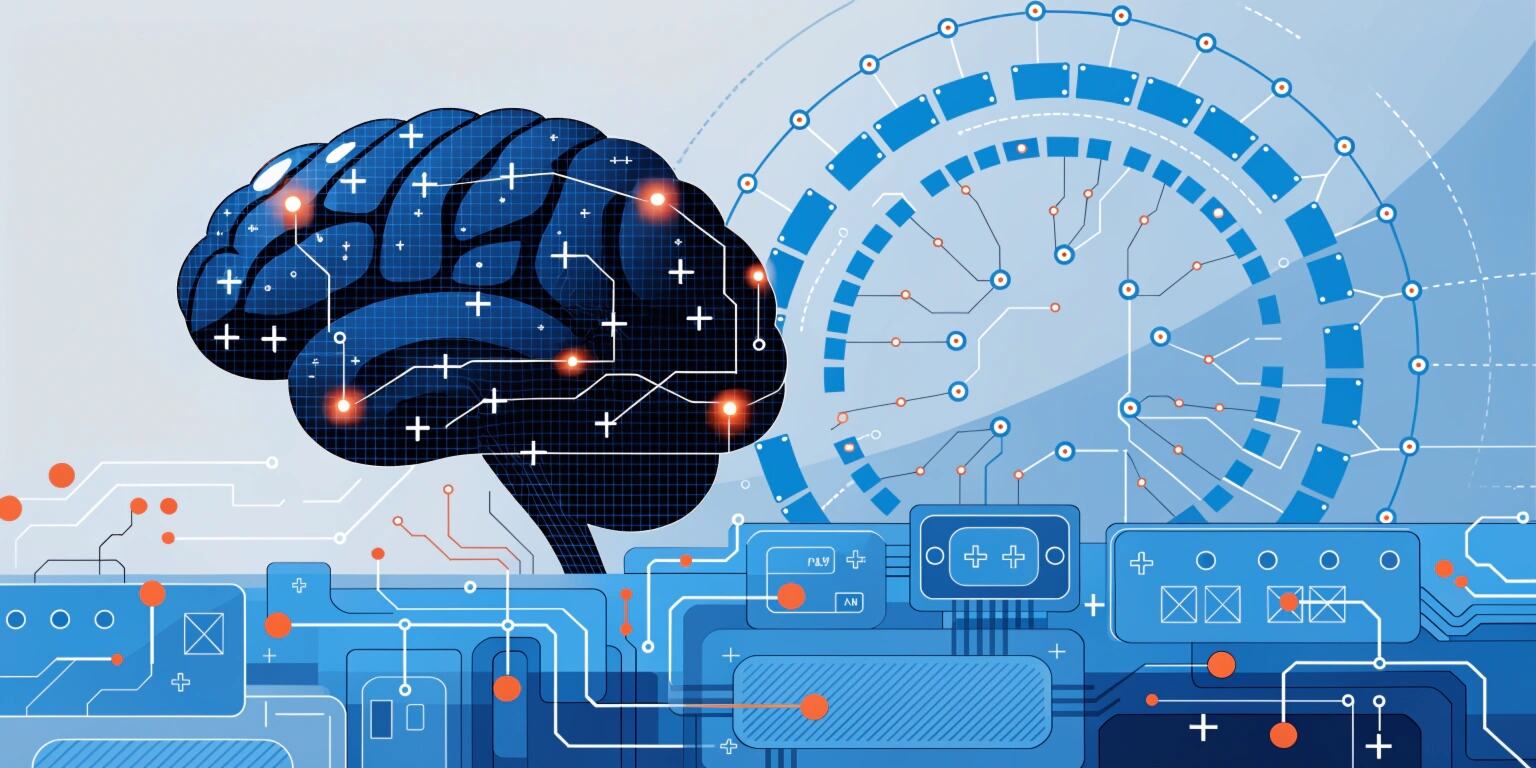
Neuromorphic computing seeks to replicate the brain's structure and operational principles using specialized hardware and software architectures. By mimicking biological neural systems, neuromorphic platforms promise faster, more efficient, and adaptive computing solutions that could redefine the future of artificial intelligence.
What Is Neuromorphic Computing?
Neuromorphic computing is a computing paradigm designed to emulate the structure and functionality of biological neural networks.
Unlike traditional computers that process instructions sequentially, neuromorphic systems use interconnected artificial neurons and synapses that communicate through electrical signals similar to those found in the human brain.
Key characteristics include:
- Parallel processing
- Event-driven computation
- Adaptive learning
- Energy efficiency
- Real-time decision making
These systems are particularly suited for AI applications that require continuous learning and rapid response times.
The Inspiration: The Human Brain
The human brain contains approximately:
- 86 billion neurons
- Trillions of synaptic connections
Neurons communicate through short electrical pulses known as spikes.
Key properties of brain-based computation include:
Massive Parallelism
Millions of neurons operate simultaneously.
Adaptive Learning
The brain continuously strengthens or weakens neural connections based on experience.
Low Energy Consumption
Despite its complexity, the brain consumes significantly less energy than modern AI data centers.
Neuromorphic computing aims to reproduce these capabilities using electronic components.
Core Components of Neuromorphic Systems
Artificial Neurons
Artificial neurons simulate biological neurons by receiving inputs, processing signals, and generating outputs.
Artificial Synapses
Synapses connect neurons and determine how signals are transmitted.
Their strength can change over time, enabling learning and adaptation.
Event-Driven Architecture
Traditional processors operate continuously.
Neuromorphic systems activate only when events occur, significantly reducing power consumption.
Parallel Processing Networks
Instead of executing tasks sequentially, neuromorphic chips process information simultaneously across thousands or millions of neural elements.
Spiking Neural Networks (SNNs)
One of the most important concepts in neuromorphic computing is the Spiking Neural Network (SNN).
Unlike traditional deep neural networks that use continuous numerical values, SNNs communicate through discrete spikes.
Benefits include:
- Improved biological realism
- Lower energy consumption
- Faster decision-making
- Event-based learning
Spiking Neural Networks serve as the foundation for many neuromorphic architectures.
How Neuromorphic Computing Differs from Traditional AI
FeatureTraditional AI SystemsNeuromorphic SystemsProcessing StyleSequential & ParallelHighly ParallelLearning ApproachTraining-BasedContinuous LearningEnergy UsageHighLowArchitectureVon NeumannBrain-InspiredResponse TimeFastReal-TimeAdaptabilityLimitedHighly Adaptive
These differences make neuromorphic systems attractive for applications where efficiency and responsiveness are critical.
Applications of Neuromorphic Computing
Artificial Intelligence
Neuromorphic hardware can improve AI performance by enabling faster and more efficient inference.
Potential applications include:
- Pattern recognition
- Speech processing
- Computer vision
- Natural language understanding
Robotics
Autonomous robots require real-time environmental awareness.
Neuromorphic processors help robots:
- Process sensor data rapidly
- Adapt to changing environments
- Make decisions efficiently
Edge Computing
Edge devices often operate under strict power constraints.
Neuromorphic systems provide:
- Low-latency processing
- Reduced cloud dependency
- Extended battery life
Autonomous Vehicles
Self-driving systems must analyze large volumes of sensor data instantly.
Brain-inspired architectures can support:
- Object detection
- Navigation
- Decision-making
- Collision avoidance
Healthcare
Neuromorphic technology may contribute to:
- Brain-computer interfaces
- Medical diagnostics
- Neural prosthetics
- Personalized treatment systems
Benefits of Neuromorphic Computing
Exceptional Energy Efficiency
One of the biggest advantages is dramatically lower power consumption compared to conventional AI hardware.
Real-Time Processing
Event-driven architectures enable immediate responses to changing inputs.
Continuous Learning
Neuromorphic systems can adapt dynamically without extensive retraining.
Scalability
Large neural networks can be implemented efficiently on specialized hardware.
Improved Fault Tolerance
Distributed neural architectures often remain functional even when individual components fail.
Challenges and Limitations
Despite its promise, neuromorphic computing faces several obstacles.
Software Ecosystem Maturity
Development tools and frameworks are still evolving.
Complex Programming Models
Designing applications for neuromorphic hardware requires specialized expertise.
Limited Commercial Adoption
Most neuromorphic systems remain in research and experimental stages.
Integration Challenges
Combining neuromorphic processors with traditional computing infrastructure can be complex.
Leading Neuromorphic Hardware Initiatives
Several organizations are actively advancing neuromorphic technology.
Examples include:
- IBM TrueNorth
- Intel Loihi
- BrainChip Akida
- Research platforms developed by universities and neuroscience laboratories
These systems demonstrate the growing interest in brain-inspired computing architectures.
Future Trends in Neuromorphic Computing
The future of neuromorphic computing is closely tied to advancements in AI and cognitive systems.
Emerging developments include:
Self-Learning Machines
Systems capable of adapting continuously without centralized training.
Neuromorphic Edge AI
Ultra-efficient AI processing directly on devices.
Brain-Computer Interfaces
More sophisticated interactions between humans and machines.
Cognitive Robotics
Robots capable of human-like perception and learning.
Hybrid AI Architectures
Combining traditional deep learning with neuromorphic systems for optimal performance.
Conclusion
Neuromorphic computing represents a significant shift in how intelligent systems are designed and implemented. By drawing inspiration from the human brain, it offers a path toward more adaptive, efficient, and scalable AI technologies.
While still an emerging field, neuromorphic computing has the potential to transform industries ranging from robotics and healthcare to autonomous vehicles and edge computing. As research progresses and hardware becomes more accessible, brain-inspired systems may become a cornerstone of next-generation artificial intelligence.
Organizations that explore neuromorphic computing today will be better prepared for a future where intelligent machines operate with unprecedented efficiency, responsiveness, and learning capabilities.