Main Content
The global transportation ecosystem is undergoing a massive transformation, driven by rapid advancements in next-generation mobility and battery technologies. As concerns around climate change, fuel dependency, and urban congestion grow, the demand for cleaner, smarter, and more efficient mobility solutions has never been higher. At the heart of this evolution lies battery innovation, powering everything from electric vehicles (EVs) to smart public transportation systems.
The Rise of Next-Gen Mobility
Next-generation mobility refers to a new wave of transportation solutions that prioritize sustainability, connectivity, and automation. Electric vehicles, shared mobility platforms, autonomous driving systems, and smart traffic infrastructure are reshaping how people and goods move. Unlike traditional transportation models, next-gen mobility focuses on reducing carbon emissions, improving energy efficiency, and delivering seamless user experiences.
Electric mobility is one of the most visible pillars of this shift. Governments and automotive manufacturers worldwide are investing heavily in EV adoption through subsidies, infrastructure development, and stricter emission norms. As a result, electric cars, bikes, buses, and even trucks are becoming increasingly common on roads.
Battery Technology: The Backbone of Modern Mobility
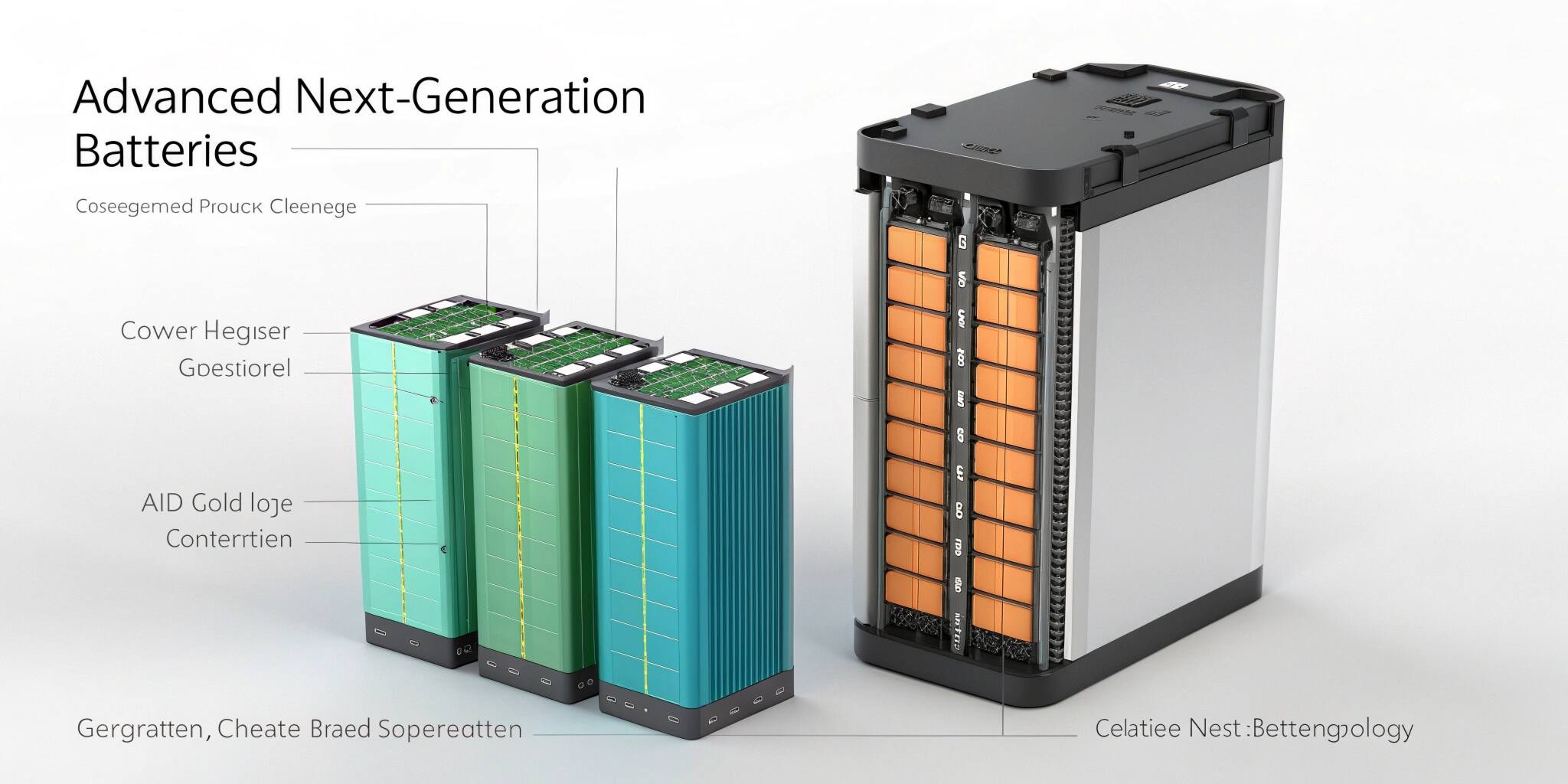
Batteries are the backbone of next-gen mobility. Without reliable, efficient, and long-lasting energy storage, electric transportation would not be viable at scale. Over the past decade, lithium-ion batteries have dominated the market due to their high energy density, relatively long lifespan, and decreasing costs.
However, innovation is moving fast. Solid-state batteries are emerging as a promising alternative, offering higher energy density, faster charging, improved safety, and longer life cycles. Unlike conventional lithium-ion batteries, solid-state batteries replace liquid electrolytes with solid materials, significantly reducing the risk of overheating and fires.
Other developments include sodium-ion batteries, advanced lithium-iron-phosphate (LFP) cells, and battery recycling technologies. These innovations aim to reduce dependency on rare materials, lower production costs, and improve sustainability across the battery lifecycle.
Smart Charging and Energy Management
As EV adoption increases, smart charging infrastructure becomes essential. Next-gen mobility is not just about vehicles—it’s about ecosystems. Smart charging stations equipped with IoT and AI capabilities can optimize charging schedules based on energy demand, grid load, and renewable energy availability.
Vehicle-to-Grid (V2G) technology is another breakthrough, allowing EVs to feed excess energy back into the power grid. This transforms vehicles into mobile energy storage units, helping stabilize grids and promote renewable energy usage. AI-driven battery management systems also play a crucial role by predicting battery health, optimizing performance, and extending battery lifespan.
Sustainability and Environmental Impact
One of the strongest drivers behind next-gen mobility and battery innovation is sustainability. Transportation accounts for a significant portion of global carbon emissions. Transitioning to electric and smart mobility solutions helps reduce greenhouse gas emissions, air pollution, and noise levels in urban areas.
Battery manufacturers are also focusing on eco-friendly production and recycling processes. Closed-loop battery recycling systems recover valuable materials like lithium, cobalt, and nickel, reducing environmental impact and resource dependency. As renewable energy sources such as solar and wind integrate with EV charging networks, the overall carbon footprint of transportation continues to decline.
Challenges and the Road Ahead
Despite rapid progress, challenges remain. High initial costs, charging infrastructure gaps, battery disposal concerns, and range anxiety still affect mass adoption. However, continuous R&D, supportive government policies, and private-sector innovation are addressing these issues at a steady pace.
In the coming years, we can expect batteries with ultra-fast charging, longer ranges, and lower costs. Combined with autonomous driving, AI-powered mobility platforms, and smart cities, next-gen mobility will redefine how societies move and connect.
Conclusion
Next-Gen Mobility & Batteries are more than technological trends—they represent a fundamental shift toward a cleaner, smarter, and more sustainable future. As battery technology evolves and mobility ecosystems mature, transportation will become more efficient, accessible, and environmentally responsible. Businesses, governments, and consumers who embrace this transformation today will be the ones driving tomorrow’s mobility revolution.