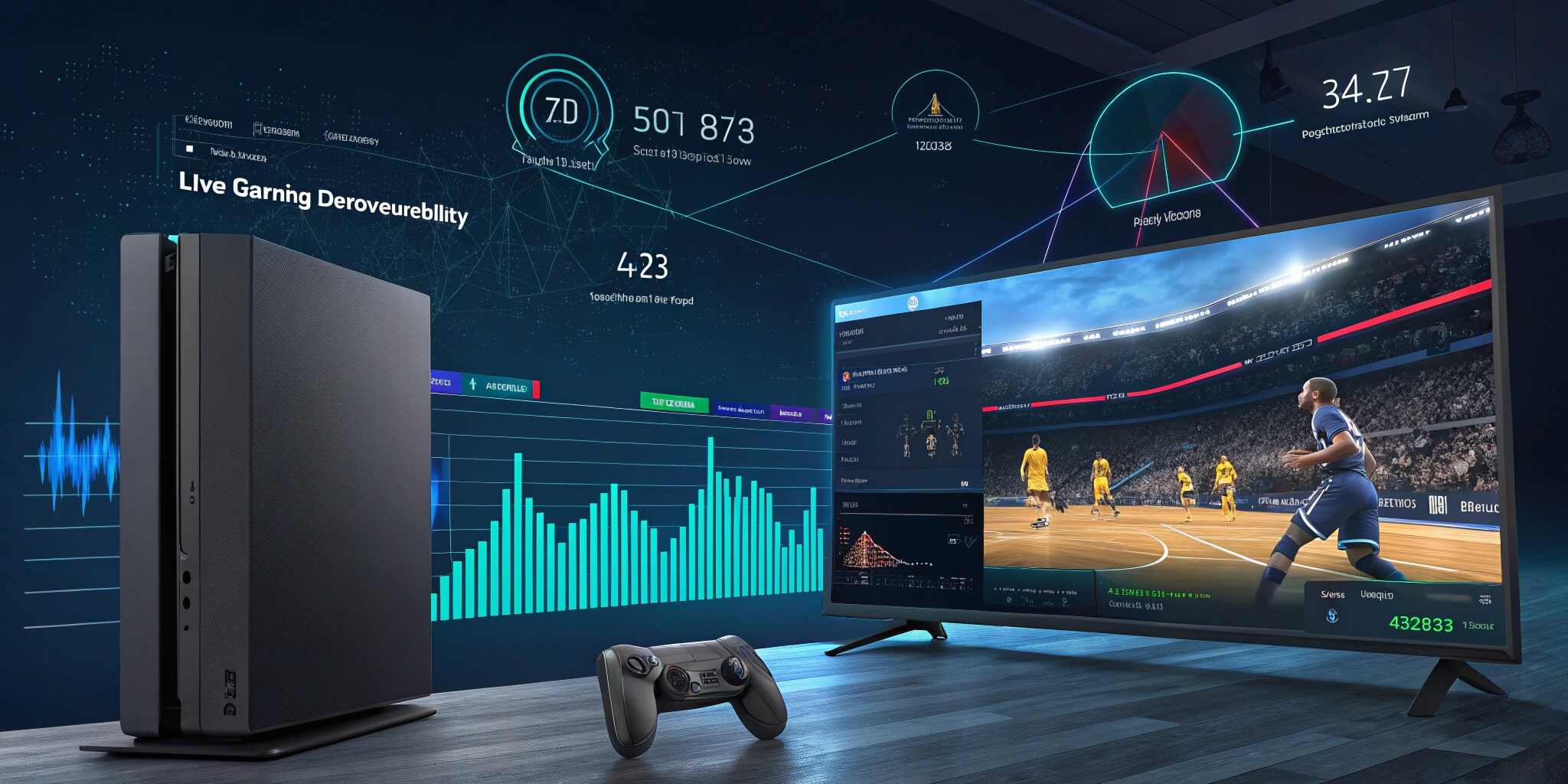
Main Content :-
In today’s highly competitive gaming industry, delivering a flawless and engaging player experience is critical. Live games—especially multiplayer and online titles—require continuous monitoring, instant feedback loops, and rapid issue resolution. This is where observability and telemetry come into play.
What is Observability in Live Games?
Observability refers to the ability to understand the internal state of a system by analyzing its outputs. In gaming, this includes monitoring servers, APIs, player interactions, and system performance in real time.
Unlike traditional monitoring, observability provides deep insights into why an issue occurs, not just what went wrong. It leverages logs, metrics, and traces to give developers a complete picture of the game environment.
What is Telemetry in Gaming?
Telemetry is the process of collecting data from the game and sending it to centralized systems for analysis. This includes:
- Player actions (movement, clicks, purchases)
- Game performance metrics (FPS, latency, load time)
- System errors and crashes
- Network performance
Telemetry helps developers understand player behavior and optimize gameplay accordingly.
Why Observability & Telemetry Matter
1. Real-Time Issue Detection
Live games can’t afford downtime. Observability tools detect anomalies such as server overloads, latency spikes, or crashes instantly, allowing teams to respond before players are affected.
2. Enhanced Player Experience
Telemetry data reveals how players interact with the game. Developers can identify pain points, difficulty spikes, or drop-off areas and improve game design accordingly.
3. Performance Optimization
By analyzing metrics like frame rate, memory usage, and response time, developers can optimize performance across devices and platforms.
4. Faster Debugging
With distributed tracing and detailed logs, engineers can quickly pinpoint the root cause of issues, reducing downtime and improving reliability.
5. Data-Driven Decisions
Game studios can use telemetry insights to make informed decisions about updates, features, and monetization strategies.
Key Components of Observability in Games
1. Metrics
Metrics are numerical data points such as CPU usage, server response time, and player concurrency. They provide a high-level overview of system health.
2. Logs
Logs capture detailed event data, including errors, warnings, and system events. They are essential for debugging.
3. Traces
Tracing tracks the journey of a request across multiple services, helping identify bottlenecks in distributed systems.
4. Alerts
Automated alerts notify teams when anomalies occur, enabling quick responses to critical issues.
Implementing Telemetry in Live Games
To effectively implement telemetry, developers should:
- Define Key Events: Identify which player actions and system events to track.
- Use Lightweight Data Collection: Ensure telemetry does not impact game performance.
- Centralize Data Storage: Use scalable cloud-based systems for data processing.
- Ensure Data Privacy: Comply with regulations and protect user data.
Popular Tools & Technologies
Several tools help implement observability and telemetry in live games:
- GameAnalytics – Player behavior tracking and retention analysis
- Firebase Analytics – Real-time analytics and crash reporting
- Datadog – Infrastructure monitoring and observability
- Prometheus & Grafana – Metrics collection and visualization
These tools enable developers to build robust monitoring systems and gain actionable insights.
Challenges in Observability & Telemetry
Despite their benefits, implementing these systems comes with challenges:
- High Data Volume: Games generate massive amounts of data that must be processed efficiently
- Latency Sensitivity: Data collection must not impact gameplay
- Complex Architectures: Modern games use microservices, making tracing more difficult
- Cost Management: Storing and analyzing data can be expensive
Best Practices
To maximize the benefits of observability and telemetry:
- Track only meaningful data to reduce noise
- Use dashboards for real-time visualization
- Set up proactive alerts
- Continuously refine metrics and KPIs
- Integrate observability into the development lifecycle (DevOps)
Future of Observability in Gaming
With the rise of AI and machine learning, observability is becoming more intelligent. Predictive analytics can now forecast server issues or player churn before they happen. This allows game developers to act proactively rather than reactively.
Additionally, real-time personalization powered by telemetry is transforming player engagement, offering customized experiences based on individual behavior.